
Beautiful Plants For Your Interior
Beautiful Plants For Your Interior
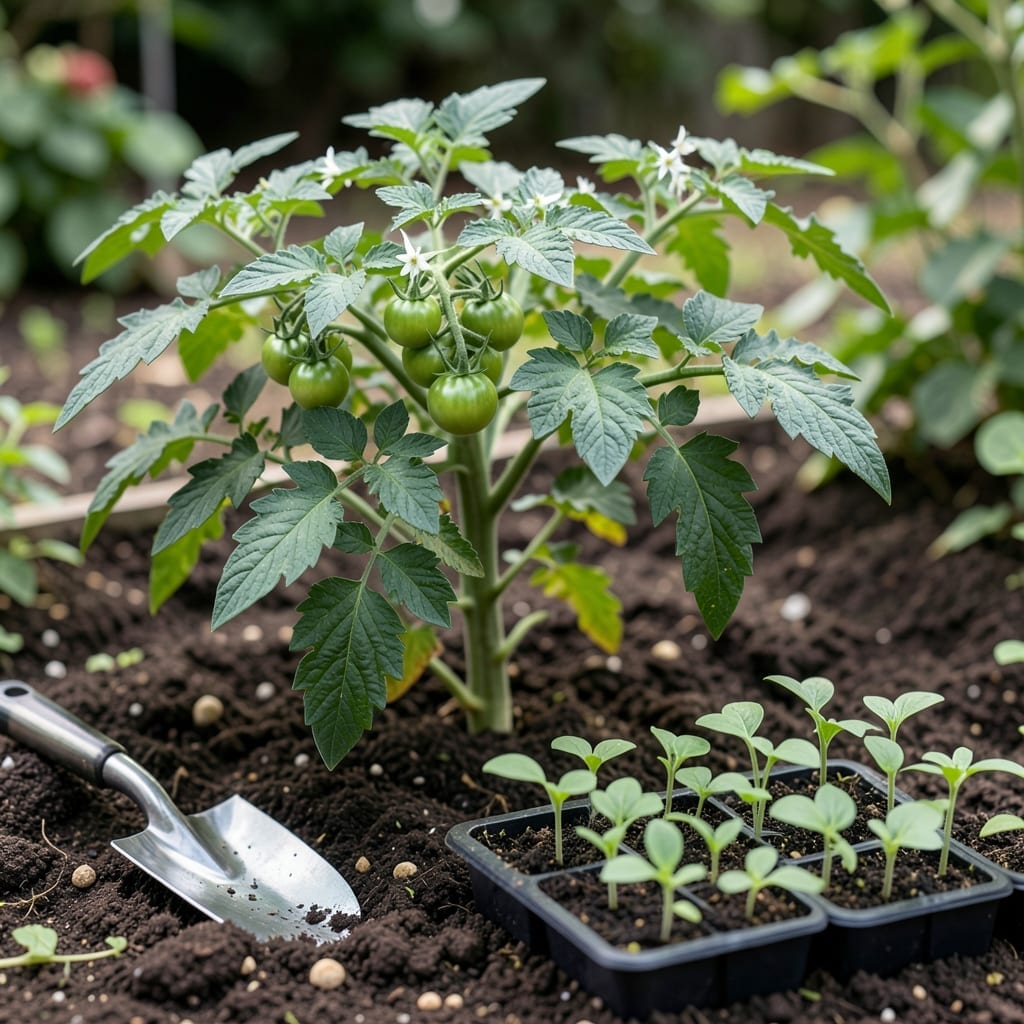
Timing is everything when planting Vegetables 🥕 in Ohio. Plant too early and frost may kill your seedlings; plant too late and your harvest may be stunted.
This guide helps you nail the perfect window for a bountiful garden. Whether you’re a beginner or seasoned gardener, knowing when to start can make or break your season.
I’ll walk you through the best months for planting in zones 6a-6b, so you can maximize your yield. From cool-season crops to warm-season favorites, we’ve got you covered.
Discover how to work with Ohio’s unique climate and frost dates to create a thriving vegetable garden that produces from spring to fall.
Ohio’s growing season varies by region, but most areas fall in USDA zones 5-6. This means your last frost date typically ranges from April 15 to May 1, while the first frost arrives October 15-31. These dates are crucial for timing your plantings.
I always recommend checking your local frost dates since Northern Ohio tends to have a shorter season than Southern Ohio. This difference can shift planting windows by 2-3 weeks in either direction.
| Month | Cool-Season Veggies | Warm-Season Veggies |
|---|---|---|
| March | Peas, Spinach, Lettuce | – |
| April | Radishes, Carrots, Kale | Start Indoors: Tomatoes, Peppers |
| May | Beets, Cabbage | Transplant: Tomatoes, Cucumbers |
| June | – | Beans, Corn, Squash |
| August | Lettuce, Spinach | – |
| September | Radishes, Kale | – |
For cool-season vegetables, I start planting as soon as the soil is workable in early spring. These hardy plants can often tolerate light frosts, making them perfect for Ohio’s unpredictable springs.
Warm-season crops like tomatoes and peppers need to wait until after the last frost date. I’ve found that starting these indoors 6-8 weeks before transplanting gives them a strong head start.
Don’t forget about succession planting! For crops like lettuce and radishes, I plant new seeds every 2-3 weeks to ensure a continuous harvest throughout the season.
In Northern Ohio, where the season is shorter, I focus on fast-maturing varieties. For example, ‘Early Girl’ tomatoes do well here because they produce fruit in just 50-60 days.
Southern Ohio gardeners have more flexibility. You can often plant warm-season crops a bit earlier and extend the harvest into late October with proper care and row covers.
Remember that soil temperature matters as much as air temperature. I use a soil thermometer to ensure it’s at least 60°F for most warm-season crops before planting.
For the best results, I recommend keeping a garden journal to track your planting dates and harvest times. This helps you refine your schedule each year based on your specific microclimate.
With Ohio’s 165 frost-free days on average, you have plenty of time to grow a diverse vegetable garden if you plan carefully 🌱
Ohio’s USDA zones 6a-6b offer distinct growing windows for different vegetable types. I find cool-season crops thrive in early spring and late summer, while warm-season varieties need the heat of summer to prosper.
In my experience, knowing which category your veggies fall into is crucial for timing. Cool-season plants like lettuce and peas can handle light frosts, making them perfect for Ohio’s unpredictable springs.
For warm-season vegetables, I always wait until after Ohio’s last frost date (typically April 15-May 1). Tomatoes and peppers especially need that soil warmth to grow properly.
I’ve noticed that succession planting works wonders in Ohio. Plant radishes every 2 weeks from March to September for continuous harvests. This technique keeps my garden productive all season long.
Spinach and kale are my go-to cool-season stars. They handle Ohio’s chilly springs beautifully and often survive light winter frosts with protection. I love their resilience!
Remember, soil temperature is just as important as air temperature. Use a soil thermometer to ensure conditions are right, especially for heat-loving plants like eggplant. 🌱