
Beautiful Plants For Your Interior
Beautiful Plants For Your Interior
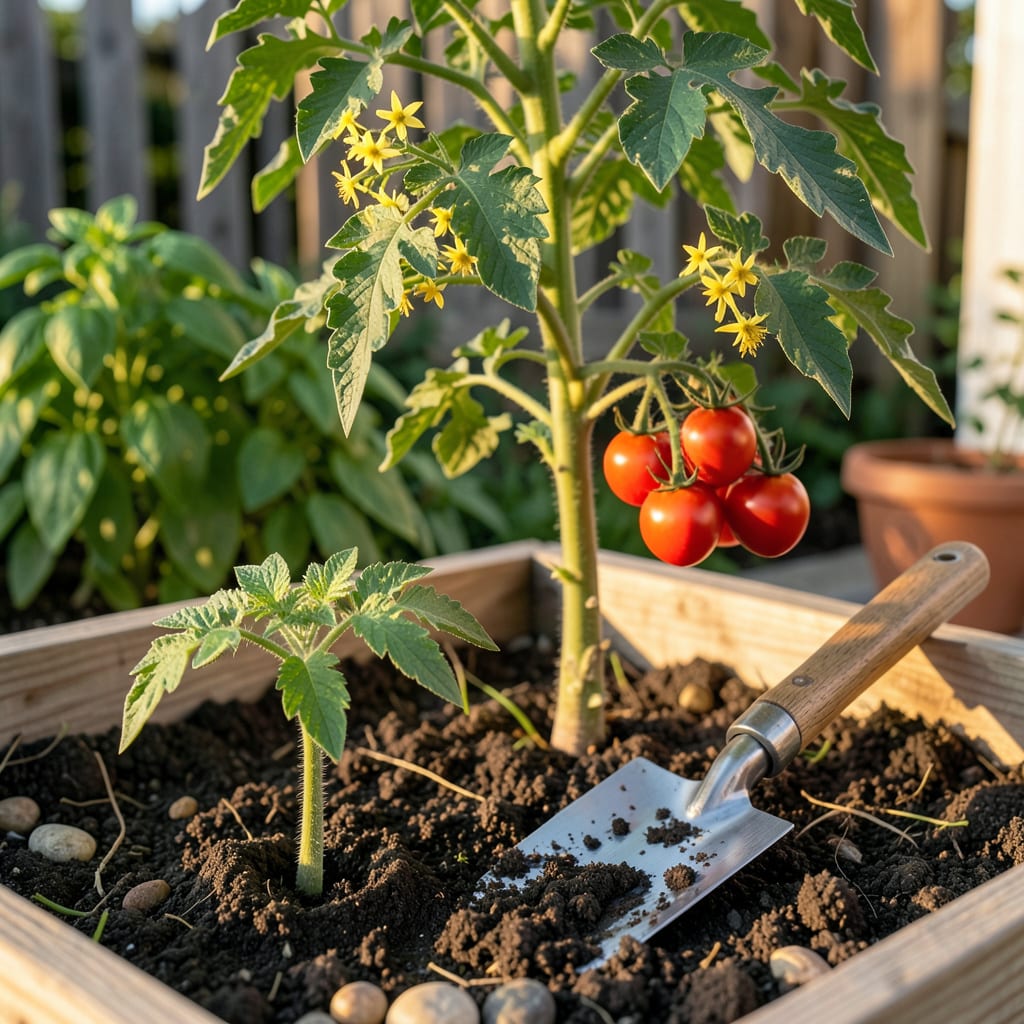
Texas gardeners know the struggle—plant your tomatoes too early, and a late frost could wipe out your crop. Wait too long, and the scorching summer sun will fry your seedlings before they even get started. The difference between a thriving garden and a disappointing one often comes down to just a few weeks.
After years of testing and tweaking, I’ve nailed down the perfect planting windows for Texas’s unique climate. Whether you’re in the Panhandle or the Gulf Coast, I’ll show you exactly when to get those seeds in the ground for a harvest that’ll make your neighbors jealous. Let’s get growing.
Texas spans four distinct growing regions, each with unique climate challenges. What works in Houston’s humid Gulf Coast won’t fly in Lubbock’s dry Panhandle. I’ve spent years adjusting my planting calendar for each zone—here’s how to tailor yours.
The last frost date is your golden rule. In North Texas, it’s around March 15, while South Texas gardeners can plant as early as February 1. Below is my region-specific guide to keep you on track. 🌱
Pro Tip: Use soil thermometers to confirm temperatures—60°F+ for tomatoes, 40°F+ for lettuce. 🌡️
For North Texas, focus on frost-hardy crops like kale and garlic in early spring. In South Texas, you can grow tomatoes year-round with frost protection. I’ve had success with ‘Tycoon’ tomatoes in winter there.
Central Texas gardeners get the best of both worlds—mild winters and long summers. Try ‘Texas Early’ onions in fall for a spring harvest. Just watch for late freezes in Austin; row covers are lifesavers.
The Gulf Coast’s humidity is perfect for okra and sweet potatoes, but fungal diseases can be an issue. Space plants for airflow and use drip irrigation to keep leaves dry. I lost a crop to powdery mildew before learning this lesson!
No matter your region, soil prep is critical. Texas soils vary from clay-heavy (Dallas) to sandy (Houston). Amend with compost and test pH—most veggies prefer 6.0–7.0. A simple $10 test kit saves headaches later.
For fall planting, count backward from your first frost date. In North Texas, sow broccoli by August 1 for a November harvest. Use shade cloth if temps stay above 90°F to protect seedlings.
Remember: microclimates matter. Urban areas like San Antonio stay warmer than rural spots. Track temps in your yard with a cheap thermometer—it’s more accurate than weather apps. Happy planting! 🪴
Texas’s long growing season means you can harvest vegetables nearly year-round—if you plant at the right time. The key is knowing which cool-season crops thrive in winter and which heat-lovers can handle summer’s intensity. I’ve broken it down month by month so you’ll always have something growing.
Don’t let the Texas heat intimidate you. With the right varieties, like ‘Celebrity’ tomatoes or ‘Black Diamond’ watermelons, you can outsmart the climate. Below is my go-to planting calendar, tested in gardens from Amarillo to Brownsville. Use it to keep your garden productive all year.
Pro Tip: For fall planting, start seeds indoors in August to get a head start on cooler weather. 🌱
Notice how June, July, and August are missing? That’s intentional. Texas summers are brutal for most vegetables, but you can still grow okra, peppers, and sweet potatoes if you provide afternoon shade and consistent water. I’ve had great success with ‘Jalapeño M’ peppers in the heat.
For winter gardening, focus on leafy greens and root vegetables. Varieties like ‘Winterbor’ kale and ‘Bolero’ carrots handle Texas winters beautifully. Just
If you’re in South Texas, you can push planting dates earlier by 2-3 weeks. In North Texas, delay by 2 weeks to avoid late frosts. Always check your local frost dates—they’re your best guide for timing. I use the Texas A&M AgriLife Extension tool for precise data.
Want to extend your season? Try row covers for frost protection or shade cloth for summer crops. A little extra effort means you can grow tomatoes in fall or spinach in winter—both are game-changers for Texas gardeners. Happy planting! 🪴
Even experienced Texas gardeners can mess up planting schedules. I’ve made these mistakes myself—like planting tomatoes too early or ignoring microclimates—and learned the hard way. Let’s save you the heartache by avoiding these five critical errors.
First up: ignoring your frost dates. Texas spans multiple zones, so a March 15 last frost in Dallas won’t apply in Houston. Always check your local frost dates—they’re your planting bible. I use the Texas A&M AgriLife tool for precision.
Quick Fix: Use shade cloth for summer crops and row covers for frost protection. A $20 investment saves weeks of work! 🌡️
Another biggie: planting the wrong varieties. Not all tomatoes handle Texas heat. Stick with heat-tolerant varieties like ‘Celebrity’ or ‘Heatmaster’. I switched to these and saw 30% better yields in my Dallas garden.
Don’t forget succession planting! Instead of planting all your bush beans at once, stagger plantings every 2 weeks for continuous harvests. This trick works for radishes, lettuce, and carrots too. I get 3x more produce this way.
Lastly, watering mistakes wreck havoc. Texas summers demand deep, infrequent watering (1–2 inches per week). Use a soaker hose to target roots and avoid evaporation. I set mine on a timer for 6 AM—cooler temps mean less waste.
Fix these mistakes, and you’ll dodge most Texas gardening disasters. For extra insurance, keep a garden journal to track what works (and what flops) in your microclimate. Trust me, future you will thank present you! 🪴
Use the Texas A&M AgriLife Extension’s interactive planting guide or enter your ZIP code on their website. Local county extension offices also provide customized calendars based on your specific frost dates and microclimate.
Only in South Texas with frost protection. In North/Central Texas, stick to spring (Feb–May) and fall (Aug–Sep) plantings. Summer heat above 95°F stops fruit set, while winter frosts kill plants.
Planting cool-season crops (like lettuce) too late into spring. They bolt in 80°F+ temps. Always check soil temperature—40–75°F is ideal for greens, 60°F+ for tomatoes.
Monitor 10-day forecasts and use shade cloth (30–50%) for summer crops. For unexpected freezes, keep row covers or old blankets handy. In drought, prioritize deep watering (1–2 inches weekly) at dawn.
Yes! Okra, peppers, sweet potatoes, and Black Diamond watermelons love the heat. Stick to drought-tolerant varieties like ‘Jalapeño M’ peppers or ‘Cowhorn’ okra. Mulch heavily to retain moisture.
