
Beautiful Plants For Your Interior
Beautiful Plants For Your Interior
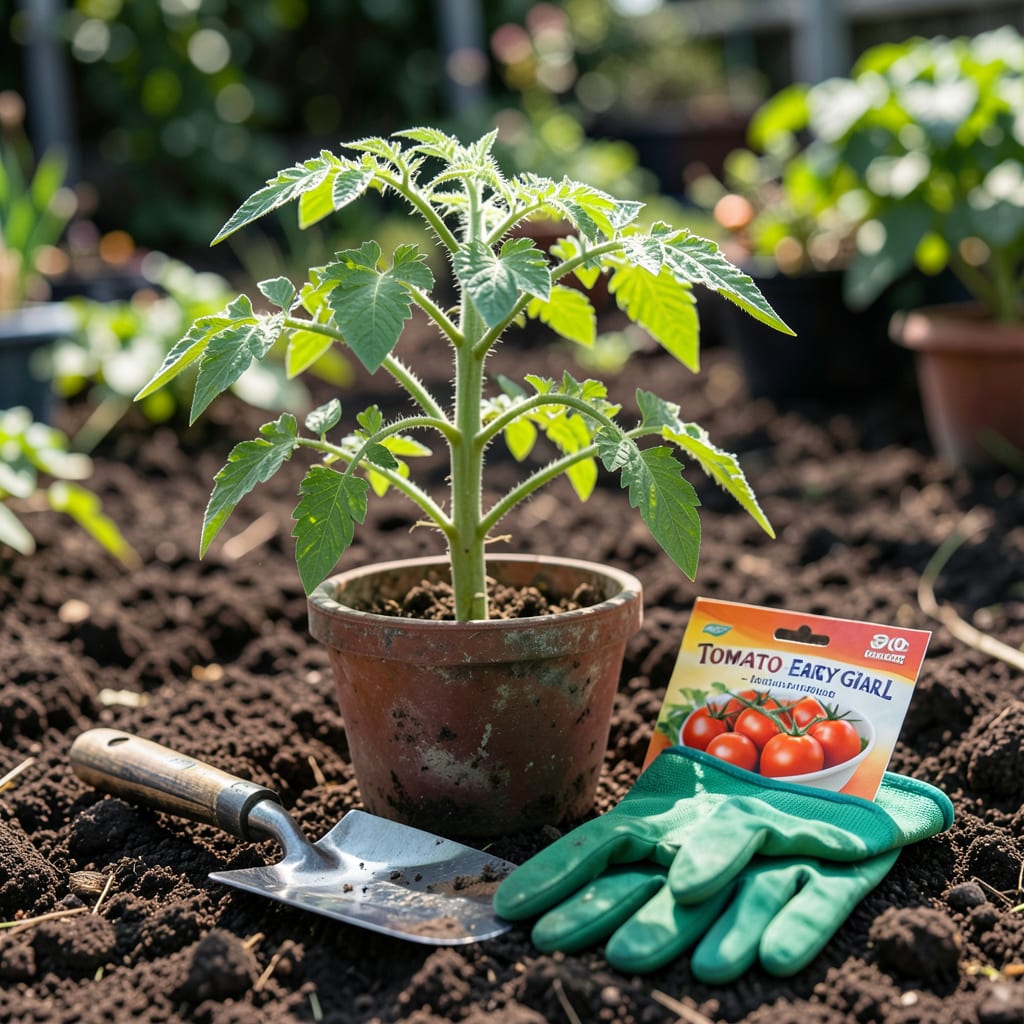
Growing Vegetables 🥗 in Ohio can be rewarding, but timing is everything. The state’s diverse climate means planting times vary across regions, making it crucial to understand when to start.
In Ohio’s USDA Zone 6, the ideal planting windows are April-May and September-October. Understanding these seasonal patterns is key to a successful harvest. Let’s explore the best times to plant and how to make the most of your garden.
Understanding Ohio’s vegetable planting calendar is crucial for a successful harvest. The state’s diverse climate means planting times vary across regions. In Ohio’s USDA Zone 6, gardeners can grow a variety of vegetables throughout the year by following a seasonal planting schedule 🌱.
The ideal planting times in Ohio are typically during spring (April-May) and fall (September-October). These periods offer optimal conditions for most vegetables. Let’s break down the planting calendar by season to maximize your garden’s potential.
Ohio’s last frost date varies by region, typically falling between April 10 and May 1. Gardeners should wait until after this date to plant warm-season vegetables. For cool-season crops, planting can begin as early as 4-6 weeks before the last frost date 🌼.
Spring planting is ideal for vegetables like broccoli, cabbage, and carrots. These cool-season crops thrive in Ohio’s spring climate. In contrast, warm-season crops like tomatoes and peppers should be planted after the last frost when soil temperatures have warmed to at least 60°F 🔥.
The fall planting season is another excellent time for cool-season crops. Vegetables like Brussels sprouts, kale, and carrots can be planted in late summer for a fall harvest. This season often provides more consistent moisture and cooler temperatures, which can lead to better flavor and fewer pests 🌿.
To ensure a continuous harvest, consider using succession planting techniques. This involves planting small batches of seeds every 1-3 weeks, depending on the crop. This method is particularly effective for crops like lettuce, radishes, and green beans, providing a steady supply throughout the growing season 📆.
Ohio gardeners should also be aware of the first frost date, which typically occurs in mid-to-late October. Planning your planting schedule around this date is crucial for maximizing your fall harvest. Count back the maturation period for your chosen crops to ensure they’re ready before the first frost ❄️.
By following Ohio’s vegetable planting calendar and understanding the specific needs of different crops, gardeners can enjoy a bountiful harvest throughout the growing season. Whether you’re planting in spring, summer, or fall, careful planning and timing are key to success 🌻.
For more specific planting dates, consider consulting local gardening resources or using a gardening calendar tailored to your specific region within Ohio. This can help you fine-tune your planting schedule based on local climate conditions and microclimates 📅.
Additionally, be sure to check the soil temperature before planting. Different vegetables have optimal soil temperatures for germination and growth. Using a soil thermometer can help you make informed decisions about when to plant 🌡️.
By combining knowledge of Ohio’s planting calendar with good gardening practices, you can create a thriving vegetable garden that provides fresh produce throughout the growing season. Happy gardening! 🌼
Ohio’s diverse climate means vegetable planting times vary across different regions. Understanding these regional differences is crucial for a successful harvest. The state’s geography creates various microclimates that affect planting schedules 🌿.
Northern Ohio typically experiences a shorter growing season compared to the southern regions. Gardeners in northern Ohio should be prepared for later spring planting and earlier fall frosts. In contrast, southern Ohio has a longer growing season, allowing for earlier spring planting and later fall harvests 🌻.
When planning your vegetable garden in Ohio, it’s essential to consider the USDA Hardiness Zone. Most of Ohio falls within Zone 6, but some areas in the south are classified as Zone 7. This information helps determine which plants are most likely to thrive in your specific area 🌟.
Soil temperature is another critical factor when planting vegetables in Ohio. Different crops have optimal soil temperatures for germination and growth. Using a soil thermometer can help you make informed decisions about when to plant various vegetables 🌡️.
By understanding these regional considerations and adjusting your planting schedule accordingly, you can maximize your vegetable garden’s potential in Ohio. Whether you’re in the north or south, careful planning based on local climate conditions is key to a bountiful harvest 🎯.
For more specific guidance tailored to your exact location within Ohio, consider consulting local gardening resources or using a region-specific gardening calendar. These tools can provide more detailed information about microclimates and local weather patterns 📅.
Additionally, be aware of microclimates within your specific gardening area. Factors such as elevation, proximity to large bodies of water, and urban heat islands can all impact local growing conditions. Understanding these microclimates can help you fine-tune your planting schedule for optimal results 🌿.
By combining knowledge of regional considerations with good gardening practices, Ohio gardeners can create thriving vegetable gardens that provide fresh produce throughout the growing season. Happy gardening! 🌼
Successful vegetable gardening in Ohio requires careful planning and attention to the state’s variable climate. Understanding the local growing conditions is crucial for maximizing your harvest 🌿.
One of the most critical factors in Ohio’s climate is the last frost date, which varies by region. Gardeners should wait until after this date to plant warm-season vegetables like tomatoes and peppers. For cool-season crops, planting can begin as early as 4-6 weeks before the last frost date ❄️.
Check soil temperature before planting. Most vegetables prefer soil between 60-85°F for optimal growth. Use a soil thermometer to ensure ideal conditions 🌡️.
Soil preparation is another key aspect of successful vegetable gardening in Ohio. The state’s soils vary widely, from clay to sandy loams. Adding organic matter like compost can improve soil structure and fertility, helping your vegetables thrive 🌱.
Frost protection is essential for Ohio gardeners, especially during unexpected late spring or early fall frosts. Techniques like using row covers or frost blankets can help protect your plants from damage ❄️.
Water management is also crucial in Ohio’s variable climate. Vegetables need consistent moisture, especially when producing fruit. Consider using drip irrigation or soaker hoses to deliver water directly to the roots, reducing evaporation and runoff 💧.
By following these best practices and staying attuned to Ohio’s climate conditions, you can enjoy a bountiful and healthy vegetable garden throughout the growing season. Happy gardening! 🌼
For more specific advice tailored to your region within Ohio, consider consulting local gardening resources or using a region-specific gardening calendar. These tools can provide more detailed information about microclimates and local weather patterns 📅.
Additionally, be aware of common pests and diseases that can affect vegetable gardens in Ohio. Using integrated pest management techniques can help minimize damage and reduce the need for chemical interventions 🐜.
By combining these gardening tips with a good understanding of Ohio’s climate and growing conditions, you’ll be well on your way to a successful and productive vegetable garden 🎯.
In Ohio, the ideal time to start planting vegetables depends on the season. For spring planting, start cool-season crops like lettuce and peas in early April. Wait until after the last frost date (around April 15) for warm-season crops like tomatoes and peppers.
Ohio’s last frost date varies by region. Check local gardening resources or use a gardening calendar specific to your area. Generally, northern Ohio’s last frost date is around May 1, central Ohio around April 25, and southern Ohio around April 15.
Yes, you can continue planting warm-season crops through May. Consider succession planting every 2-3 weeks for continuous harvests of crops like beans and corn. This ensures a steady supply throughout the growing season.
Most vegetables prefer soil temperatures between 60-85°F for optimal growth. Use a soil thermometer to check the temperature before planting. This ensures ideal conditions for germination and growth.
