
Beautiful Plants For Your Interior
Beautiful Plants For Your Interior
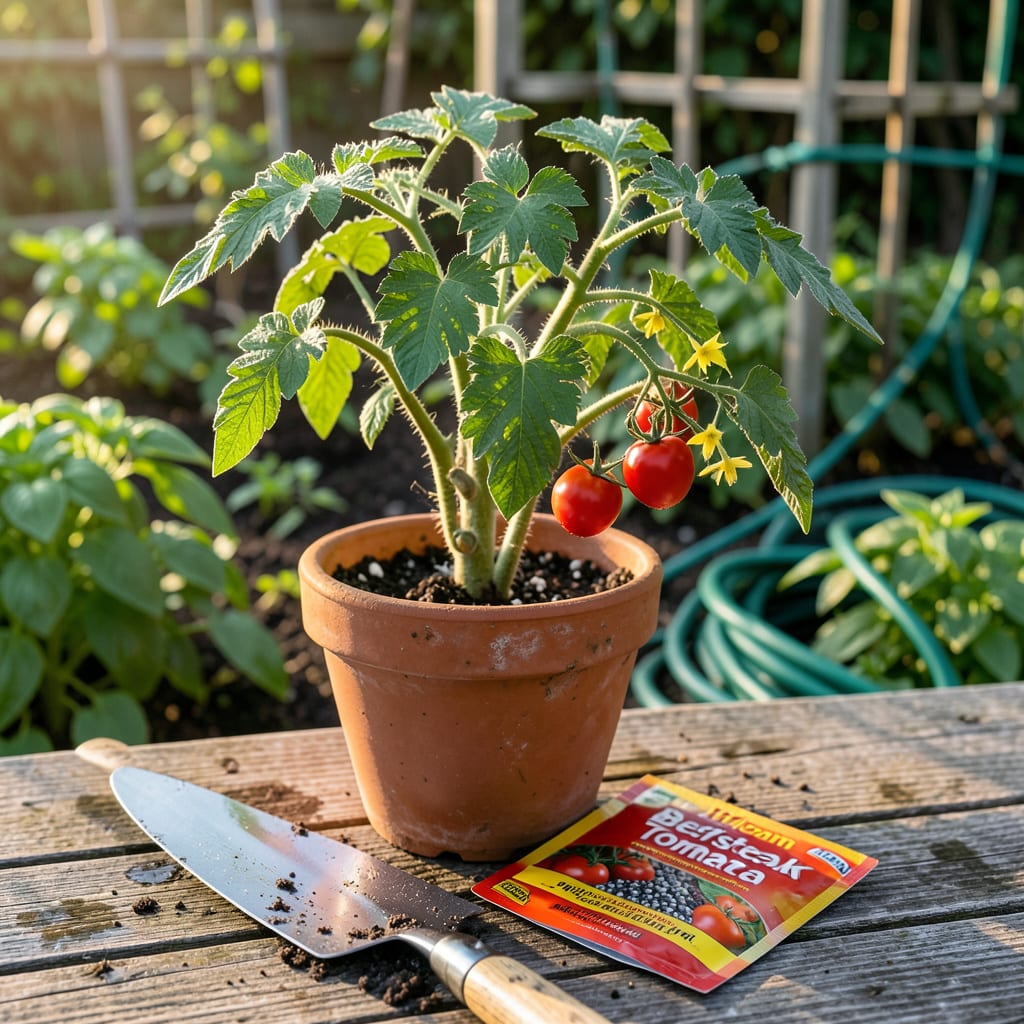
Timing your vegetable garden in New York isn’t just about the calendar—it’s about outsmarting the weather. Plant too soon, and a late frost could wipe out your cool-season crops overnight. Wait too long, and you’ll miss the window for juicy tomatoes or crisp peppers before summer fades.
From Buffalo’s short growing season to Long Island’s milder coast, NY’s climate throws curveballs. I’ll break down the exact zone-specific dates—plus pro tips to stretch your harvest from spring’s first peas to fall’s hardy kale. No more guessing games, just bigger yields.
New York’s diverse climate means your planting dates can vary dramatically—from the short seasons of Zone 3 in the Adirondacks to the longer growing windows of Zone 7 on Long Island. I’ve gardened across the state, and trust me, those last frost dates aren’t just suggestions. They’re your garden’s survival guide.
Before you grab your trowel, check your USDA zone (find yours here). Then, focus on soil temperature—not just air temps. Most seeds need 50–70°F soil to germinate, and NY’s spring warmth can be deceiving. Let’s break it down by zone.
| Zone | Last Frost Date | First Frost Date | Cool-Season Start | Warm-Season Start | Fall Planting Window |
|---|---|---|---|---|---|
| 3 (North Country) | May 15–30 | Sep 10–20 | Late April (indoors) | June 1 (after frost) | July 15–Aug 1 |
| 4 (Syracuse, Albany) | May 1–15 | Oct 1–10 | Early April (peas, spinach) | May 15–20 | Aug 1–15 |
| 5 (Rochester, Buffalo) | Apr 20–May 1 | Oct 10–20 | March 20 (cold-hardy) | May 10 | Aug 10–25 |
| 6 (Hudson Valley) | Apr 10–20 | Oct 20–30 | March 10 (direct sow) | April 25–May 5 | Aug 15–Sep 1 |
| 7 (NYC, Long Island) | Apr 1–10 | Nov 1–10 | Feb 20 (indoor starts) | April 15 | Sep 1–15 |
Pro Tip: Use a soil thermometer—don’t guess! Warm-season crops like tomatoes need 60°F+ soil to thrive.
Now, let’s talk cool-season vs. warm-season veggies. Peas, spinach, and lettuce laugh at light frosts and can go in 4–6 weeks before your last frost. I’ve had April-sown spinach ready to harvest by Mother’s Day in Zone 6. But tomatoes and peppers? They’ll sulk if soil’s below 60°F.
For fall planting, count backward from your first frost date. Kale and Brussels sprouts taste sweeter after a light frost, but they need 6–8 weeks to mature. In Zone 5, that means seeding by mid-August. Miss the window, and you’ll be harvesting tiny, sad sprouts.
Here’s my NY-specific hack: Use row covers to sneak in an extra 2–3 weeks on either end of the season. I’ve harvested December spinach in Zone 6 by covering beds with frost blankets when temps dip. Just
Don’t overlook succession planting—NY’s climate is perfect for it! I sow radishes every 10 days from April to September for a continuous harvest. Bush beans can go in 3 times in Zone 7: late May, early July, and mid-August. Keep a planting calendar (I use a spreadsheet) to track your schedule.
If you’re in an urban area like NYC, watch for microclimates. My Brooklyn community garden has spots that are 5°F warmer than others thanks to brick walls and pavement. Use this to your advantage—heat-loving eggplants thrive in these pockets while struggling in shadier plots.
Finally, soil prep matters more than you think. NY’s clay-heavy soils (looking at you, Western NY!) need compost worked in early. I amend my beds with aged manure in late March, then let it mellow for 2–3 weeks before planting. This gives cool-season crops a nutrient boost right as they’re getting started.
Still unsure? Your local Cornell Cooperative Extension office has hyper-local data—they’ve saved my bacon more than once when weird weather throws off the usual schedule. Their soil testing services are also a game-changer for figuring out why your tomatoes aren’t thriving despite perfect timing.
Even experienced gardeners in New York can trip up on timing. I’ve seen perfectly healthy seedlings wiped out overnight because someone trusted a generic planting calendar instead of their local microclimate. Let’s fix these before they ruin your harvest.
The biggest error? Ignoring soil temperature. Air temps might hit 60°F in April, but if your soil’s still chilly below 50°F, seeds like beans or corn will rot before sprouting. Always use a soil thermometer—it’s my #1 tool for NY planting success.
Quick Fix: Bookmark your county’s Cornell Cooperative Extension page for hyper-local advice.
Another classic mistake: Following national guidelines. That “plant after Mother’s Day” rule? It’s useless in Zone 3 (where frost lingers until late May) but too conservative for Zone 7 (where April planting works). I once lost an entire bed of basil by trusting a seed packet’s “general” instructions.
Overlooking microclimates costs gardeners weeks of growing time. My south-facing NYC balcony hits 70°F in March, while my upstate plot stays frozen. Track temps in your specific spot—a cheap thermometer near your garden beats regional averages every time.
Here’s a fix for fall planting procrastinators: Count backward from your first frost date, then add 2 weeks for slower fall growth. In Zone 5, that means seeding broccoli by July 15 and spinach by August 20. Miss these, and you’re stuck with stunted plants when frost hits.
Finally, don’t skip soil prep in the rush to plant. NY’s heavy clay soils (especially in Western NY) need compost worked in 3–4 weeks before sowing. I learned this the hard way when my carrots grew forked in compacted soil. Test your soil’s workability: If it crumbles like cake, it’s ready. If it’s sticky, wait.
Remember, NY’s weather is unpredictable—I’ve seen June snow in the Adirondacks and 70°F Christmas days in NYC. Stay flexible, keep row covers handy, and when in doubt, delay planting a week. It’s easier to protect young plants from heat than revive frost-bitten seedlings.
New York’s growing season might feel short, but with the right tricks, you can squeeze in extra weeks—even months—of fresh veggies. I’ve harvested spinach in December and started peppers in March using simple season-extending tools. Here’s how to make it work in your NY garden.
The secret starts with row covers, my go-to for early spring and late fall. A lightweight frost blanket can protect plants down to 24°F, letting you plant cool-season crops 2–3 weeks earlier. In Zone 5, that means lettuce by late March instead of April.
Pro Tip: Combine row covers + mulch to gain 4+ weeks in spring/fall. Black plastic mulch warms soil 5–10°F faster.
For DIY cold frames, I use old windows propped on cinder blocks—free and effective! Angle them south-facing to maximize sun. In Zone 3, this lets me start onions and leeks in early April instead of waiting for May.
Row covers aren’t just for frost—they also block pests like cabbage moths. I drape them over broccoli and kale all season, securing edges with rocks or sandbags. Just
Don’t forget container gardening for flexibility. I move potted herbs and peppers indoors when frost threatens, then return them outside when temps rise. This works especially well in urban balconies where space is limited but microclimates are warmer.
Finally, track your local microclimate. My Upstate NY garden stays cooler than my Brooklyn plot by 2 full zones. Use a simple thermometer to log temps—you might discover you can plant earlier than you thought! 🌱
Use the USDA Plant Hardiness Zone Map and enter your ZIP code. NY ranges from Zone 3 (Adirondacks) to Zone 7 (Long Island). For hyper-local data, check your county’s Cornell Cooperative Extension website.
Begin tomatoes, peppers, and broccoli indoors 6-8 weeks before your last frost date. Use a grow light for best results. In Zone 6, that means starting seeds in late February for May transplanting.
Trusting generic planting calendars instead of local frost dates. NY’s climate varies wildly—Zone 3 might frost in early June, while Zone 7 stays warm until November. Always cross-check with a soil thermometer too!
Use row covers to protect plants down to 24°F, or build a DIY cold frame with old windows. These tools can add 2-4 weeks to your season. In Zone 5, I’ve harvested spinach in December using this method!
Yes! Focus on fast-maturing varieties like radishes (25 days), bush beans (50 days), or leaf lettuce (30 days). For cooler zones, try kale and Swiss chard—they actually taste sweeter after a light frost.
