
Beautiful Plants For Your Interior
Beautiful Plants For Your Interior
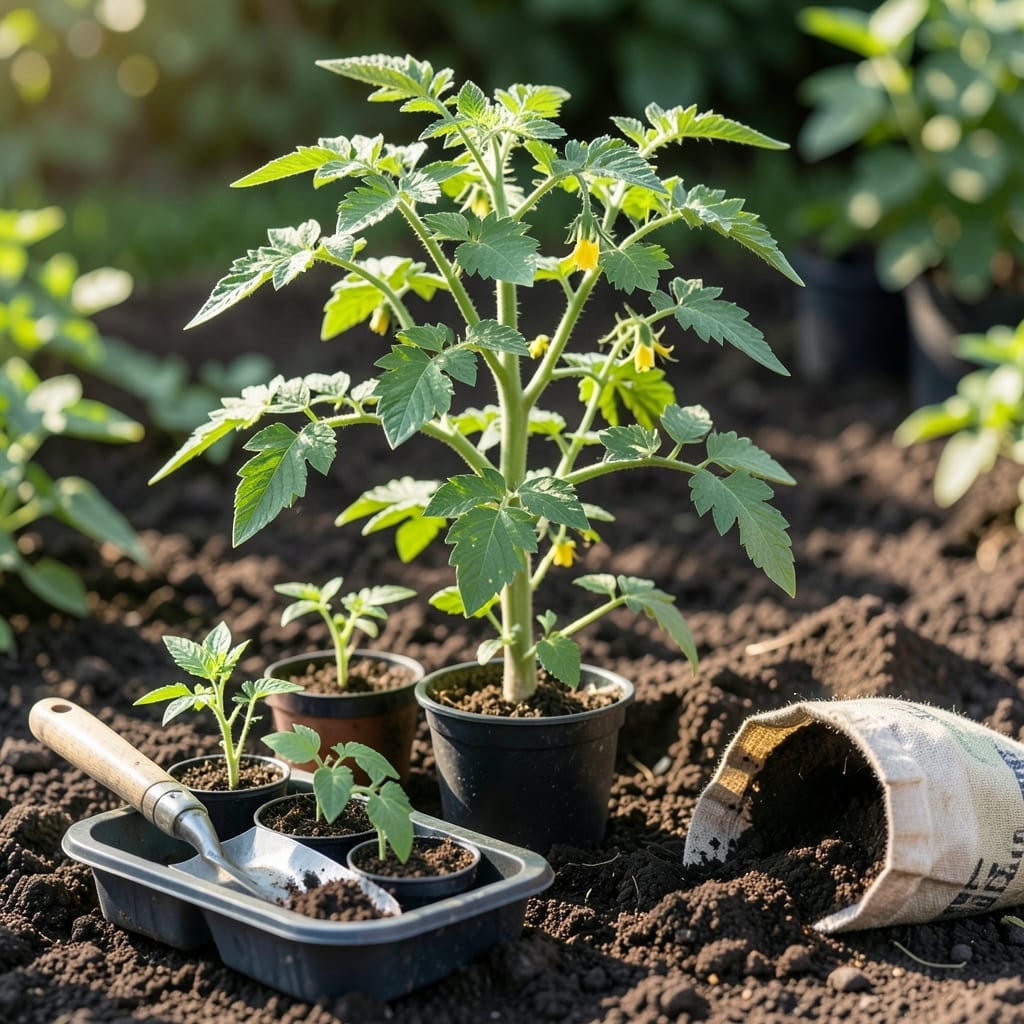
Timing is everything when it comes to planting Vegetables in Northeast Ohio, where unpredictable weather can make or break your garden. I’ve seen too many gardeners struggle with poor harvests simply because they planted too early or too late.
In our 6a climate, the window between frost dates is tight. Knowing when to start your seeds or transplant seedlings can mean the difference between a bountiful harvest and a disappointing season.
Whether you’re planting cool-season crops in early spring or warm-season varieties later, getting the timing right is the key. I’ll walk you through the best schedule to maximize your garden’s potential.
Let’s dig into the details so you can plant with confidence and enjoy fresh 🥕 Vegetables all season long.
In Northeast Ohio, timing your vegetable planting is crucial due to our USDA Zone 5-6 climate. The last frost date is typically May 15, while the first frost arrives around October 15. This gives us about 150 frost-free days for growing.
I always check soil temperature before planting. Most cool-season crops thrive when soil reaches 40-50°F, while warm-season varieties need at least 60°F. A soil thermometer is my go-to tool for accuracy.
| Season | Vegetables | Planting Time | Soil Temp |
|---|---|---|---|
| Early Spring | Peas, Spinach | March-April | 40-50°F |
| Late Spring | Lettuce, Radishes | April-May | 45-55°F |
| Summer | Tomatoes, Peppers | May-June | 60-70°F |
| Fall | Kale, Carrots | August-Sept | 50-60°F |
For cool-season crops like lettuce and spinach, I start seeds indoors in early March or direct sow 4-6 weeks before the last frost. These plants tolerate light frosts and thrive in cooler temps.
Warm-season vegetables such as tomatoes and peppers must wait until all frost danger has passed. I transplant my seedlings into the garden after May 15 when soil temps are consistently above 60°F.
The summer heat in Northeast Ohio can be intense, so I plant heat-tolerant varieties like okra and sweet potatoes in early June. These love the long, hot days and produce well until first frost.
For a fall harvest, I plant fast-maturing crops like radishes and bush beans in late summer. Count backward from the first frost date to ensure they mature in time.
I always use row covers or cold frames to extend my growing season. These protect tender plants from unexpected frosts and can add 2-4 weeks to both ends of the season.
Remember that microclimates can vary even within your yard. I notice my south-facing beds warm up 1-2 weeks earlier than my shadier spots. Observe your garden to find the best planting windows.
Finally, keep a garden journal to track your planting dates and harvest results. This helps me refine my schedule each year for better success in our Northeast Ohio climate.
With proper timing and care, you can enjoy a productive vegetable garden from spring through fall in our region 🌱
In Northeast Ohio, our short growing season means timing is critical. I’ve found the best results come from focusing on cool-season crops for early spring and late fall planting.
These hardy varieties tolerate light frosts and thrive in cooler temperatures, giving you a head start before the heat of summer arrives.
For early spring planting, I always prepare my soil as soon as it’s workable. Adding compost helps warm the soil faster and gives seedlings a nutrient boost.
The key to success with early crops is choosing fast-maturing varieties. Look for seed packets labeled “early” or “cold-hardy” to ensure they’ll reach maturity before summer heat sets in.
Don’t forget about succession planting! I plant radishes every 2 weeks in spring for continuous harvests. This technique works great with lettuce and spinach too.
For late-season crops, I use row covers to protect plants from early frosts. This simple trick can extend your growing season by 2-4 weeks in fall.
With the right timing and care, you can enjoy fresh homegrown vegetables from spring through fall in Northeast Ohio 🌱