
Beautiful Plants For Your Interior
Beautiful Plants For Your Interior
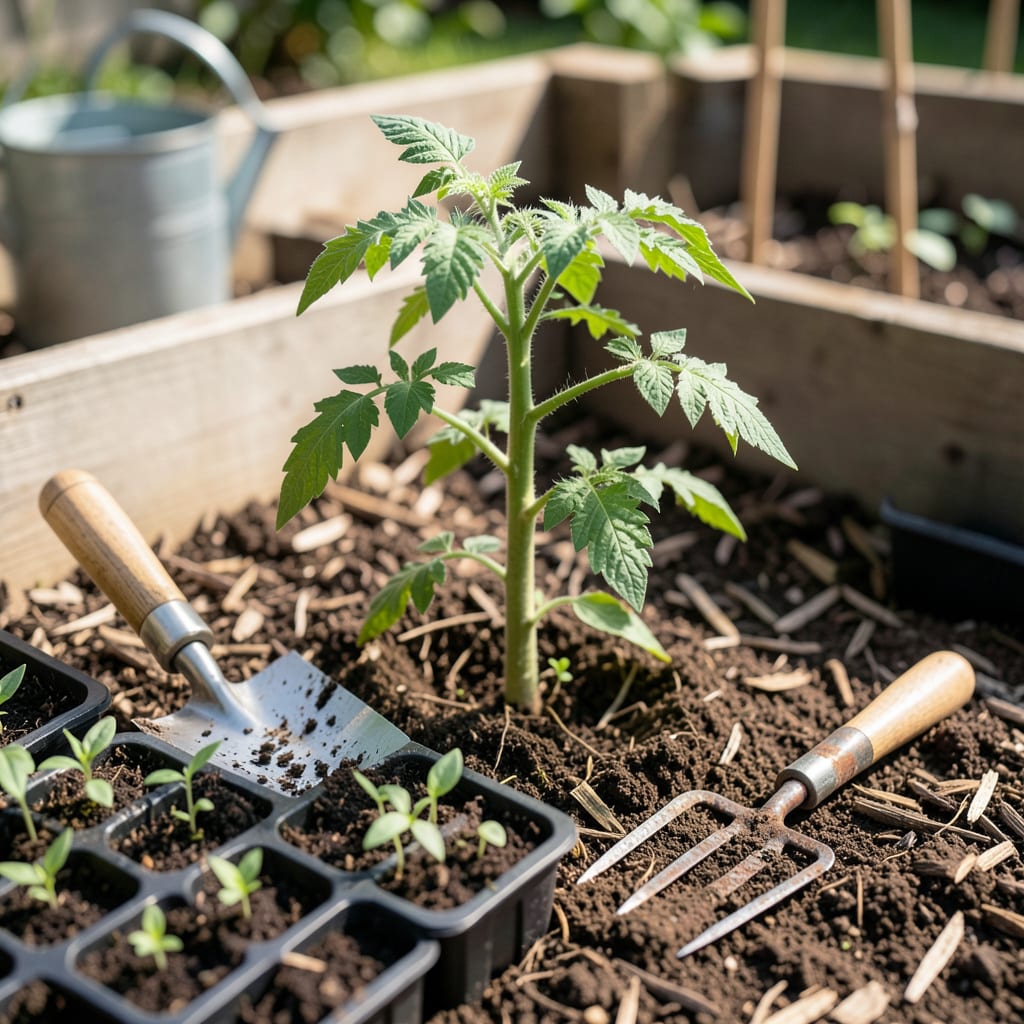
Timing your vegetable garden in North Carolina can feel like cracking a secret code. Plant too early, and a late frost wipes out your 🌱 seedlings. Wait too long, and summer heat stunts their growth before they even get started.
After years of testing what works across NC’s diverse zones, I’ve nailed down the exact windows for everything from cool-season lettuce to heat-loving tomatoes. Whether you’re in the mountains or along the coast, you’ll get a customized calendar that takes the guesswork out of planting season.
If you’ve ever wondered why your tomatoes struggle in Raleigh while your Asheville neighbors swear by June plantings, it’s all about the USDA zones. North Carolina spans three key zones—6a, 7a, and 8a—each with unique frost dates and microclimates that shift planting windows by weeks.
In the mountainous Zone 6a (like Boone), you’ll plant cool-season crops 2–3 weeks later than the coastal Zone 8a (Wilmington). Meanwhile, the Piedmont’s Zone 7a (Charlotte, Raleigh) splits the difference. Get this wrong, and you risk frost damage or stunted growth from heat stress.
| Vegetable | Zone 6a (Mountains) | Zone 7a (Piedmont) | Zone 8a (Coastal) |
|---|---|---|---|
| Lettuce | March 15–April 15 | Feb 20–March 20 | Feb 1–Feb 28 |
| Tomatoes | May 1–May 15 | April 10–April 30 | March 20–April 10 |
| Peppers | May 15–June 1 | April 20–May 10 | April 1–April 20 |
| Green Beans | May 10–June 1 | April 15–May 15 | April 1–April 30 |
| Carrots | March 20–April 20 | Feb 25–March 25 | Feb 10–March 10 |
Note: Adjust dates by 7–10 days for urban heat islands (e.g., Charlotte, Raleigh).
For cool-season crops like spinach and kale, I always aim for soil temps above 40°F—use a soil thermometer to avoid guesswork. In Zone 6a, that might mean waiting until late March, while Zone 8a gardeners can start in early February.
Warm-season stars like tomatoes and cucumbers demand soil above 60°F. Plant too early in Zone 7a, and you’ll face stunted seedlings from cold shock. I’ve lost count of how many pepper plants I’ve replaced after an unexpected late April frost in the Piedmont!
The coastal Zone 8a enjoys a longer season, but humidity and sandy soil present challenges. Amend with compost before planting heat-lovers like okra or sweet potatoes—they’ll thrive in the 90°F summers if given rich, moist soil.
Don’t forget succession planting! In Zone 7a, I sow bush beans every 2 weeks from April to July for continuous harvests. Coastal gardeners can push this to August, while mountain folks should wrap up by late June to avoid early frosts.
Pro tip: Mark your calendar with NC’s average frost dates—April 15 (last spring frost) and October 15 (first fall frost) for Zone 7a. Adjust ±2 weeks for other zones. These dates are your non-negotiable bookends for tender crops like basil and squash.
For fall planting, count backward from the first frost date. In Zone 6a, start broccoli by mid-July; in Zone 8a, you’ve got until early September. Use row covers to extend harvests by 3–4 weeks—I’ve picked fresh greens well into December with this trick!
Still unsure? The NC Cooperative Extension offers free soil tests and hyper-local planting guides. Their interactive tool lets you input your zip code for customized dates—because even neighboring counties can vary by a week or more!
Even with the best intentions, it’s easy to misjudge planting times in North Carolina. I’ve seen entire tomato crops wiped out by a late frost in Zone 7a, simply because someone trusted the “safe date” on a seed packet instead of their local microclimate.
One of the biggest blunders? Ignoring soil temperature. Cool-season crops like spinach and peas can handle 40°F soil, but peppers and eggplants need 60°F+ to thrive. Plant them too early, and they’ll just sit there, sulking in the cold.
Quick Fix: Use a soil thermometer ($10 at any garden center) to take the guesswork out of timing.
Another classic error is misjudging frost dates. NC’s last spring frost ranges from April 1 in Zone 8a to May 10 in Zone 6a. Plant tender crops like cucumbers too soon, and one cold night can ruin months of work. I always harden off seedlings and keep row covers handy—just in case.
Overlooking microclimates is a game-changer. A south-facing slope in Asheville might be 2 weeks ahead of a shaded valley. Similarly, urban gardens in Durham or Greensboro often stay warmer, letting you plant heat-lovers like okra and sweet potatoes a week earlier than rural areas.
Many gardeners also plant all their seeds at once, leading to a glut of produce and nothing later. Instead, I stagger lettuce and radishes every 10 days for continuous harvests. For tomatoes, I plant early, mid-season, and late varieties to spread out the bounty—no more drowning in 50 pounds of Roma tomatoes in August!
Finally, don’t skip the fall garden! NC’s cooler autumns are ideal for broccoli, cauliflower, and Brussels sprouts. In Zone 7a, I sow kale seeds by August 1 for winter harvests. Coastal gardeners can push this to September 1, while mountain folks should aim for July 15 to beat early frosts.
If you’ve made these mistakes, don’t worry—I’ve been there too. The key is to track your successes and failures in a gardening journal. Note when you planted, when you harvested, and what worked (or didn’t). Over time, you’ll build a customized NC planting calendar that’s tailored to your exact location and microclimate.
North Carolina’s long growing season is a gardener’s dream—but only if you know how to stretch it. With the right strategies, I’ve harvested fresh greens in December and enjoyed tomatoes well into October. The secret? Succession planting and season-extending tools.
Start with succession planting for quick-maturing crops like radishes, lettuce, and bush beans. In Zone 7a, I sow radish seeds every 10 days from March to September. Coastal gardeners can push this to October, while mountain folks should wrap up by late August.
Pro Tip: Combine succession planting with row covers to double your harvest window!
For fall planting, timing is everything. In Zone 6a, start broccoli and cabbage by mid-July to mature before frost. Zone 8a gardeners can wait until early September. I use a planting calculator to count backward from the first frost date—it’s a game-changer!
Cold protection doesn’t have to be fancy. A simple floating row cover ($20 at garden centers) can shield tender crops from light frosts. For heavier freezes, I layer old blankets over hoops—it’s saved my peppers and eggplants more times than I can count.
Don’t overlook winter gardening in NC! In Zone 7a, I grow kale, Swiss chard, and carrots under low tunnels all winter. Coastal gardeners can add beets and turnips to the mix. The key is planting in fall and using mulch to insulate roots.
Finally, microclimates matter. A south-facing wall or urban heat island can let you grow heat-lovers like basil weeks longer. I once harvested cherry tomatoes in November in Raleigh by tucking plants near a brick patio—it radiated warmth overnight!
Use the USDA Plant Hardiness Zone Map and enter your ZIP code. Most of NC falls into Zones 6a, 7a, or 8a, but urban areas like Charlotte may have microclimates that shift dates.
No—even in coastal areas, tomatoes need soil temps above 60°F. Wait until late March to early April for Zone 8a. Planting too early risks stunted growth from cold shock.
Count backward from your first frost date (around October 15 for Zone 7a). In the mountains, plant by mid-July; coastal gardeners can wait until early September.
Yes! Containers warm up faster than ground soil. Start 1–2 weeks earlier for heat-lovers like peppers, but monitor moisture closely—pots dry out faster in NC’s summer heat.
Keep floating row covers or old blankets on hand. For tender crops, cover plants overnight if temps dip below 32°F. Remove covers by mid-morning to prevent overheating.
