
Beautiful Plants For Your Interior
Beautiful Plants For Your Interior
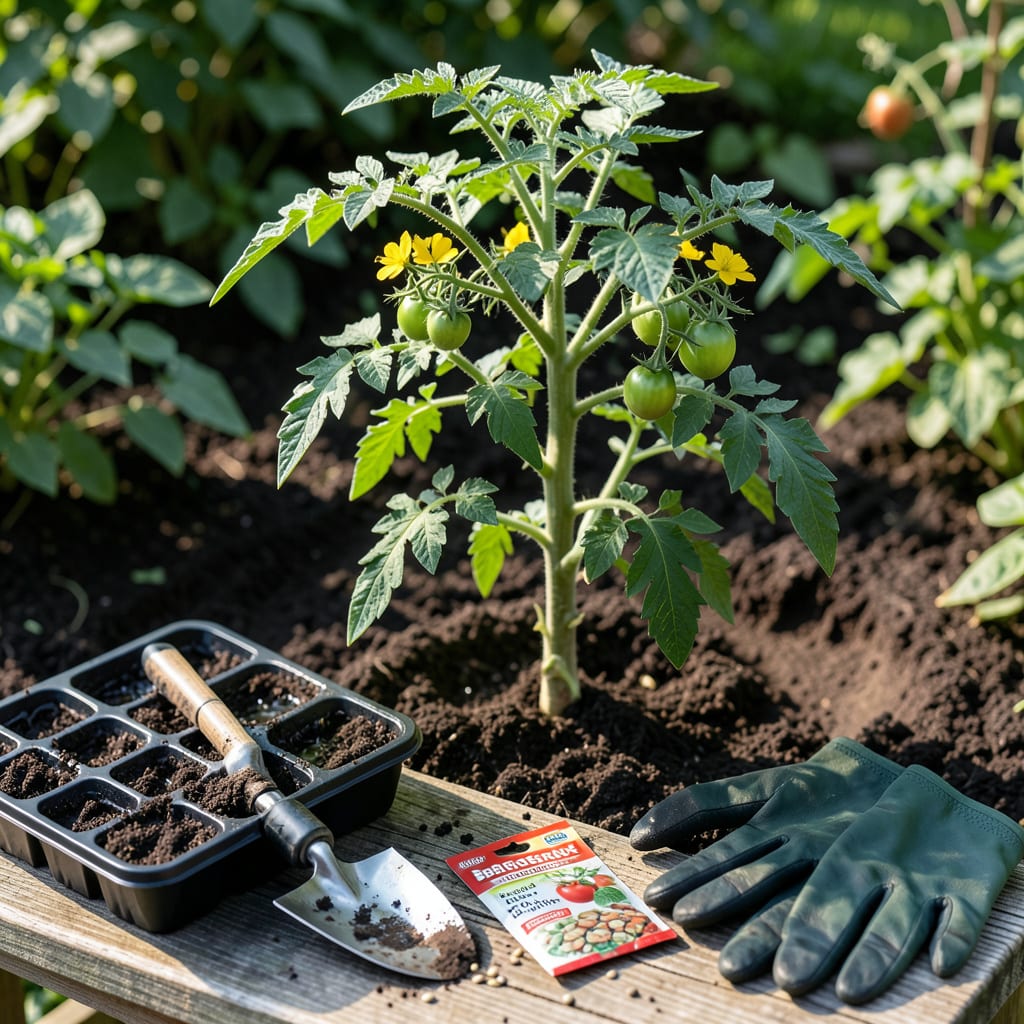
Missouri’s unpredictable springs can turn your vegetable garden into a gamble—plant too soon, and a late frost wipes out your seedlings. But here’s the good news: with the right timing, you can outsmart the weather and grow your biggest harvest yet.
I’ve dug into the data for Missouri’s zones 5a–7a to create a no-guesswork schedule. Whether you’re in the Ozarks or the Bootheel, you’ll know exactly when to sow those tomatoes, peppers, and greens—so your garden thrives, not just survives. Let’s get started.
Missouri’s USDA hardiness zones range from 5a to 7a, meaning your planting dates can vary by weeks depending on where you live. In Zone 5 (like Kansas City), the last frost typically hits around April 15, while Zone 7 (southern Missouri) might see it as early as March 30.
For cool-season crops like lettuce and peas, you’ll want to plant 4–6 weeks before your last frost. But warm-season favorites—tomatoes, peppers, and beans—need soil temps above 60°F, so wait until after frost danger has passed. Let’s break it down by zone and crop.
If you’re in northern Missouri (Zone 5), your growing season is shorter—about 165 frost-free days. That’s why starting tomatoes and peppers indoors by mid-March is critical. I recommend using a heat mat to keep soil temps above 70°F for faster germination.
Down in Zone 7 (Bootheel region), you’ve got a longer season, but humidity and heat can be challenges. For crops like okra and sweet potatoes, plant after May 1 when soils are reliably warm. Pro tip: Use black plastic mulch to heat soil faster in spring.
Don’t forget soil prep! Missouri’s clay-heavy soils benefit from compost or aged manure worked in before planting. Aim for a pH of 6.0–6.8—test with a kit from your local MU Extension office. If your soil is compacted, consider raised beds for better drainage.
For fall crops like kale and spinach, count backward from your first frost date (around October 15 in most of Missouri). Sow seeds 6–8 weeks before that date. I’ve had great success with ‘Winterbor’ kale—it sweeten after a light frost!
Missouri’s microclimates can throw curveballs. Urban areas like St.
Missouri’s four distinct seasons mean you can grow three separate crops if you plan right. I’ve found that cool-season veggies like peas and spinach thrive in early spring and again in fall, while heat-lovers like tomatoes and okra need summer’s warmth to produce.
The key is succession planting—staggering your sowings so something’s always ready to harvest. For example, I plant radishes every 2 weeks from March to September for a continuous supply. Let’s dive into what to plant when, with my top picks for each season.
Peas, lettuce, spinach, radishes, and kale love cool weather. Sow as soon as soil is workable—even if it’s 40°F.
Pro tip: Use row covers to protect from late frosts and speed growth.
Time for tomatoes, peppers, beans, cucumbers, and squash. Wait until soil hits 60°F+—usually after April 15 in most zones.
In hot summers, mulch heavily to retain moisture and prevent blossom-end rot in tomatoes.
Plant broccoli, cabbage, carrots, and beets 6–8 weeks before first frost (~Oct 15). These sweeten after a light frost!
Extend the season with cold frames or low tunnels—I harvest spinach until December some years.
Garlic, onions, and hardy greens like ‘Winter Density’ lettuce can survive Missouri winters with protection.
Plant garlic cloves in October—they’ll be ready to harvest by July next year.
For summer heatwaves, I swear by shade cloth for greens and drip irrigation to keep roots cool. In Zone 7, you can even sneak in a second planting of bush beans in late July for a fall harvest.
Don’t overlook herbs! Basil and cilantro grow fast in summer, while parsley and thyme thrive in cooler spring/fall temps. I tuck herbs between veggies to deter pests naturally.
Remember: Missouri’s clay soil drains poorly, so raised beds or amended soil (with compost and perlite) can make a huge difference. Test your soil’s moisture by squeezing a handful—if it crumbles, it’s ready to plant.
Finally, keep a garden journal to track what works. Note planting dates, first harvests, and any pest issues. Over time, you’ll fine-tune your schedule for Missouri’s unpredictable swings—from late frosts to summer droughts. 🌱
Even experienced gardeners in Missouri can trip up on timing. I’ve seen tomato plants stunted by late frosts and spinach bolt in sudden heatwaves. The key is understanding Missouri’s unpredictable swings—from Zone 5’s short season to Zone 7’s humidity. 🌱
One of the biggest errors? Trusting generic planting dates instead of your local last frost date. Kansas City gardeners (Zone 5) can’t plant peppers as early as Bootheel growers (Zone 7). Always check your specific county’s data via the MU Extension.
Another common pitfall: Overcrowding seeds. Missouri’s spring rains can lead to damp soil, which means seeds rot if spaced too closely. Follow packet instructions, and thin seedlings ruthlessly—yes, even if it hurts!
I’ve also seen gardeners forget about fall planting. Missouri’s mild autumns are perfect for broccoli, carrots, and kale. Start seeds in late July for a harvest before frost. Use row covers to extend the season into November.
Finally, don’t let summer drought catch you off guard. Missouri’s July–August dry spells can wipe out a garden fast. Install drip irrigation or soaker hoses, and mulch with straw to retain moisture. Trust me—your tomatoes will thank you! 💧
Use the MU Extension’s frost date calculator or check your county’s agricultural office. For example, Kansas City (Zone 5) has a last frost around April 15, while Springfield (Zone 7) is closer to March 30. Always cross-check with a soil thermometer—cool-season crops thrive at 40°F+, while warm-season needs 60°F+.
Yes, but timing depends on your zone. In Zone 5, start both indoors by mid-March and transplant after May 1. In warmer Zone 7, you can transplant peppers as early as April 5 and tomatoes by April 1. Peppers need slightly warmer soil, so wait a week after your last frost if unsure.
Use row covers for early spring/fall crops and black plastic mulch to warm soil faster. In Zone 5, cold frames can add 4–6 weeks of growth. For fall, plant broccoli and kale by late July—they’ll sweeten after a light frost. Succession planting (like radishes every 2 weeks) keeps your harvest continuous.
Our clay-heavy soil stays wet longer after rains, causing seeds to rot if overcrowded. Always plant at the depth listed on seed packets (usually 2–3x the seed’s width) and space properly. For direct-sow crops like beans, wait until soil is dry enough to crumble in your hand—never muddy.
Fall’s cooler temps and fewer pests often mean better-quality veggies. Plant spinach, carrots, and beets by early August in Zone 5 or late August in Zone 7. Use low tunnels to protect from early frosts—I’ve harvested spinach until December with this method.
