
Beautiful Plants For Your Interior
Beautiful Plants For Your Interior
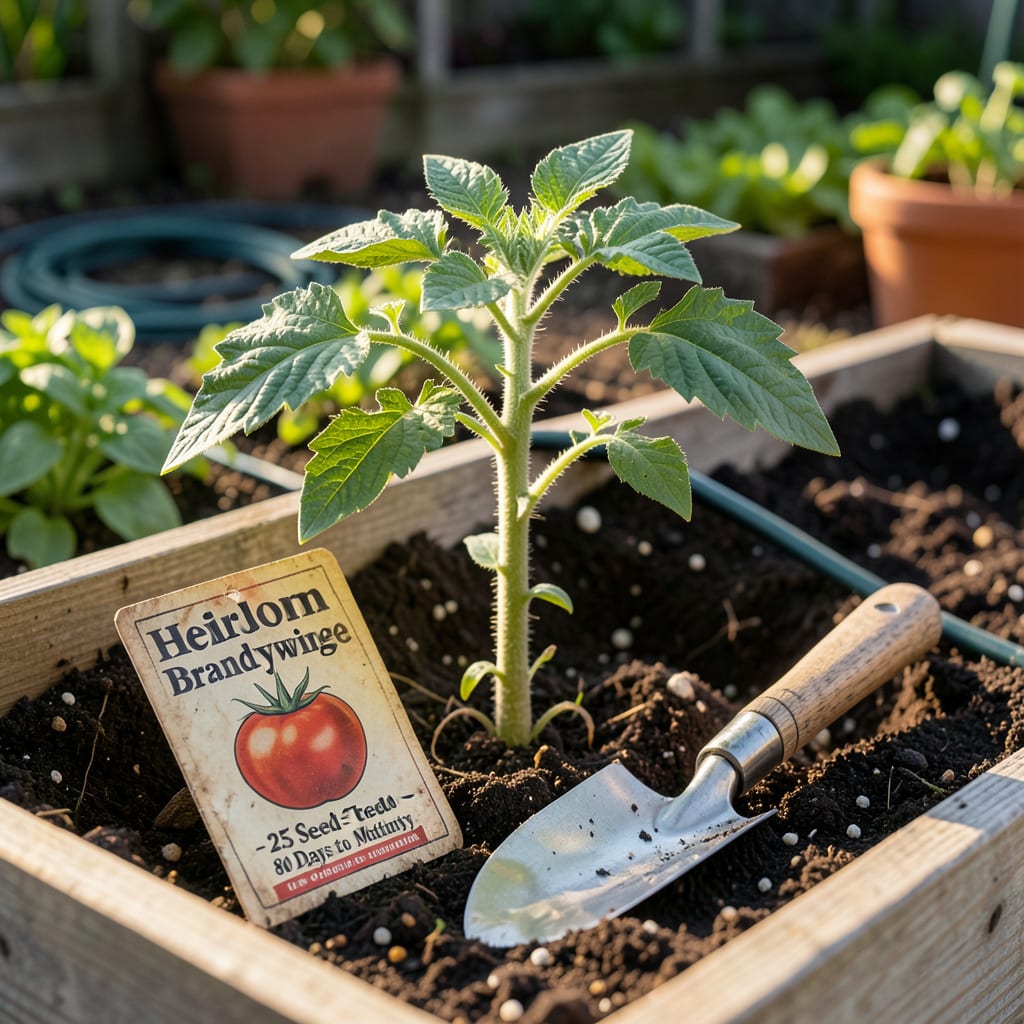
Ever planted a garden in Michigan only to watch frost claim your seedlings overnight? You’re not alone—our unpredictable springs and early falls make timing everything. One wrong week can mean the difference between a bountiful harvest and a disappointing season.
After years of testing planting windows across zones 5a-6b, I’ve cracked the code for Michigan’s unique climate. Whether you’re in Traverse City or Detroit, I’ll show you exactly when to get those seeds in the ground—no more guessing games or wasted effort. Let’s make this your most productive growing season yet.
Michigan’s USDA Zones 5a-6b create a patchwork of planting windows. In the Upper Peninsula (Zone 5a), you’ll wait weeks longer than Detroit (Zone 6b) for that final frost. I’ve mapped out precise timing based on soil temperature thresholds and regional microclimates.
Remember: Lake-effect areas near Grand Rapids or Traverse City often have slightly milder springs, while inland regions like Lansing experience more dramatic temperature swings. Always check your local frost dates—they can vary by 2-3 weeks even within the same zone.
*Start seeds indoors 6-8 weeks before transplant dates for warm-season crops.
For cool-season crops like spinach or radishes, I always recommend a second planting in late summer for fall harvests. In Zone 6b, you can often squeeze in a third succession of lettuce if you use row covers to protect from early frosts.
The soil temperature is your secret weapon. Peas germinate at 40°F, but tomatoes need 60°F+. Use a $10 soil thermometer—it’s saved my seedlings more times than I can count. In clay-heavy soils common in southern Michigan, warming the soil with black plastic mulch can buy you 1-2 weeks.
Michigan’s last frost dates vary dramatically: May 30 in Marquette vs. May 5 in Monroe. I track these using Michigan State University’s Enviroweather station data, which gives hyper-local predictions. For warm-season crops, wait until 2 weeks after your average last frost.
Don’t overlook microclimates in your yard. South-facing slopes or areas near brick walls can be 5-10°F warmer, perfect for heat-loving peppers. I’ve successfully grown eggplants in Zone 5b by planting them in raised beds with thermal mass from stones.
For fall crops like kale or Brussels sprouts, count backward from your first frost date. In Zone 6a, that’s around October 10, so plant kale by August 1 for mature plants before cold weather hits. These cool-season warriors actually taste sweeter after light frosts!
Pro tip: Keep a garden journal with your planting dates and frost observations each year. After 3 seasons, you’ll have a customized calendar that’s more accurate than any general guide. My journal showed me my Detroit garden consistently gets its last frost 5 days earlier than the almanac predicts.
Remember that variety selection matters as much as timing. For Michigan’s short season, I swear by ‘Early Girl’ tomatoes (50 days) and ‘Sugar Sprint’ peas (60 days). These fast maturers consistently outperform longer-season varieties in our climate.
Finally, don’t forget about soil prep. Michigan’s heavy clay benefits from fall amendments of compost and sand. I work in 2-3 inches of compost every October, which makes spring planting a breeze. The improved drainage helps prevent those dreaded seed rot issues in our wet springs.
🌱Even experienced Michigan gardeners sometimes get their planting timing wrong. I’ve seen heartbreaking losses from simple errors like trusting generic almanac dates instead of local frost patterns. Let’s examine the five most costly mistakes I’ve made (and learned from) over 15 seasons.
The biggest blunder? Planting tomatoes or peppers before soil reaches 60°F. Those tropical plants will just sulk in cold ground, becoming stunted and disease-prone. I lost an entire crop of ‘Brandywine’ tomatoes in Zone 5b by rushing them out on May 10—two weeks too early.
Another costly error is relying on calendar dates instead of actual conditions. My 2021 garden journal shows Detroit’s last frost came May 12—but 2022 it hit April 28. That’s why I now use MSU’s Enviroweather for real-time frost alerts. The $5 subscription has paid for itself in saved seedlings.
Many gardeners forget that variety matters as much as timing. Planting ‘Big Boy’ tomatoes (85 days) in Marquette (Zone 5a) is asking for trouble. Instead, I grow ‘Stupice’ (55 days) and ‘Glacier’ (55 days)—both thrive in our short season and produce before first frost.
Succession planting is Michigan’s secret weapon. I plant radishes every 10 days from April to August, ensuring continuous harvests. The same goes for bush beans—three plantings, three harvests. Without this, you’ll have one glut of produce and then nothing for weeks.
Don’t underestimate fall planting potential. Many gardeners stop after July 4th, but I plant kale, spinach, and carrots in early August for sweet fall harvests. These crops actually improve with light frosts, developing better flavor and texture than spring plantings.
Finally, soil prep timing trips up many gardeners. Amending soil in spring is too late—do it in fall. I spread 2-3 inches of compost every October, letting winter break it down. Come spring, my soil is ready for immediate planting, giving me a 2-week head start over neighbors who till in cold, wet May soil.
🌱Michigan’s short growing season doesn’t have to limit your harvest. With the right techniques, I’ve extended my production by 4-6 weeks on both ends. The key is combining protective structures with smart planting strategies tailored to our climate zones.
I start with cold frames in early spring to get a jump on cool-season crops. These simple boxes can create a microclimate 10-15°F warmer than ambient temps. My DIY version uses old windows and cinder blocks—costing under $50 but adding months to my growing window.
*Combine methods for maximum extension (e.g., cold frame + succession planting = 8+ extra weeks)
Row covers are my go-to for warm-season crops like tomatoes and peppers. A simple floating row cover can protect plants from late frosts while allowing 70% light transmission. I keep mine handy until June 1st in Zone 5b—it’s saved my tomato plants from unexpected late May frosts more than once.
For serious extension, hoop houses are game-changers. My 10’×4′ hoop house cost $200 to build and lets me grow heat-loving crops like melons in Zone 5a. The secret? Adding 5-gallon water jugs painted black inside—they absorb heat during the day and release it at night, creating a stable environment.
Succession planting works hand-in-hand with season extension. I plant fast-maturing radishes every 10 days from April through August. For lettuce, I make new plantings every 3 weeks, ensuring fresh greens all season. The key is choosing quick varieties like ‘Black Seeded Simpson’ lettuce (45 days) or ‘Cherry Belle’ radishes (25 days).
Don’t forget about fall extension—it’s often easier than spring. I use old blankets on cold nights to protect kale and spinach well into November. These crops actually sweeten with frost, and I’ve harvested spinach as late as Thanksgiving in Zone 6a with this simple protection.
🌱Use Michigan State University’s Enviroweather station data for hyper-local frost dates. In Zone 5a (Upper Peninsula), last frost typically hits May 20-30, but microclimates vary. A $10 soil thermometer is your best tool—wait until soil reaches 60°F for tomatoes.
Begin tomatoes and peppers 8 weeks before your last frost date. In Zone 6b (Detroit), that means starting seeds mid-March. Use grow lights for 14-16 hours/day to prevent leggy seedlings. Harden off plants for 7-10 days before transplanting.
Count backward from your first frost date (around October 10 in Zone 6a). Plant kale by August 1 and spinach by August 15 for mature plants. These crops actually sweeten after light frosts—use row covers to extend harvests into November.
Lake-effect zones near Grand Rapids or Traverse City often have milder springs and later falls than inland areas. You might plant 1-2 weeks earlier in spring and harvest 2 weeks later in fall. Always check local microclimate data—south-facing slopes can be 5-10°F warmer.
For our short season, choose ‘Early Girl’ tomatoes (50 days), ‘Sugar Sprint’ peas (60 days), or ‘Cherry Belle’ radishes (25 days). These consistently outperform longer-season varieties. In Zone 5a, avoid ‘Beefsteak’ tomatoes (85 days)—they rarely ripen before frost.
