
Beautiful Plants For Your Interior
Beautiful Plants For Your Interior
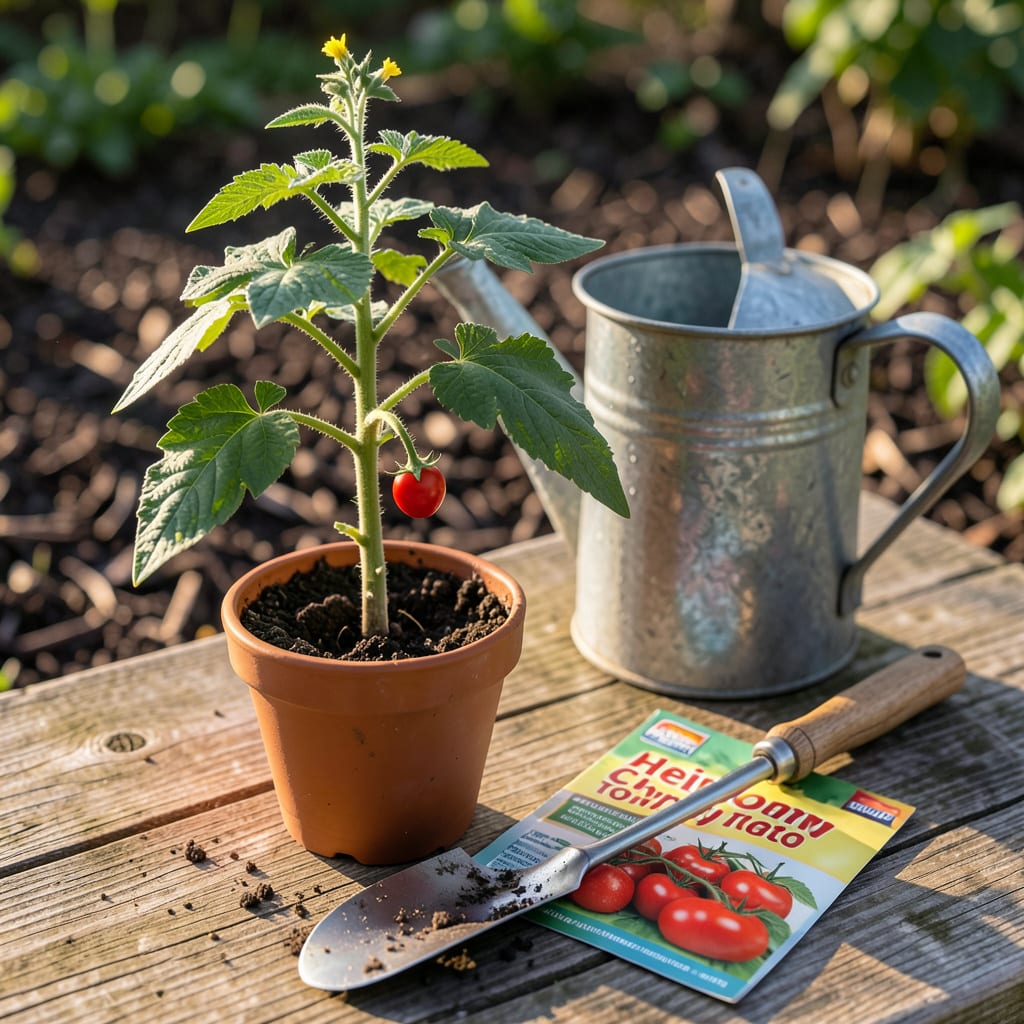
Timing your vegetable garden in Massachusetts isn’t just about luck—it’s about working with the state’s unpredictable springs and early frosts. One misstep with planting dates, and you could lose weeks of growing potential or watch your seedlings struggle in chilly soil.
After years of testing what thrives in our Zone 6 climate, I’ve cracked the code on when to get 🌱 vegetables in the ground for maximum yield. Whether you’re along the coast or inland, I’ll show you exactly how to sync your planting with Massachusetts’ unique growing windows—no guesswork required.
If you’ve ever wondered why your neighbor’s tomatoes thrive while yours struggle, it often comes down to planting timing. Massachusetts spans USDA zones 5a–7b, meaning frost dates vary dramatically—from April 10 in Boston to May 15 in the Berkshires. I’ll break down exact windows for 15+ crops so you never guess again.
Coastal areas like Cape Cod enjoy milder springs, while inland spots (think Worcester) face later frosts. Always check your local frost dates via the UMass Amherst Extension—it’s my go-to for hyper-local data. Soil temp matters too: 50°F+ for peas, 60°F+ for tomatoes.
| Vegetable | Start Indoors | Transplant Outdoors | Direct Sow | Harvest Window |
|---|---|---|---|---|
| Tomatoes | March 15–April 1 | May 10–20 | — | July–Sept |
| Peas | — | — | March 20–April 10 | June–July |
| Kale | Feb 15–March 1 | April 1–15 | Aug 15–Sept 1 | May–Nov |
| Carrots | — | — | April 1–May 15 | July–Oct |
| Bush Beans | — | — | May 15–June 1 | July–Aug |
*Adjust dates by ±7 days for zones 5a (earlier) or 7b (later).
Notice how kale thrives in both spring and fall? That’s the magic of cool-season crops. For warm-season stars like tomatoes and peppers, wait until soil hits 60°F—I use a $10 soil thermometer to avoid guesswork. Coastal gardeners can push dates 1–2 weeks earlier than inland folks.
Here’s a pro tip: Succession planting is your best friend in MA. After harvesting early radishes (sow March 20), replant that space with bush beans by May 20. I’ve squeezed 3 crops from one bed using this trick—try it with lettuce → green onions → spinach.
Don’t overlook soil prep—Massachusetts’ acidic soils (pH 5.5–6.5) often need lime before planting. I test my soil every March with a UMass soil kit ($15) and amend accordingly. For heavy feeders like tomatoes, mix in composted manure 2 weeks before transplanting.
Watch for late frosts—even in zone 7a, I’ve lost peppers to a May 10 frost. Keep frost blankets handy until May 15, and use wall-o-water for early tomatoes. Coastal gardeners: your last frost is often April 1–10, but inland areas should wait until May 1 for tender crops.
Fall planting is underrated in MA! Get garlic cloves in by October 15, and sow spinach by September 1 for winter harvests. I’ve pulled fresh kale in December under low tunnels—it’s sweeter after frost! Use row covers to extend seasons by 3–4 weeks.
Remember: Microclimates matter. My south-facing Boston patio hits 60°F soil by April 10, while my friend’s shady Newton yard
Even with perfect timing, some common mistakes can sabotage your Massachusetts vegetable garden. I’ve seen rookie errors cost gardeners weeks of growth—or worse, entire crops. Let’s tackle the top five pitfalls and how to sidestep them.
First up: ignoring microclimates. Your Boston backyard might hit 60°F soil by April 10, while a shady Worcester plot lingers at 50°F until May 1. Always test soil temps with a thermometer—don’t rely on calendar dates alone.
Another big one: misjudging soil readiness. Massachusetts’ heavy clay (especially in eastern MA) needs amending before planting. I mix in 2 inches of compost and 1 inch of sand to improve drainage. Test soil moisture by squeezing a handful—if it crumbles, it’s ready; if it sticks, wait.
Don’t fall for the “more is better” trap with seeds. Overcrowding leads to weak plants and disease. Follow spacing guidelines: 18 inches for tomatoes, 4 inches for lettuce. Thin seedlings ruthlessly—I know it’s hard, but your harvest will thank you.
Pest pressure in MA is no joke. Striped cucumber beetles and cabbage worms can decimate crops overnight. My go-to defenses: floating row covers for brassicas and neem oil sprays every 10 days. Rotate crops yearly to break pest cycles—never plant tomatoes where peppers grew last year.
Finally, watering mistakes wreck more MA gardens than frost. Our humid summers mean foliar diseases thrive with evening watering. I water before 9 AM and use drip irrigation to keep leaves dry. Aim for 1 inch per week, adjusting for rainfall. A rain gauge ($5) takes the guesswork out of it.
Remember: Massachusetts gardens demand adaptability. One year, you’ll dodge frost until May 20; the next, you’ll plant tomatoes on May 5. Keep a garden journal to track what works in your specific microclimate. My best yields came after I started noting soil temps, pest outbreaks, and harvest dates yearly. 🌱
If you think Massachusetts’ growing season ends with the first frost, you’re missing out on months of potential harvests. With succession planting, I’ve pulled fresh spinach in December and enjoyed three rounds of radishes in one season. The key? Strategic timing and crop selection.
Start by mapping your garden in phases. While early spring is for peas and lettuce, plan for midsummer plantings of bush beans and kale. I use a color-coded calendar to track planting windows—it’s a game-changer for maximizing space. Coastal gardeners can often squeeze in an extra succession compared to inland areas.
After harvesting early radishes (sown March 20–April 5), immediately replant with fast-maturing lettuce or green onions. Follow with fall spinach by August 15 for a three-crop rotation in one bed!
Works best in Zones 6–7; adjust by ±7 days for Zone 5.
For warm-season crops, try this two-wave approach: Plant bush beans in late May, then sow another batch by July 1 for a late summer harvest. I’ve had success with ‘Blue Lake’ beans using this method—they mature in just 50–55 days. Pair them with zucchini (plant June 1) for a staggered harvest.
Don’t overlook overwintering techniques. In Zone 6, I’ve kept kale, spinach, and carrots alive under low tunnels until Christmas. The secret? Plant by September 1 and use thick mulch (4–6 inches of straw). Cold-hardy varieties like ‘Winterbor’ kale actually sweeten after frost—try it!
To extend seasons by 2–4 weeks, invest in season extenders. I swear by floating row covers for spring plantings and cold frames for fall. A $20 hoop tunnel over my raised beds let me harvest salad greens until Thanksgiving last year. For tomatoes, wall-o-water protectors can buy you an extra 3 weeks on either end.
Here’s my fail-proof fall planting schedule for Zone 6: Sow spinach and arugula by August 15, radishes and turnips by September 1, and garlic by October 15. Use shade cloth in late summer to protect young seedlings from August heat, then switch to frost blankets by October. Trust me, that first winter harvest makes it all worthwhile. 🌱
Coastal areas like Cape Cod can plant 1-2 weeks earlier than inland spots. Boston’s last frost is often April 10, while Worcester may not be safe until May 1. Always check your specific microclimate!
Use succession planting and season extenders. After early radishes, replant with lettuce, then spinach. A $20 hoop tunnel can add 3-4 weeks to your growing window.
Risky! Wait until soil hits 60°F (usually May 10-20). Use wall-o-water protectors if you’re eager. Coastal gardeners might get away with late April if using frost blankets.
Ignoring soil prep in our acidic soils. Always test pH and add lime for brassicas. Skipping this step can stunt growth or invite disease. A $15 UMass soil kit is worth its weight in tomatoes!
Spinach sown by Sept 1 or garlic by Oct 15 can yield winter harvests. Cold-hardy kale actually sweetens after frost. Use thick mulch and row covers for best results.
