
Beautiful Plants For Your Interior
Beautiful Plants For Your Interior
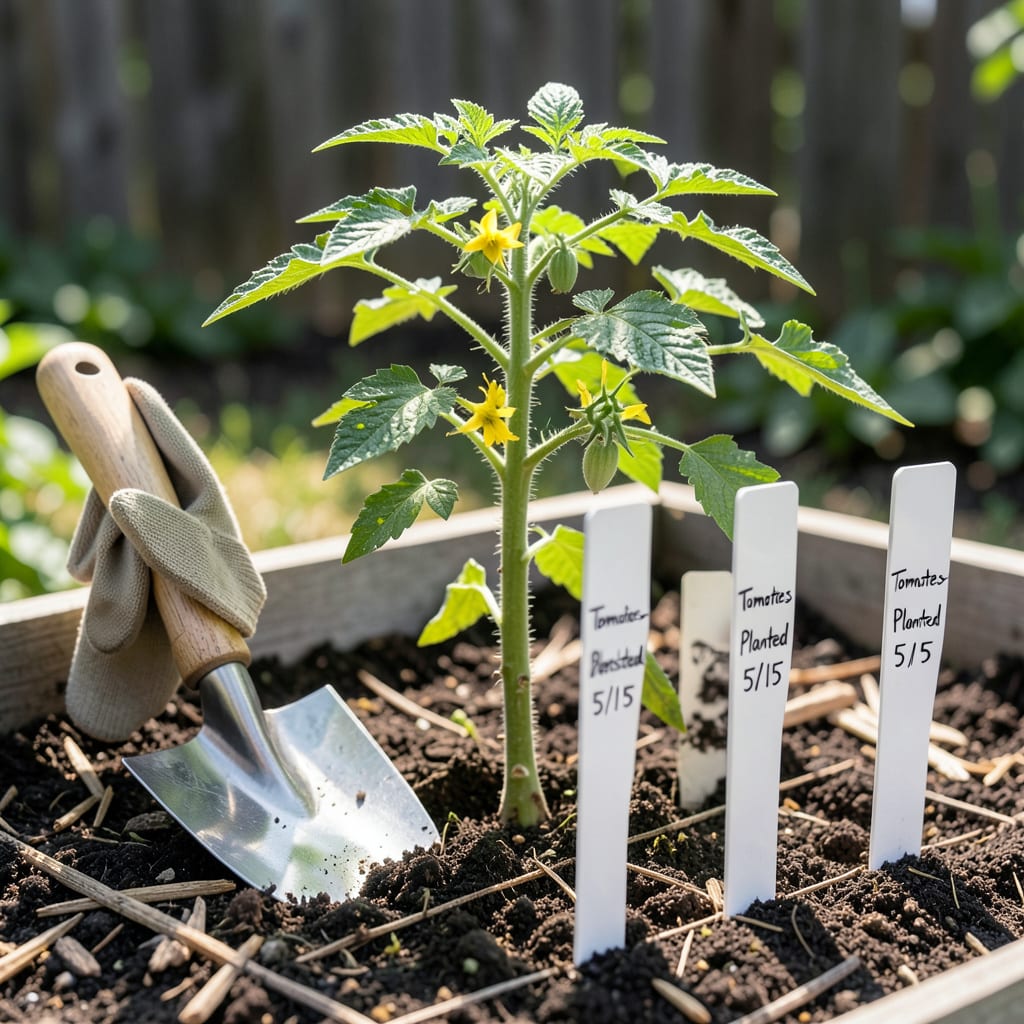
Timing your vegetable garden in Indiana can feel like a high-stakes gamble—plant too soon, and frost might ruin your crops; wait too long, and you’ll miss your harvest window. I’ve seen too many gardeners lose weeks of growth to poor planning, but it doesn’t have to be that way.
With Indiana’s USDA Zones 5b–6b, the difference between a thriving garden and a disappointing one often comes down to just a few weeks. Let me break down the exact windows for cool-season and warm-season 🌱 vegetables—so you can plant with confidence and reap the rewards all season long.
If you’ve ever wondered why your neighbor’s tomato plants thrive while yours struggle, the answer often lies in Indiana’s planting zones. Our state spans USDA zones 5a to 6b, meaning frost dates and soil temps vary dramatically from South Bend to Evansville. I’ll break down exactly when to plant for your area.
Here’s the golden rule: Cool-season crops like lettuce and peas go in 4-6 weeks before last frost, while warm-season stars (tomatoes, peppers) need soil above 60°F. Northern Indiana gardeners typically plant 2 weeks later than southern regions due to cooler springs.
| Vegetable Type | Northern IN (Zone 5b) | Central IN (Zone 6a) | Southern IN (Zone 6b) |
|---|---|---|---|
| Peas | March 15-April 1 | March 1-March 15 | February 15-March 1 |
| Lettuce | March 20-April 10 | March 10-March 30 | February 25-March 15 |
| Tomatoes | May 10-May 20 | April 25-May 10 | April 15-April 30 |
| Peppers | May 15-May 25 | May 5-May 15 | April 25-May 5 |
| Green Beans | May 1-May 15 | April 20-May 1 | April 10-April 20 |
*Adjust dates by ±7 days based on annual weather patterns
Notice how southern Indiana gets a 2-3 week head start on planting? That’s because Evansville (Zone 6b) averages its last frost around April 1, while Fort Wayne (Zone 5b) might see frost until April 20. Always check your local frost dates for precision.
For fall planting, count backward from your first frost date (around October 15 in most areas). I start broccoli and kale in late July, and spinach goes in by early September. These cool-season crops actually taste sweeter after light frosts!
Here’s my pro tip: Soil temperature matters more than air temp. Use a $10 soil thermometer to check depths. Peas and lettuce germinate at 40°F, but tomatoes need 60°F+. Black plastic mulch can warm soil 5-10°F for earlier planting.
Don’t forget about succession planting! I sow new lettuce seeds every 2 weeks until June, and bush beans every 3 weeks through July. This keeps my harvest continuous rather than getting 10 pounds of beans all at once (been there!).
If you’re in urban areas like Indianapolis, watch for “heat islands” that can extend your season. My downtown friends often harvest peppers until November, while my rural garden gets nipped by frost earlier. Microclimates make a huge difference!
Remember: These dates are guidelines, not rules. Last year, I lost early-planted tomatoes to a late April freeze in Zone 6a. Now I always keep row covers handy and check the 10-day forecast before planting tender crops.
For the most accurate timing, I recommend using Purdue Extension’s planting calculator or the Old Farmer’s Almanac tool—just plug in your ZIP code. And if you’re new to gardening, start with easy crops like radishes and bush beans to build confidence.
Next up, I’ll share my favorite Indiana-tested vegetable varieties that consistently outperform others in our unpredictable climate. Trust me, choosing the right ‘Early Girl’ tomato over a generic variety can mean weeks more harvest! 🌱
Now that you understand Indiana’s planting zones, let’s dive into the best vegetables for each season. I’ve tested dozens of varieties over the years, and these are the top performers that consistently thrive in our Zone 5b-6b climate. Timing is everything—here’s my season-by-season breakdown.
For early spring planting (March-April), focus on cold-hardy crops that can handle light frosts. My go-to choices are ‘Winter Density’ lettuce, ‘Sugar Snap’ peas, and ‘Early Purple Vienna’ kohlrabi. These varieties germinate in 40-50°F soil and often taste sweeter after a light frost.
*All varieties selected for Indiana’s short growing season and variable weather
When soil warms to 60°F (typically May), it’s time for warm-season crops. I swear by ‘Early Girl’ tomatoes—they produce 2 weeks earlier than standard varieties. For peppers, ‘Jalapeño M’ handles our humid summers better than most. Always use black plastic mulch to keep soil warm and prevent weed competition.
For summer succession planting, I recommend ‘Blue Lake’ pole beans and ‘Marketmore’ cucumbers. Plant these in late June for a late-summer harvest. The key is keeping soil consistently moist—drip irrigation works better than overhead watering in our hot July weather. I set my timer for early morning watering to prevent fungal issues.
Don’t overlook fall planting—some of my best harvests come in October! ‘Winterbor’ kale and ‘Space’ spinach actually improve in flavor after light frosts. I plant these in late August using shade cloth to protect young plants from late-summer heat. Row covers extend the season well into November in most years.
Here’s my pro tip for Indiana gardeners: Always have row covers ready for unexpected cold snaps. Last year, I saved my early tomato plants from a late May frost by covering them overnight. Also, keep a gardening journal to track what works best in your specific microclimate—what thrives in Indianapolis might struggle in Gary due to lake effects.
Remember, these are starting points—adjust based on your specific location and yearly weather patterns. Our Indiana climate keeps us on our toes, but that’s what makes gardening here so rewarding when you get it right! 🌿
After years of helping Indiana gardeners troubleshoot their vegetable patches, I’ve noticed the same five mistakes pop up again and again. These simple oversights can cost you weeks of growth or even your entire harvest. Let me share what I’ve learned—so you don’t have to learn the hard way!
The biggest error I see is ignoring soil temperature. Many gardeners plant by calendar dates alone, but tomatoes need 60°F soil to thrive. I use a $10 soil thermometer to check depths before planting—it’s saved me from stunted plants more times than I can count.
*Fix these and you’ll outperform 90% of Indiana gardeners!
Another costly mistake is skipping succession planting. I used to plant all my bush beans at once—then got overwhelmed with 20 pounds at harvest. Now I plant small batches every 2-3 weeks for steady production. The same goes for lettuce and radishes.
Indiana’s microclimates trip up many gardeners. My Indianapolis friends often harvest peppers until November, while my rural garden gets frost earlier. Pay attention to your specific area—urban heat islands can extend seasons by 2-3 weeks compared to surrounding areas.
Overcrowding plants is another common issue. When plants compete for space, they produce less and become disease-prone. I follow spacing guidelines religiously—18 inches for tomatoes, 12 inches for peppers. Proper spacing improves airflow, reducing fungal problems in our humid summers.
Finally, pest preparation is crucial. Indiana’s cabbage worms and squash bugs can devastate crops overnight. I use floating row covers on brassicas and plant nasturtiums as trap crops. A little prevention saves hours of frustration later in the season.
Remember, even experienced gardeners make mistakes—the key is learning from them. I keep a gardening journal to track what works (and what doesn’t) each year. Our Indiana climate keeps us on our toes, but that’s what makes successful harvests so rewarding! 🌿
Use a simple $10 soil thermometer to check temperatures at 2-3 inch depth. Cool-season crops like peas need 40°F+, while warm-season plants (tomatoes, peppers) require 60°F+. Morning readings give the most accurate results.
Many cool-season crops thrive in both seasons. Try planting lettuce, spinach, and radishes in early spring and again in late summer (6-8 weeks before first frost). Fall-harvested veggies often taste sweeter after light frosts.
Southern Indiana (Zone 6b) typically gets a 2-3 week head start on planting compared to northern areas (Zone 5b). For example, tomatoes can go in around April 15 in Evansville but not until May 10 in South Bend.
Always keep floating row covers or old blankets handy. For small plants, use plastic milk jugs with bottoms removed. Water the soil before covering—moist ground retains heat better. Remove covers by 10 AM to prevent overheating.
Use black plastic mulch to warm soil in spring, and row covers to protect from fall frosts. Cold frames or low tunnels can add 4-6 weeks to your season. In urban areas, south-facing walls create microclimates that stay warmer longer.
