
Beautiful Plants For Your Interior
Beautiful Plants For Your Interior
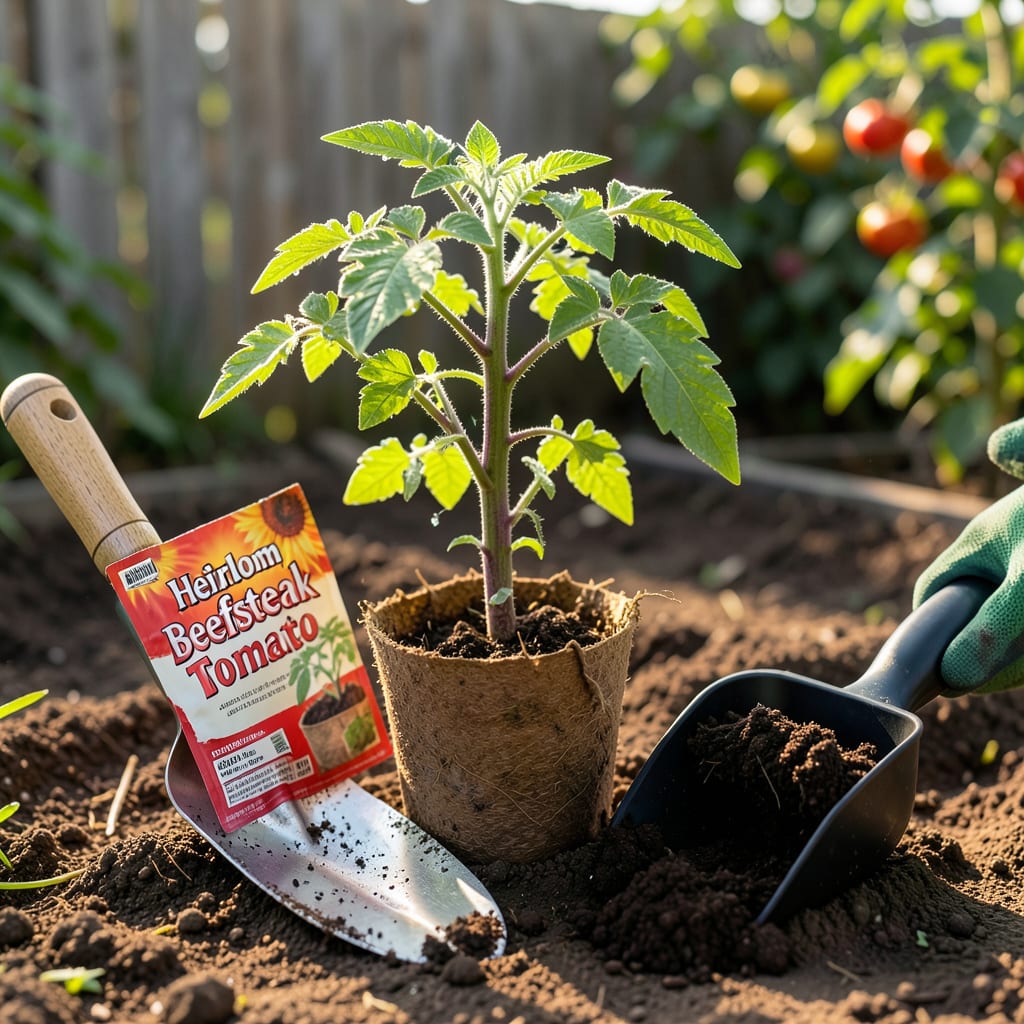
Timing your vegetable garden in Illinois can feel like a high-stakes gamble—plant too soon, and a late frost could ruin your 🌱 seedlings. Wait too long, and you might miss the prime growing window for your favorite crops.
After years of testing what works (and what doesn’t) across Illinois’ zones, I’ve cracked the code. Whether you’re in Chicago or Carbondale, I’ll show you the exact windows for cool-season and warm-season vegetables, so you get bigger harvests with less guesswork.
If you’ve ever wondered why your neighbor’s tomato plants thrive while yours struggle, it often comes down to planting timing. Illinois spans USDA zones 5a–7a, meaning your last frost date could vary by 3–4 weeks from Chicago to Carbondale. I’ll break down the exact windows for cool-season and warm-season crops so you never guess again.
First, mark these critical frost dates on your calendar: Northern Illinois (Zone 5a) typically sees its last spring frost around April 15–30, while Southern Illinois (Zone 7a) might escape frost by March 30–April 15. These dates aren’t set in stone—always check your local soil temps (aim for 50°F+ for cool crops, 60°F+ for warm).
| Zone | Last Frost | First Frost | Cool-Season Start | Warm-Season Start |
|---|---|---|---|---|
| 5a (Rockford) | April 25–May 5 | Oct 1–10 | Late March (indoors) | May 10–20 |
| 5b (Chicago) | April 15–25 | Oct 10–20 | Early April | May 5–15 |
| 6a (Springfield) | April 10–20 | Oct 15–25 | Mid-March | April 25–May 5 |
| 6b (Peoria) | April 5–15 | Oct 20–30 | Late March | April 20–30 |
| 7a (Carbondale) | March 30–April 10 | Oct 25–Nov 5 | Early March | April 10–20 |
*Adjust dates by 1–2 weeks for urban heat islands (e.g., downtown Chicago).
For cool-season crops like lettuce, spinach, and peas, aim to plant 4–6 weeks before your last frost. These thrive in 50–65°F soil and can often handle light frosts. I’ve had great success with ‘Winter Density’ lettuce sown in early March under row covers in Zone 6a—it’s ready to harvest by April!
Warm-season stars like tomatoes, peppers, and squash demand soil temps above 60°F. In Zone 5b, that’s usually mid-May, but Southern Illinois gardeners can start 2–3 weeks earlier. Pro tip: Use a soil thermometer—don’t rely on air temps! I once lost a whole flat of bell peppers by planting when air temps hit 70°F but the soil was still a chilly 55°F.
Succession planting is your secret weapon for non-stop harvests. For example, in Zone 6a, I sow radishes every 10 days from March to May, then switch to bush beans in June. This staggered approach ensures I’m never overwhelmed with a glut of veggies—or left with empty rows. Fall crops like kale and carrots can go in as early as late July for a October harvest.
Don’t overlook microclimates! A south-facing wall in Chicago can be 5–10°F warmer than an open garden bed, letting you plant heat-lovers a week earlier. Conversely, low-lying areas in Central Illinois often stay cooler and wetter—perfect for broccoli but risky for melons. I use raised beds to combat the
Illinois gardeners get three distinct planting seasons, and each favors different vegetables. I’ve tested dozens of varieties across the state, and the key is matching crops to their ideal temperature ranges. Spring’s cool soil is perfect for leafy greens, while summer’s heat brings out the best in tomatoes and peppers.
Fall often gets overlooked, but it’s my secret weapon for a second harvest. Quick-maturing crops like radishes and spinach thrive in the cooling temps. Below, I’ve broken down the top performers for each season—plus a few surprises that flourish in Illinois’ unpredictable climate.
Pro Tip: Use row covers to extend spring/fall seasons by 2–3 weeks.
For spring planting, focus on cold-hardy crops that germinate in 50–65°F soil. I always start ‘Bloomsdale’ spinach and ‘Detroit Dark Red’ beets in early April. These can handle temperatures down to 20°F once established. If you’re in Northern Illinois, wait until mid-April to direct-sow—your soil stays colder longer.
Summer is all about heat-loving plants, but timing is everything. In Zone 5b, I transplant tomatoes and peppers after May 10, but in Zone 7a, you can start as early as April 15. ‘Jalapeño’ peppers and ‘Zucchini’ squash are my top producers—they love Illinois’ humid summers. Just watch for powdery mildew on squash leaves!
Fall planting is my favorite “second chance” season. The trick? Count backward from your first frost date. For example, in Chicago (Zone 5b), sow carrots by August 1 for an October harvest. ‘Danvers’ carrots sweeten with cooler temps. I also tuck in garlic cloves in October—they’ll overwinter and be ready by next June.
Don’t forget succession planting! Instead of sowing all your bush beans at once, plant a new row every 2 weeks from May to July. This gives you a steady supply instead of a single overwhelming harvest. The same goes for lettuce—I plant ‘Buttercrunch’ every 3 weeks from March to September for continuous salads.
Finally, microclimates matter. A south-facing patio in Peoria might let you start basil a week earlier than a shady backyard. Conversely, low spots in Central Illinois stay wetter—great for celery but risky for tomatoes. I use raised beds to improve drainage in my clay-heavy soil. 🌿
Even experienced gardeners in Illinois can fall into traps that sabotage their harvests. I’ve made my share of mistakes—like planting tomatoes too early in Zone 5b only to watch them succumb to a late frost. The key is understanding Illinois’ unpredictable swings and adjusting for your specific microclimate.
One of the biggest errors I see is ignoring soil temperature. Air temps might hit 70°F in April, but if your soil is still below 50°F, seeds like beans and corn will rot before sprouting. Always use a soil thermometer—it’s saved my pepper starts more times than I can count.
⚠️ Illinois Planting Pitfalls
Fix: Use the Illinois Frost Date Tool to pinpoint your exact window.
Another common mistake is overlooking succession planting. I used to plant all my bush beans at once, then drown in a mountain of beans for two weeks. Now, I stagger plantings every 10–14 days for a steady supply. The same goes for lettuce and radishes—small, frequent plantings beat one massive harvest.
Watering mishaps also trip up new gardeners. In Illinois’ humid summers, overwatering is just as dangerous as drought. I water my tomatoes deeply 2–3 times per week, letting the top inch of soil dry out. Drip irrigation helps prevent fungal issues like early blight, which thrives in wet foliage.
Finally, don’t forget fall planting! Many gardeners assume the season ends in August, but Illinois’ long autumn is perfect for kale, carrots, and spinach. In Zone 6a, I sow ‘Lacinato’ kale by August 15 for harvests until Thanksgiving. Use row covers to extend the season even further.
By avoiding these pitfalls—testing soil temps, respecting plant spacing, and planning for fall—you’ll sidestep the frustrations I faced early on. Trust me, your tomatoes and peppers will thank you with bumper crops! 🌱
Use the USDA Plant Hardiness Zone Map and enter your ZIP code. Illinois ranges from Zone 5a (Rockford) to Zone 7a (Carbondale). For precision, check your county’s last frost date—it can vary by 2+ weeks even within the same zone!
Begin tomatoes and peppers indoors 6–8 weeks before your last frost. In Zone 5b, that’s around mid-March. Use a grow light for sturdy seedlings, and harden them off before transplanting.
Cool-season crops like spinach may survive light frosts, but tender plants (e.g., beans, cucumbers) can rot in cold, wet soil. Always wait until soil temps hit 50°F+ for cool crops and 60°F+ for warm-season varieties.
Yes! Quick-maturing crops like radishes and kale thrive in fall’s cooler temps. In Zone 6a, sow by late July for October harvests. Use row covers to extend the season by 2–3 weeks.
Chicago’s urban heat islands can be 5–10°F warmer than surrounding areas. This means you might plant tomatoes a week earlier—but watch for dry soil and pests like aphids.
