
Beautiful Plants For Your Interior
Beautiful Plants For Your Interior
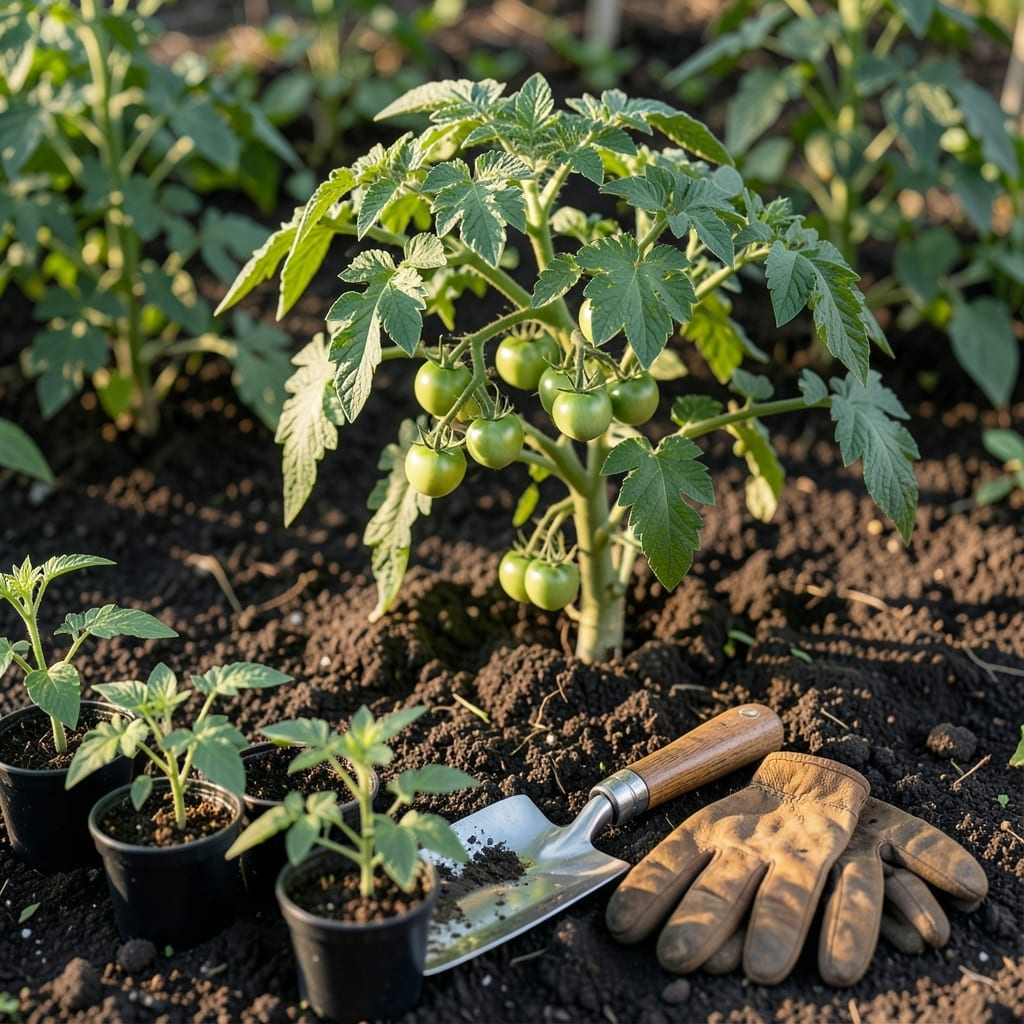
Houston’s unique climate—hot, humid, and with mild winters—means your vegetable planting schedule looks nothing like the rest of the country. Timing is everything here.
If you’ve ever watched your 🥕 Vegetables wilt in summer heat or bolt too quickly in spring, you know how frustrating poor timing can be. Zone 9a gives us a long growing window, but it also demands precision.
I’ve tested planting windows for years in Houston, and what I’ve learned will save you from common mistakes. Whether you’re new to gardening or just new to Texas, this schedule works.
Discover the exact months to start your seeds and transplants for thriving harvests. Let’s get your garden on the right track from day one.
Houston’s USDA Zone 9a climate means we can grow vegetables nearly year-round, but timing is critical. Our last frost date is around February 15, and the first frost hits near December 1, giving us about 280 frost-free days. That’s a long growing season! ☀️
Spring planting starts as early as February for cool-season crops like lettuce and broccoli, while summer favorites like tomatoes and peppers thrive when planted in March or April. Fall brings a second wave of cool-season veggies, and yes, even winter has options in Houston. 🌱
| Season | Key Months | Top Vegetables |
|---|---|---|
| Spring | Feb-April | Tomatoes, Peppers, Lettuce |
| Summer | May-July | Okra, Sweet Potatoes, Eggplant |
| Fall | Aug-Oct | Kale, Carrots, Beets |
| Winter | Nov-Jan | Spinach, Onions, Garlic |
In spring, I start cool-season crops like spinach and peas in early February. By March, I switch to warm-season plants such as cucumbers and beans. The key is to plant before the Texas heat kicks in. 🌿
Summer planting in Houston requires heat-tolerant varieties. I focus on okra, sweet potatoes, and black-eyed peas, which thrive in our humid climate. These crops can handle the intense sun and high temperatures.
Fall is my favorite season for gardening in Houston. As temperatures drop, I plant broccoli, cauliflower, and Brussels sprouts in late September. These crops love the cooler weather and often taste sweeter after a light frost.
Don’t overlook winter gardening! Houston’s mild winters allow for spinach, kale, and onions. I plant these in November for a harvest by early spring. Even in December, you can still sow garlic and shallots.
Soil preparation is just as important as timing. Houston’s clay-heavy soil benefits from compost and organic matter to improve drainage. I always test my soil pH and adjust it to 6.0-7.0 for most vegetables.
Remember, our long growing season means you can succession plant many crops. For example, after harvesting spring lettuce, I replant in late summer for a fall harvest. This keeps my garden productive year-round. 🪴
Finally, watering and mulching are crucial. Houston’s heat can dry out soil quickly, so I water deeply in the early morning and use mulch to retain moisture. This helps plants establish strong roots before the summer heat arrives.
Houston’s Zone 9a climate lets us grow vegetables nearly year-round, but some thrive better than others. I’ve found heat-tolerant varieties like Okra and Sweet Potatoes excel in summer, while cool-season crops prefer fall and winter.
For spring, start Tomatoes and Peppers in February to beat the heat. Leafy greens like Kale and Lettuce do best in fall and winter, avoiding summer’s scorch.
Don’t overlook Bush Beans and Cucumbers—both do well in spring and fall. I’ve had great success with Bush Champion cucumbers, which handle humidity better than vining types.
For herbs, Basil and Cilantro prefer spring and fall. Basil bolts quickly in summer heat, so plant it early and succession-sow every 3 weeks for continuous harvests.
Pro tip: Use shade cloth for summer seedlings. Even heat-loving plants need protection from intense afternoon sun until they’re established.
Remember, Houston’s last frost is typically February 15, but our first frost isn’t until December 1. This long season means you can often squeeze in two crops of fast growers like Radishes or Spinach.