
Beautiful Plants For Your Interior
Beautiful Plants For Your Interior
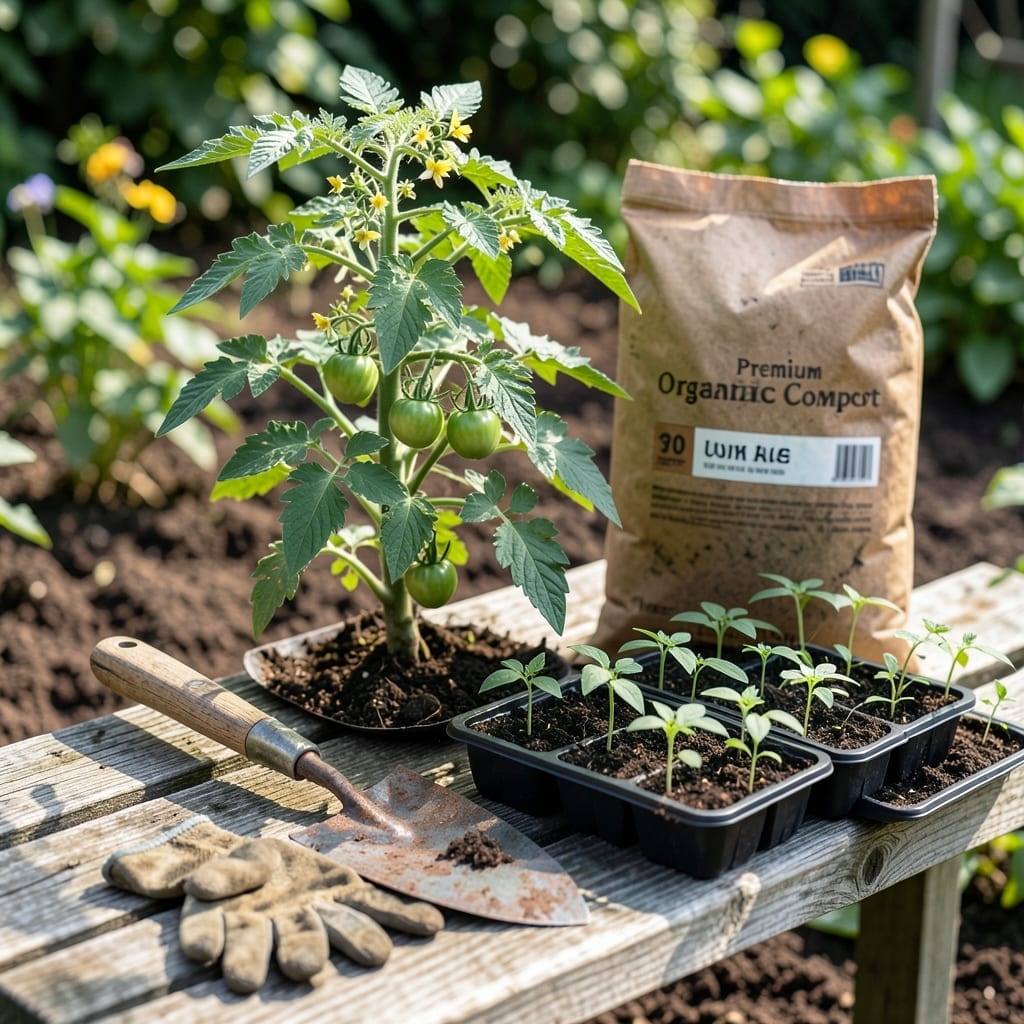
Georgia’s warm climate and long growing season make it a paradise for vegetable gardeners—but timing is everything. Plant too early, and late frosts can wipe out your crops.
Plant too late, and the summer heat will stress your 🥕 Vegetables before they mature. I’ve learned the hard way that getting this right is the difference between a bountiful harvest and a frustrating season.
After years of trial and error in zones 7b-8a, I’ve discovered the perfect windows for both spring and fall crops. Whether you’re new to gardening or have dirt under your nails for years, these timing tips will transform your results.
Discover exactly when to get each type of Vegetables in the ground for maximum success in Georgia’s unique climate.
Georgia’s USDA zones 7a-8b give us a long growing season, but timing varies by region. I’ve found that cool-season crops thrive in early spring or fall.
For warm-season vegetables, wait until after the last frost—typically April 15 in most areas. Soil temperature matters just as much as air temperature.
| Vegetable Type | Planting Months | Harvest Window |
|---|---|---|
| Lettuce | Feb-Apr, Aug-Sept | May or Oct-Nov |
| Tomatoes | Apr-May | July-Sept |
| Peppers | Apr-May | Aug-Oct |
| Squash | Apr-June | June-Sept |
| Carrots | Mar-Apr, Aug-Sept | May or Oct-Nov |
In North Georgia, the last frost date can be as late as April 20, so I delay planting heat-loving crops like eggplant until then.
Central Georgia gardeners can start tomatoes and peppers in early April, but I always check soil temperature—it should be at least 60°F.
For South Georgia, the growing season starts earlier. I’ve had success planting beans and corn as early as March in warmer years.
Don’t forget succession planting for crops like bush beans or radishes. I plant a new batch every 2-3 weeks for continuous harvests.
Fall gardening is just as productive. I start cool-season crops like kale and broccoli in late summer for a fall harvest.
Always adjust for microclimates. My low-lying garden stays cooler, so I plant warm-season crops a week later than my neighbor on a hill.
Using row covers can extend the season by protecting plants from early frosts or insect pests. 🌱
Georgia’s climate is perfect for growing a wide variety of vegetables, but each has its ideal planting window. I’ve found that tomatoes and peppers thrive when started in late March for spring or July for fall.☀️
For leafy greens like lettuce and spinach, aim for early spring or late summer to avoid the worst heat. These crops bolt quickly in Georgia’s summer temperatures.🌱
I always prioritize heat-tolerant varieties like ‘Celebrity’ tomatoes or ‘Straight Eight’ cucumbers. These handle Georgia’s humid summers far better than others.🌿
For root crops such as carrots and beets, loose, well-draining soil is key. Plant these in early spring or late summer to avoid tough, woody textures.
Succession planting is a game-changer here. I plant bush beans every 2 weeks from April to August for a steady supply. This works well for lettuce and radishes too.✂️
Don’t overlook soil temperature. Many seeds, like cucumbers and melons, need soil above 70°F to germinate. Use a soil thermometer to check before planting.