
Beautiful Plants For Your Interior
Beautiful Plants For Your Interior
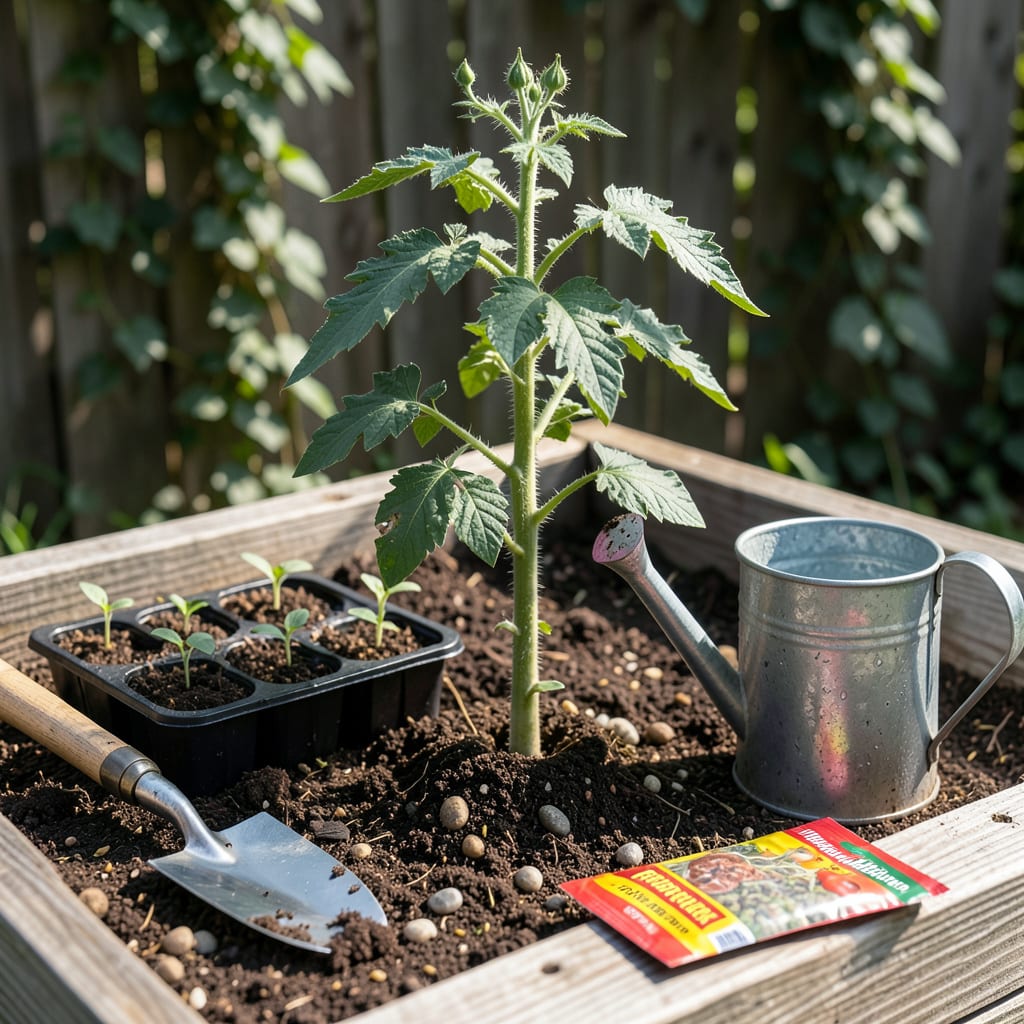
If you’ve ever watched your carefully planted vegetables wilt in Central Texas’s brutal summer heat, you know timing isn’t just important—it’s everything. This region’s unique climate demands a precise planting strategy to avoid disappointment.
From Austin’s unpredictable frost dates to San Antonio’s clay-heavy soil, I’ll show you exactly when to plant for maximum yields. Whether you’re a Hill Country newbie or a Blackland Prairie veteran, these season-specific insights will transform your garden’s success. Let’s get growing.
If you’re gardening in Central Texas, you know our USDA Zones 8a-8b bring unique challenges. The key is working around our mild winters and brutal summers. I’ve found success by focusing on two main planting seasons: spring (March–May) and fall (September–October).
Our last frost date typically falls around March 1–15 for Austin/San Antonio, while the first frost hits in late November. That gives us a long growing season—but summer heat can be tough on cool-season crops. Let’s break it down month by month.
| Month | Plant These Vegetables | Notes |
|---|---|---|
| January–February | Onions, potatoes, lettuce | Start cool-season crops indoors or under row covers. |
| March–April | Tomatoes, peppers, beans | Plant after last frost (March 15). Use mulch to retain moisture. |
| May–June | Okra, sweet potatoes, southern peas | Heat-tolerant varieties only. Water deeply 2x/week. |
| September–October | Broccoli, kale, carrots | Plant 6–8 weeks before first frost (Nov 15). |
| November–December | Garlic, spinach, radishes | Use row covers for frost protection in December. |
💡 Pro Tip: Avoid planting cool-season crops after April—they’ll bolt in summer heat.
For spring planting, I always wait until soil temps hit 60°F (usually mid-March). Tomatoes and peppers need warm soil to thrive. If you’re eager to start earlier, use black plastic mulch to warm the ground faster.
Our fall garden is often more productive than spring. The trick is planting transplants (like broccoli or cabbage) in early September so they mature before frost. I’ve had great luck with ‘Lacinato’ kale—it sweeten after light frosts.
Summer gardening in Central Texas? Stick to okra, peppers, and sweet potatoes. These thrive in 100°F+ temps with minimal care. For clay soil, amend with compost and expanded shale to improve drainage.
Don’t forget succession planting! I sow bush beans every 2 weeks in spring for continuous harvests. For leafy greens, plant in partial shade to extend their season into early summer.
If you’re in the Hill Country or Blackland Prairie, adjust frost dates by 1–2 weeks. Higher elevations (like Fredericksburg) get frost earlier. Always check your local microclimate—urban areas stay warmer longer.
For winter gardening, focus on cold-hardy greens like spinach and Swiss chard. Use hoop tunnels or cold frames to protect plants during rare hard freezes. I’ve harvested spinach all winter with just a little protection.
Remember, Central Texas gardens can produce year-round with the right planning. The key is matching plant varieties to our unique seasons—not fighting them. Happy planting! 🌱
When Central Texas summers hit 100°F+, most vegetables wilt—but not these tough performers. I’ve tested dozens of varieties, and these five heat-lovers consistently produce when others fail. The secret? Deep roots, drought tolerance, and minimal fuss.
Our June–August heat is no joke, but with the right picks, you can still harvest fresh veggies. Focus on native or adapted varieties like ‘Clemson Spineless’ okra or ‘Texas Sweet’ onions. These thrive where others burn out. Here’s my top-five list for summer success.
💡 Pro Tip: Mulch with straw or grass clippings to keep roots cool and retain moisture.
For okra and peppers, I plant in raised beds with compost-amended soil to improve drainage. Our clay-heavy ground can bake solid in summer, so loosening it with expanded shale helps roots penetrate deeper for water.
Sweet potatoes are my summer MVP—they smother weeds and handle drought like champs. Plant slips 18 inches apart in full sun, and don’t waterlog them. I’ve harvested 10+ pounds per plant with minimal effort.
If you’re new to summer gardening, start with Southern peas. They’re nearly foolproof: direct-sow seeds, water weekly, and they’ll produce even in poor soil. Plus, they add nitrogen back to your garden—win-win!
Watch for pests like aphids on peppers and okra. I spray with neem oil at dusk to avoid harming pollinators. For squash bugs, which love summer gardens, plant ‘Tromboncino’ squash—it’s more resistant than zucchini.
Remember, evening watering is key in summer. I set my drip irrigation for 6–7 AM to reduce evaporation. Avoid overhead sprinklers—they can scorch leaves in midday heat. With these picks, you’ll be harvesting while others’ gardens nap! 🌿
Even experienced gardeners make mistakes in Central Texas, where our clay soil and extreme heat demand special attention. I’ve learned the hard way that what works in other regions often fails here. Let’s tackle the most common pitfalls so you can save time, money, and frustration.
One of the biggest errors I see is ignoring soil prep. Our heavy clay compacts easily, suffocating roots and causing drainage issues. Amending with compost and expanded shale before planting makes a world of difference. Don’t skip this step!
💡 Quick Fix: Test soil moisture with your finger—if it’s damp 2 inches down, hold off on watering.
Another frequent issue is misjudging frost dates. While Austin’s last frost is typically March 1–15, the Hill Country can see frosts into early April. I lost an entire bed of tomatoes one year by planting too early. Now I wait until soil temps hit 60°F—usually mid-March.
Many gardeners also underestimate our summer intensity. Cool-season crops like broccoli and cauliflower simply won’t survive past May. Instead, focus on heat-lovers like okra, sweet potatoes, and black-eyed peas during June–August. I’ve had great success with ‘Arkansas Traveler’ tomatoes, which handle heat better than most.
Don’t forget about succession planting! I see too many gardeners plant everything at once, leading to gluts and gaps. For example, sow bush beans every 2 weeks in spring for continuous harvests. The same goes for lettuce and radishes—plant small batches weekly for steady supplies.
Finally, pest management is non-negotiable here. Our warm climate means year-round pests. I check my plants daily for egg clusters (especially on squash leaves) and remove them by hand. For tomato hornworms, I plant basil nearby—it repels them naturally. A little vigilance saves a lot of heartache later! 🪲
Plant tomato transplants after the last frost date (typically March 15 for Austin/San Antonio). For best results, wait until soil temps reach 60°F, usually mid-to-late March. Use black plastic mulch to warm soil faster if needed.
Central Texas’s mild winters allow for year-round gardening. Focus on cool-season crops (kale, spinach) in winter and heat-tolerant varieties (okra, sweet potatoes) in summer. Use row covers for frost protection in December/January.
Ignoring our clay soil is the top error. It compacts easily, suffocating roots. Always amend with compost and expanded shale before planting. Another common issue: planting cool-season crops too late—they’ll bolt in May’s heat.
Use 3-4 inches of mulch (straw or grass clippings) to keep roots cool. Water deeply 2-3 times weekly in early morning. For sensitive plants, add 30% shade cloth during peak afternoon heat. Avoid overhead watering to prevent leaf scorch.
Start fall crops like broccoli and kale in early September. Aim to plant 6-8 weeks before first frost (around November 15). Transplants work better than seeds this time of year for faster establishment.
