
Beautiful Plants For Your Interior
Beautiful Plants For Your Interior
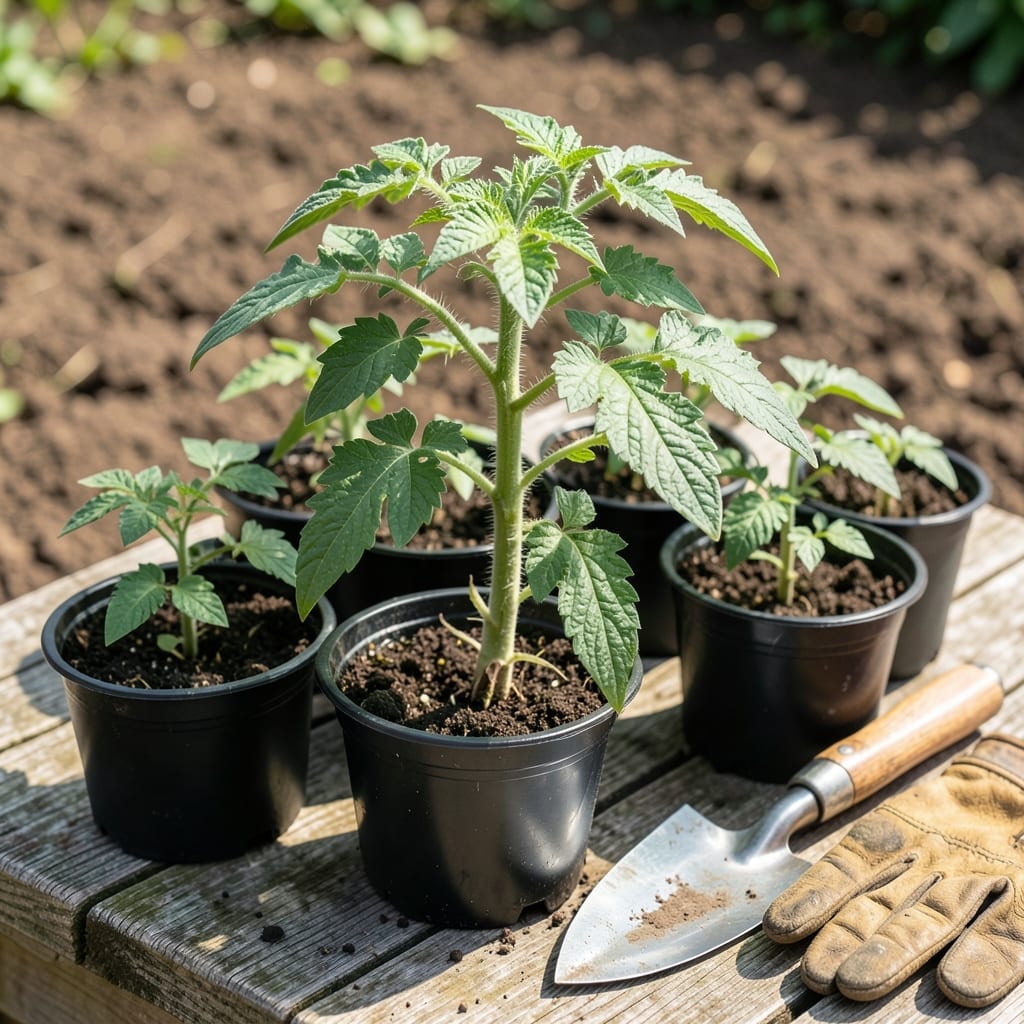
Northern California’s unique climate gives us a gardening advantage, but timing is everything when it comes to growing healthy Vegetables 🥕. Plant too early or too late, and your efforts might go to waste.
With 240 frost-free days in zone 9a, we have plenty of opportunities to get it right. The key is understanding how our mild winters and hot summers affect different crops.
I’ve spent years refining the perfect planting schedule for this region. Whether you’re in the Bay Area or Sacramento, these timing tips will set you up for success.
Discover when to start seeds, when to transplant, and how to make the most of our long growing season. Your bumper crop starts with the right timing.
Northern California’s long growing season lets us plant vegetables year-round, but success depends on timing. Cool-season crops thrive in spring and fall, while warm-season varieties need summer heat. 🌱
Our USDA zones 7-9 mean frost dates vary: coastal areas stay mild, while inland spots like Sacramento can dip below freezing. Always check your local microclimate for precision. 🌿
| Season | Crop Type | Best Months to Plant | Examples |
|---|---|---|---|
| Early Spring | Cool-Season | Feb-April | Peas, Lettuce, Spinach |
| Late Spring | Warm-Season | April-May | Tomatoes, Peppers, Beans |
| Summer | Warm-Season | May-July | Cucumbers, Squash, Corn |
| Fall | Cool-Season | Aug-Sept | Broccoli, Kale, Carrots |
| Winter | Cool-Season | Sept-Oct | Garlic, Onions, Fava Beans |
In coastal areas like San Francisco, cool summers and foggy mornings mean I plant heat-loving crops in containers or greenhouses. This extends the season for tomatoes and peppers. ☀️
For inland valleys, like Sacramento, hot summers require early morning planting to avoid stress. I also use shade cloth for delicate greens during peak heat. The last frost is typically March 15. 🌡️
Soil temperature is critical. Cool-season crops need 40-75°F soil, while warm-season ones require 70-85°F. I use a soil thermometer to check before planting. 🌱
In foothill regions, elevation affects timing. Higher up, I plant 2-3 weeks later than in the valley. Frost pockets are common, so I watch for local weather patterns. 🌿
For year-round harvests, I stagger plantings. Lettuce and radishes can go in every 2-3 weeks in spring and fall. This keeps my kitchen garden stocked without gaps. ✂️
Remember, microclimates matter. A south-facing wall can create a warmer pocket, while low-lying areas stay cooler. I map my garden’s sun exposure before choosing spots. ☀️
Finally, water deeply but infrequently to encourage strong root systems. In drought-prone areas, drip irrigation saves water and reduces foliar diseases. 💧
Northern California’s USDA zones 7-9 are perfect for growing a diverse range of vegetables. I’ve found that cool-season crops like kale and broccoli thrive when planted in early spring or late summer for a fall harvest.
For warm-season vegetables like tomatoes and peppers, wait until soil temperatures reach at least 60°F. This usually means planting after March 15, the region’s last frost date.
I always recommend starting seeds indoors for heat-loving plants like eggplant and peppers about 6-8 weeks before the last frost. This gives them a head start before moving them outside.
For coastal areas, the cool marine influence means you can often plant cool-season crops year-round. I’ve had great success with lettuce and spinach even in winter months in these zones.
Don’t forget about succession planting. I plant bush beans every 2-3 weeks from April to July for a continuous harvest. This technique works well with many fast-growing vegetables.
Remember that microclimates can vary significantly. Areas near San Francisco Bay might be cooler and foggier, while inland valleys like Sacramento get hotter summers. Adjust your planting schedule accordingly.
With the right timing and care, you’ll enjoy abundant harvests from your Northern California garden nearly year-round 🌱