
Beautiful Plants For Your Interior
Beautiful Plants For Your Interior
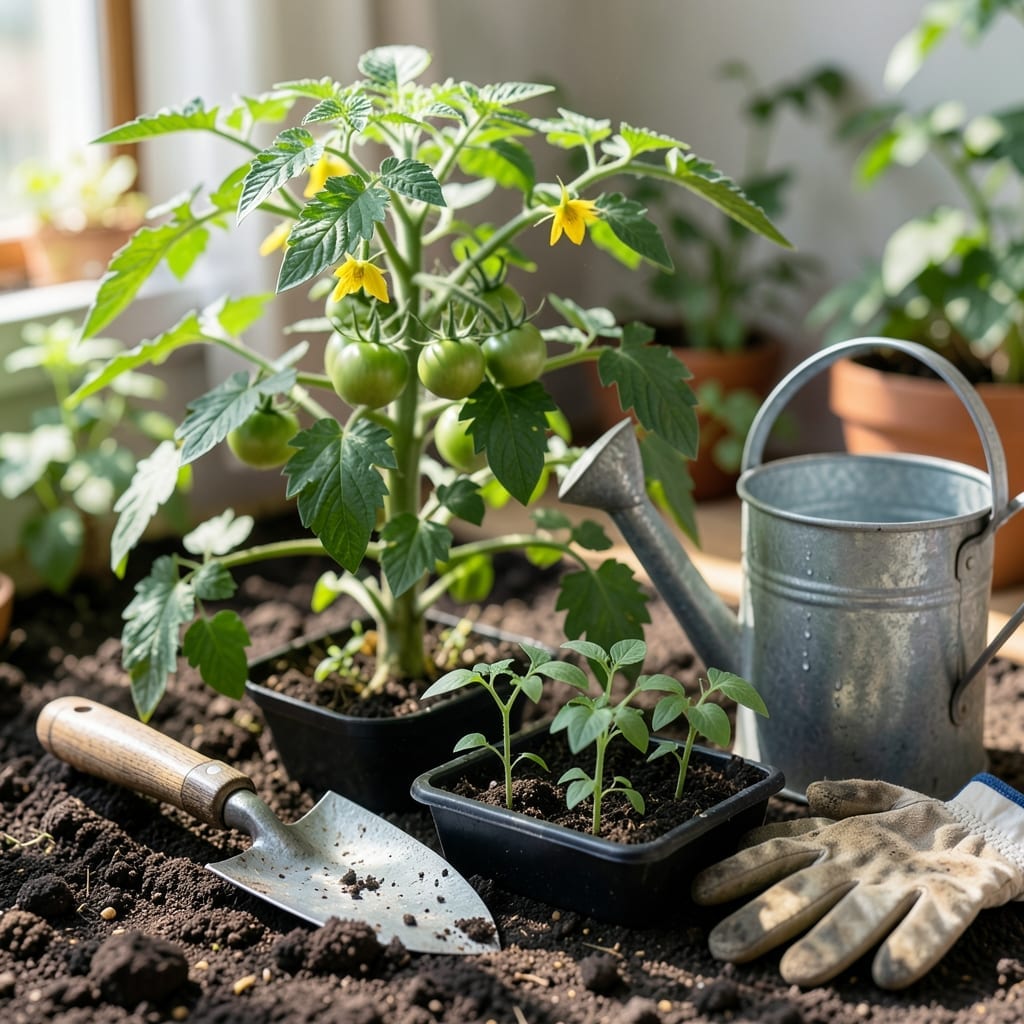
Arizona’s unique desert climate means traditional planting schedules don’t apply. Here, knowing when to start can make or break your garden.
The 🥕 Vegetables you love thrive on precise timing, especially in our 9b zone. Plant too early or late, and you’ll watch your efforts wilt in the heat or freeze in a rare cold snap.
I’ve learned the hard way that Arizona’s seasons demand a different approach. The good news? With the right calendar, you can enjoy fresh harvests nearly year-round.
Discover the exact windows to plant for a bounty from fall through spring. Let’s get your garden growing the right way, right now.
Timing is everything when you’re planting vegetables in Arizona. Our desert climate breaks the usual rules, with low desert areas like Phoenix having different needs than the high desert of Flagstaff. I’ve found success comes from working with the seasons, not against them.
For cool-season crops, I start seeds in September for harvests by November. Lettuce, spinach, and broccoli thrive in these cooler months. The key is getting them in before the first frost hits, which can be as late as December 15 in some areas.
| Season | Vegetables | Planting Months | Harvest Window |
|---|---|---|---|
| Cool | Lettuce, Spinach | Sept-Nov | Nov-Jan |
| Cool | Broccoli, Cauliflower | Sept-Oct | Dec-Feb |
| Warm | Tomatoes, Peppers | Feb-Apr | May-July |
| Warm | Okra, Sweet Potatoes | May-June | Aug-Oct |
In the low desert, I focus on heat-tolerant varieties for our long growing season. Tomatoes and peppers can go in as early as February for a spring harvest. But remember, July and August are too hot even for these tough plants.
For high desert areas above 4,500 feet, the season is shorter. I plant cool-season crops in May and warm-season ones in late June. The last frost here can be as late as June 1, so patience is key.
I always check the USDA hardiness zone for my exact location. Most of Arizona falls in zones 7-10, but microclimates can vary dramatically. A south-facing wall can create a warmer microclimate perfect for heat-loving plants.
Soil temperature matters too. I use a soil thermometer to ensure it’s at least 60°F for warm-season crops. For cool-season varieties, I aim for 40-50°F. This simple tool has saved me from many failed plantings.
Watering is another critical factor. In our arid climate, I water deeply but infrequently. For most vegetables, 1-2 inches per week is ideal. I always water in the early morning to reduce evaporation and prevent fungal diseases.
Shade cloth can be a game-changer for summer planting. I use 30-50% shade cloth for heat-sensitive plants like lettuce. It allows me to extend the growing season for some crops that would otherwise wilt in our intense sun.
Remember, these are guidelines, not strict rules. I’ve found that keeping a garden journal helps me track what works best in my specific location. Each year brings new lessons about our unique Arizona climate. 🌱
When Arizona’s summer temps soar past 100°F, most veggies throw in the towel. But I’ve found some tough plants that laugh at the heat. These varieties don’t just survive—they thrive with the right care.
My top picks include Okra, Sweet Potatoes, and Black-Eyed Peas. They’re built for dry conditions and intense sun, making them perfect for our desert climate. With a little shade cloth and consistent watering, you’ll be amazed at the results.
For best results, I mulch heavily to retain moisture and use drip irrigation to keep roots hydrated without wetting the leaves. This prevents sunscald and keeps plants happy through the hottest months.
Don’t forget to plant in blocks rather than rows. This creates a microclimate that shades the soil and reduces water loss. It’s a simple trick that makes a huge difference in Arizona’s climate.
If you’re new to desert gardening, start with one or two of these heat-tolerant varieties. They’re forgiving and will give you the confidence to expand your garden as you learn what works best in your space.
With the right vegetable choices and care techniques, your Arizona garden can produce a bountiful harvest, even in peak summer ☀️