
Beautiful Plants For Your Interior
Beautiful Plants For Your Interior
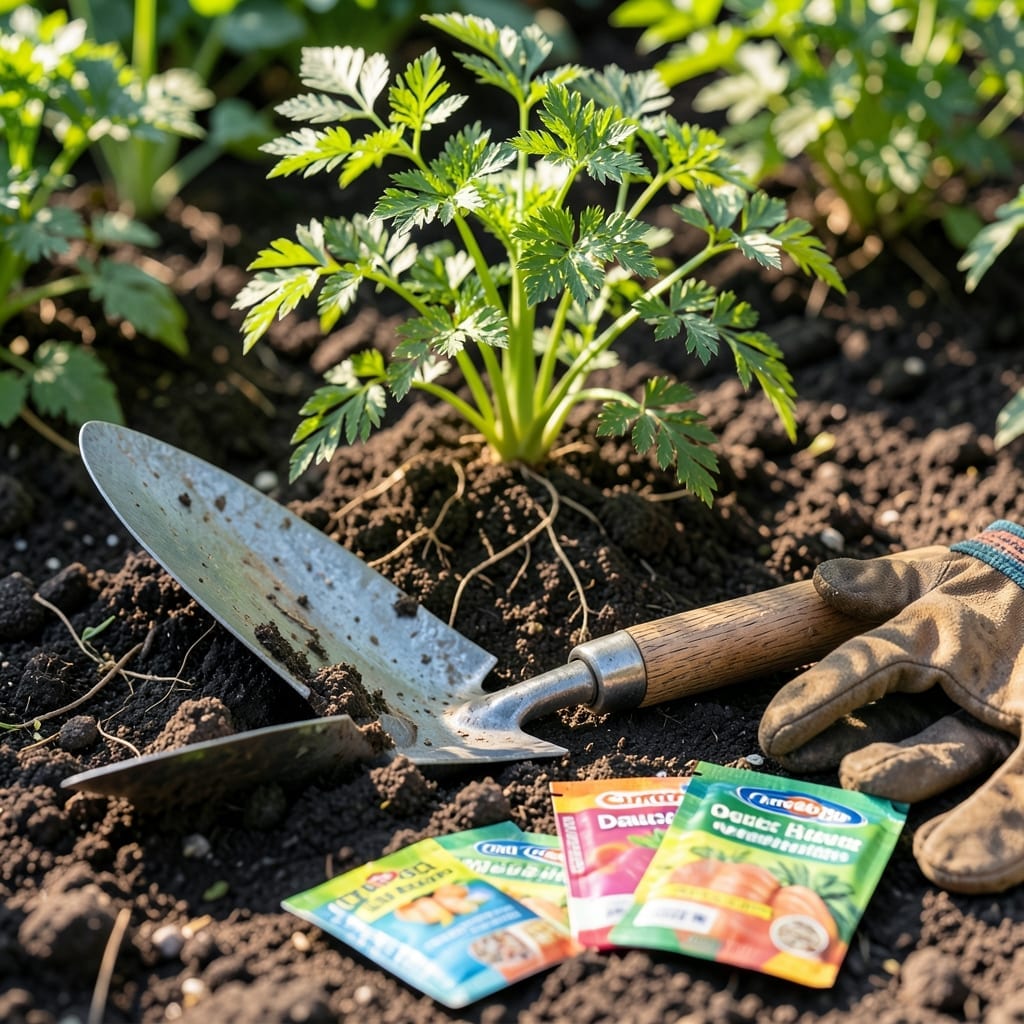
Alberta’s short growing season and unpredictable frosts make timing everything when planting 🥕 Vegetables. Plant too early, and a late frost could wipe out your seedlings.
Plant too late, and you might not get a harvest before fall’s first freeze. Getting this right is the key to a bountiful garden.
I’ve spent years testing the best windows for different crops in zones 3a-4a. What I’ve learned will save you from common mistakes.
Discover exactly when to start for bigger yields and a garden that thrives despite the challenges.
Alberta’s growing season is short, so knowing your frost dates is the key to success. The province spans zones 1-4, with Calgary in zone 4 and Edmonton in zone 3. These zones determine when you can safely plant without risking frost damage.
In zone 4, the last spring frost is typically around May 15, while the first fall frost hits around September 15. This gives you roughly 120 frost-free days to grow your veggies.
| City | Zone | Last Spring Frost | First Fall Frost | Frost-Free Days |
|---|---|---|---|---|
| Calgary | 4 | May 15 | September 15 | 120 |
| Edmonton | 3b | May 20 | September 10 | 110 |
| Red Deer | 3a | May 25 | September 5 | 100 |
| Lethbridge | 4a | May 10 | September 20 | 130 |
For cool-season crops like peas and spinach, you can plant as soon as the soil is workable, often 2-3 weeks before the last frost. These hardy plants tolerate light frosts and even thrive in cooler temps.
Warm-season crops like tomatoes and peppers need warmer soil and air. Wait until after the last frost when soil temps reach at least 60°F. In zone 3, this might mean waiting until early June for safety.
If you’re eager to start earlier, use row covers or cold frames to protect young plants. I’ve found that black plastic mulch can also help warm the soil faster in spring. Just be ready to cover plants if a late frost is forecasted.
Remember, microclimates matter. A south-facing garden or an urban area might have slightly warmer temps. Keep a garden journal to track your local conditions year to year.
For succession planting, I plant radishes and lettuce every 2 weeks for continuous harvests. This works well in Alberta’s short season and ensures I’m not overwhelmed with produce all at once.
Always check your local weather forecast before planting. A sudden cold snap can set you back weeks. I use soil thermometers to confirm conditions are right before transplanting heat-loving crops.
With careful planning and a little luck, you can maximize Alberta’s growing window and enjoy a bountiful harvest. ☀️
In Alberta, I’ve found that April is perfect for cool-season crops like peas and spinach. These hardy plants can handle light frosts. I always start these early to maximize the short season
May is when the soil warms up enough for radishes and lettuce. I plant these as soon as the ground is workable. Succession planting every 2 weeks ensures continuous harvests
Once June arrives, it’s time for warm-season crops like tomatoes and peppers. I always wait until after the last frost date, usually around May 15 in most areas
For continuous harvests, I use succession planting. After harvesting early crops like radishes, I plant another batch. This keeps my garden productive all season long
July is great for late-season crops like kale and cabbage. These can tolerate light frosts and even taste sweeter after a touch of cold
Remember, Alberta’s growing season is short, so every day counts. I always keep an eye on the weather forecast and protect tender plants if a late frost is predicted
By following this schedule, I’ve managed to get bigger yields even in challenging conditions. It’s all about working with the climate, not against it ☀️