
Beautiful Plants For Your Interior
Beautiful Plants For Your Interior
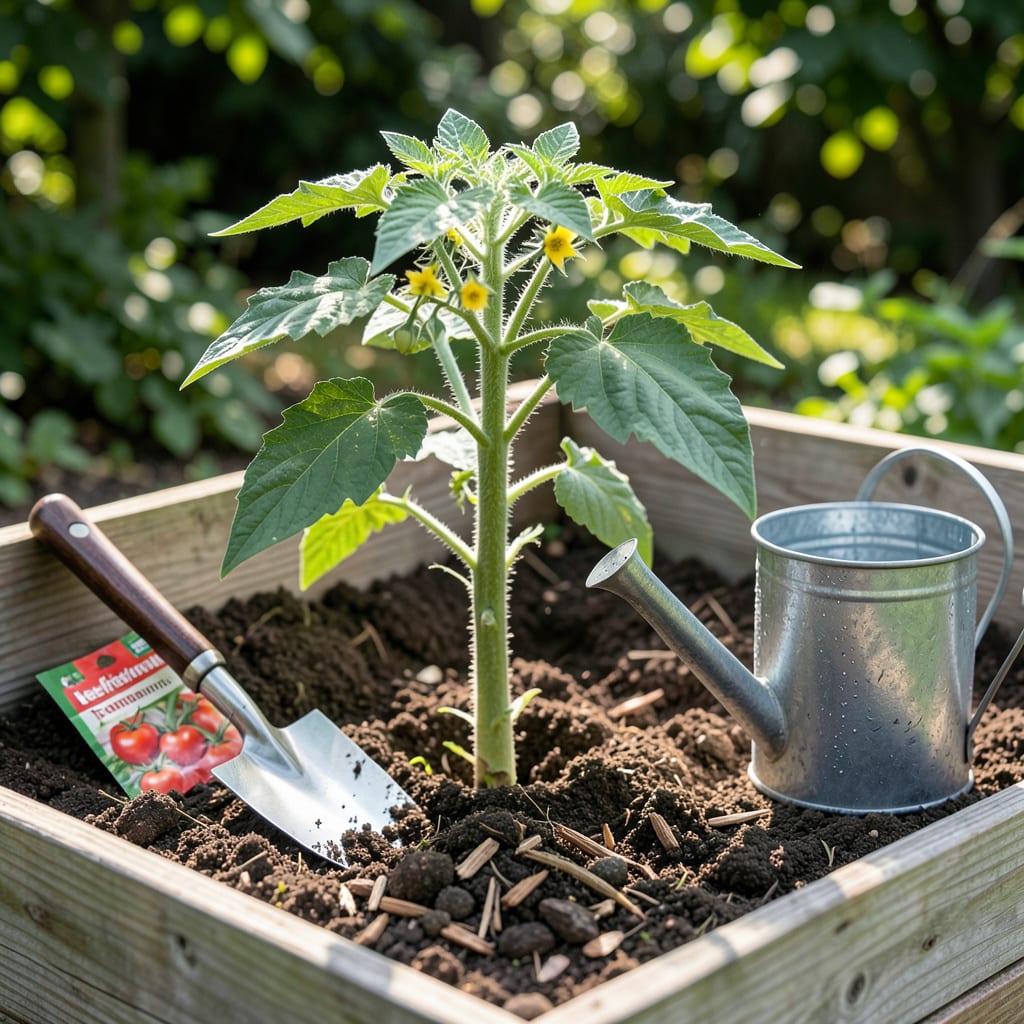
Timing your vegetable garden in Alabama can mean the difference between a bountiful harvest and a disappointing season. Plant too early, and late frosts might wipe out your seedlings. Wait too long, and the scorching summer heat could stunt your crops before they even get started.
I’ve spent years perfecting the ideal planting schedule for Alabama’s unique climate—from the cooler hills up north to the humid coastal plains. Whether you’re growing tomatoes, collards, or okra, I’ll show you exactly when to get those 🌱 vegetables in the ground for the best results. No guesswork, just a foolproof plan.
Alabama’s warm climate gives us a long growing season, but timing is critical. The state spans USDA zones 7a–9a, meaning last frost dates vary from March 15 in the south to April 15 up north. I’ll break down the best months to plant your favorites.
For cool-season crops like lettuce and broccoli, aim for late winter to early spring. Warm-season stars like tomatoes and okra thrive when planted after the last frost. Let’s dive into the specifics—your garden’s success depends on it! 🌱
| Month | Cool-Season Crops | Warm-Season Crops |
|---|---|---|
| February | Lettuce, kale, onions | Start tomato seeds indoors |
| March | Broccoli, cabbage, carrots | Plant peppers indoors |
| April | Last call for spinach | Tomatoes, okra, squash |
| May | — | Sweet potatoes, cucumbers |
| August | Start fall lettuce | Last okra harvest |
| September | Collards, turnips | — |
*Adjust dates by 2 weeks for North vs. South Alabama.
In North Alabama (zones 7a–7b), hold off on tomatoes until mid-April. Down south (zones 8a–9a), you can plant them as early as late March. Always check your local frost dates for precision.
For fall planting, count backward from the first frost (around November 15). Collard greens and kale thrive when sown in late summer for a winter harvest. Don’t forget to mulch heavily to protect roots!
Alabama’s humidity and clay soil can challenge gardeners. I recommend raised beds for better drainage and drip irrigation to keep foliage dry. This prevents fungal diseases like powdery mildew on your squash.
Pro tip: Use a soil thermometer! Tomatoes need soil above 60°F, while peas prefer 45–50°F. This small tool can save you from replanting. I’ve lost count of how many pepper plants I’ve killed by rushing them into cold ground.
If you’re in Birmingham or Huntsville, watch for late frosts in April. Coastal areas like Mobile rarely see frost after March, so you can plant heat-lovers like eggplant earlier. Always have row covers ready for surprise cold snaps!
For succession planting, sow bush beans every 2 weeks from April to July. This ensures a steady harvest instead of a single glut. The same goes for lettuce—plant a new row every 3 weeks for continuous salads.
Remember, Alabama’s summer heat can be brutal. Okra and sweet potatoes laugh at 90°F days, but lettuce bolts fast. Use shade cloth for greens in June and July, or opt for heat-tolerant varieties like ‘Jericho’ lettuce.
Finally, keep a garden journal. Note what thrived (and what flopped) each year. Over time, you’ll fine-tune your schedule for your exact microclimate. My journal saved me from repeating my failed melon experiment of 2021! 🌿
Alabama’s sweltering summers and sticky humidity can overwhelm many vegetables—but not these tough performers. After years of trial and error, I’ve found the heat-loving champions that thrive where others wilt. Let’s focus on what grows best in our climate.
First, forget delicate greens in July. Instead, plant okra, sweet potatoes, and southern peas—they laugh at 95°F days. These crops don’t just survive Alabama summers; they produce heavily when others struggle. I once harvested okra pods daily for 6 weeks straight!
*All varieties tested in Alabama’s zones 7a–9a—adjust planting by 1–2 weeks for your area.
For collard greens and kale, timing is everything. Plant them in late summer (August–September) for sweet, tender leaves all winter. I swear by ‘Georgia Southern’ collards—they’re practically pest-proof and taste better after a light frost.
Don’t overlook butterbeans (lima beans)—they’re an Alabama staple for a reason. Plant them in May or June, and they’ll produce until first frost. Soak seeds overnight for faster germination in our heavy clay soil. My grandmother’s trick? Add composted pine bark to loosen the soil.
Eggplant and cucumbers also excel here, but they need even moisture. Use drip irrigation to keep leaves dry and prevent powdery mildew. I lost an entire cucumber patch to fungus before switching to drip—now I get crisp, disease-free cukes all summer.
Struggling with clay soil? Work in 3–4 inches of compost before planting. For raised beds, mix 50% topsoil, 30% compost, and 20% perlite. This combo drains well but retains enough moisture for our humid summers. Trust me, your tomato roots will thank you!
Finally, mulch is non-negotiable. Use straw or pine straw to keep soil cool and suppress weeds. I’ve cut my watering time in half since mulching—plus, it prevents soil-borne diseases from splashing onto leaves during heavy rains. A little effort now means less work (and more harvests) later! 🌿
Even experienced gardeners make mistakes in Alabama’s tricky climate. I’ve killed my share of tomato seedlings by planting too early and watched squash vines wilt from poor watering. Let’s cover the most common pitfalls so you can avoid them this season.
The biggest error I see? Ignoring soil temperature. Alabama’s air might feel warm in March, but if the ground is still below 50°F, seeds like beans and peppers will rot before sprouting. Always use a soil thermometer—it’s saved me countless replants.
*Fix these, and you’ll double your harvest!
Another classic mistake: misjudging frost dates. Birmingham’s last frost is typically April 15, but Mobile’s is March 15. I once lost an entire bed of pepper plants by trusting a generic calendar instead of my local data. Always check your county’s frost dates!
Overwatering is just as deadly as drought here. Alabama’s clay soil holds moisture, so daily watering often drowns roots. I switched to drip irrigation on a timer—now my plants get consistent moisture without waterlogged stress. Test soil moisture by sticking your finger 2 inches deep before watering.
Don’t forget succession planting! Many gardeners plant all their bush beans at once, then face a glut followed by nothing. Instead, sow a new row every 2 weeks from April to July. The same goes for lettuce—plant small batches monthly for steady harvests instead of one overwhelming bolt-fest.
Finally, pest prevention starts at planting. Squash bugs and tomato hornworms thrive in Alabama. I now plant marigolds between rows and use row covers early on. A little planning saves me from spraying pesticides later. Keep notes in your garden journal—next year’s success depends on this year’s lessons! 🌱
North Alabama (zones 7a–7b) typically runs 2 weeks behind South Alabama (zones 8a–9a). For example, plant tomatoes in mid-April up north but as early as late March near Mobile. Always check your county’s specific frost dates for precision.
Choose heat-tolerant varieties like ‘Creole’ or ‘Arkansas Traveler.’ Plant after soil reaches 60°F (usually mid-April). Use mulch to retain moisture and drip irrigation to prevent fungal diseases. Shade cloth helps during peak summer heat.
Regular lettuce bolts quickly in summer heat. Opt for heat-tolerant varieties like ‘Jericho’ or plant in partial shade with shade cloth. For best results, grow lettuce in spring or fall when temperatures are cooler.
Amend clay soil with 3–4 inches of compost before planting. For raised beds, mix 50% topsoil, 30% compost, and 20% perlite. This improves drainage while retaining moisture—critical for Alabama’s heavy, sticky soil.
Space plants widely (e.g., tomatoes 24–36 inches apart) to improve airflow. Use drip irrigation to keep leaves dry and prevent fungal diseases. Mulch with straw or pine straw to reduce soil splashing onto plants during rain.
