
Beautiful Plants For Your Interior
Beautiful Plants For Your Interior
Timing can make or break your 🌱 turnip harvest in Tennessee’s fickle climate. Plant too early, and late frosts might wipe out your seedlings. Wait too long, and summer heat turns those crisp roots into bitter, woody disappointments.
After years of testing what works in the Volunteer State, I’ve nailed down the exact spring and fall windows for sweet, tender turnips—no matter if you’re in Memphis’ loamy soil or East Tennessee’s clay-heavy ridges. Let’s cut through the guesswork so you get it right the first time.
If you’ve ever bitten into a bitter, pithy turnip, chances are it was planted at the wrong time. Tennessee’s diverse climate zones—from West TN’s mild winters to East TN’s cooler mountains—mean your planting dates can vary by 3-4 weeks depending on where you garden. 🌱
Turnips thrive in cool weather, so timing is critical. Plant too late in spring, and they’ll bolt in summer heat. Sow too early in fall, and frost might stunt their growth. The sweet spot? Soil temps above 40°F and air temps between 60–75°F. ☀️
💡 Pro Tip: Use a soil thermometer to confirm temps are ≥40°F at 2″ depth before sowing. In clay-heavy soils (common in Middle TN), amend with compost to improve drainage.
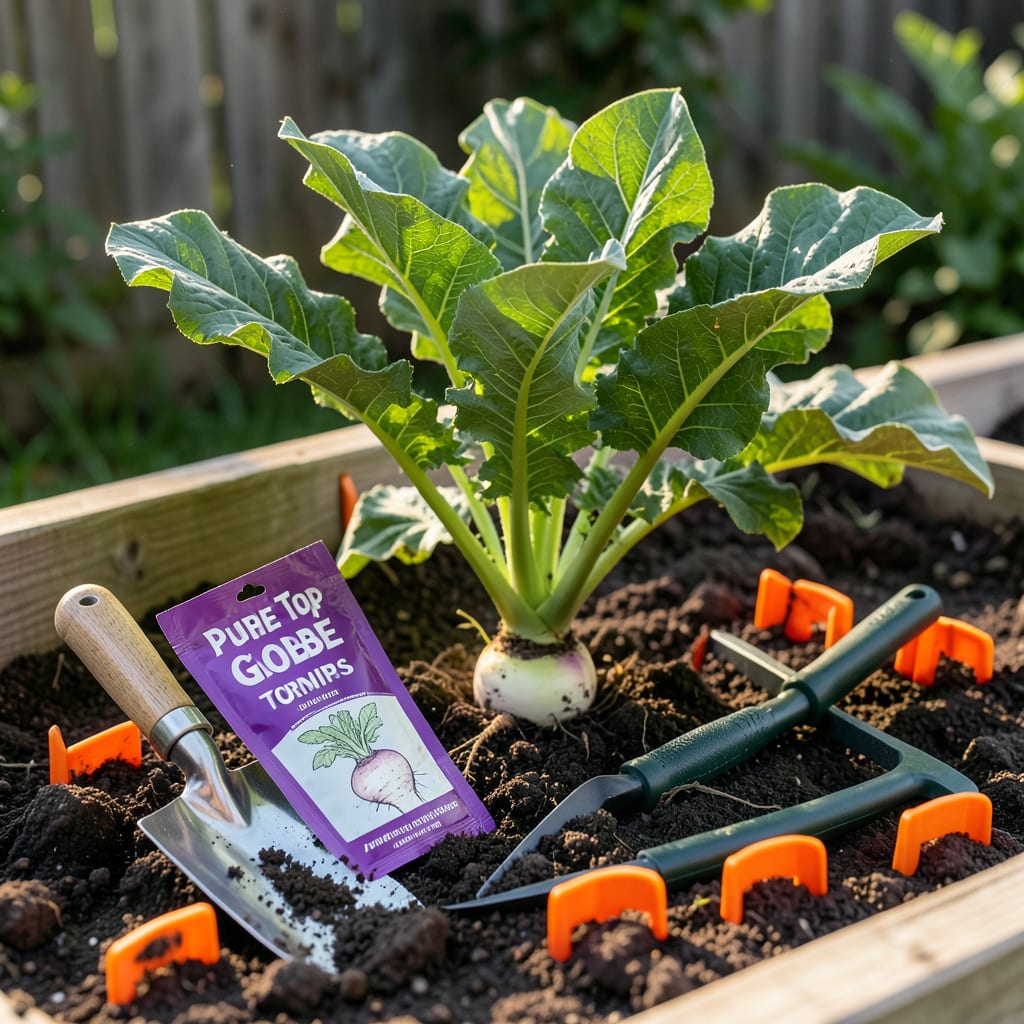
In West Tennessee, gardeners can start 2–3 weeks earlier than East TN due to milder winters. I’ve found ‘Purple Top White Globe’ performs best here—it handles early spring fluctuations better than other varieties. For fall crops, aim to harvest before hard freezes (below 25°F). 🌿
Middle Tennessee’s clay soils warm slower, so I recommend raising beds or using black plastic mulch to speed up spring planting. Fall turnips here often outperform spring crops because cooler nights enhance sweetness. Try succession planting every 2 weeks for continuous harvests.
East TN’s higher elevation means shorter seasons. I’ve had success with ‘Tokyo Cross’ (40-day maturity) for spring and ‘Hakurei’ (38 days) for fall. These fast growers beat early frosts. Use row covers to extend the season by 2–3 weeks if needed. 🌡️
For urban gardeners in cities like Nashville or Memphis, microclimates matter. South-facing walls or paved areas can create warmer pockets, allowing earlier planting. Conversely, low-lying areas may stay colder longer—adjust your dates accordingly.
No matter your region, avoid planting in summer. Turnips exposed to temps above 80°F will bolt prematurely, turning roots woody. If you miss the spring window, focus on a late-summer fall crop—it’s often more reliable in Tennessee. ✂️
Remember: Turnip greens can be harvested 2–3 weeks before roots reach maturity. This gives you two crops in one! Thin seedlings to 2–3″ apart for optimal root development, and use the thinnings in salads. 🌱
Finally, test your soil pH—turnips prefer 6.0–7.0. Tennessee’s native soils often lean acidic, so a sprinkle of lime in early spring can make a big difference. Pair with a balanced fertilizer (5-10-10) at planting for best results.
Even with perfect timing, some common mistakes can derail your Tennessee turnip crop. I’ve seen gardeners lose entire beds to issues that are easily preventable with a few tweaks. Let’s tackle the biggest offenders. 🌱
First up: planting in summer heat. Turnips exposed to temps above 80°F will bolt prematurely, turning roots bitter and woody. Stick to spring/fall windows—no exceptions. If you miss spring, focus on a late-summer fall crop instead. ☀️
Another big issue: ignoring soil pH. Tennessee’s native soils often lean acidic (below 6.0), but turnips thrive in 6.0–7.0 pH. Test your soil and amend with lime if needed. I add 1–2 cups per 10 sq ft in early spring. 🌿
Overcrowding seedlings is a silent yield-killer. If you don’t thin to 2–3″ apart, roots compete for space and stay small. The fix? Thin when seedlings hit 2″ tall—use the trimmings in salads! For greens-only harvests, space can be tighter (1″ apart). ✂️
Many gardeners also skip succession planting, missing out on weeks of harvests. In Tennessee’s long falls, I sow turnips every 2 weeks from late July to early September. This staggers maturity, so you’re not overwhelmed with 50 turnips at once. 📅
Finally, neglecting moisture leads to tough, cracked roots. Turnips need consistent watering—about 1″ per week. In clay-heavy Middle TN, mulch with straw to retain moisture. Drip irrigation works best to avoid wetting foliage (which invites disease). 💧
For East TN gardeners, don’t underestimate early frosts. Use row covers to extend the season by 2–3 weeks. In West TN, watch for late-spring heatwaves—shade cloth can save young plants from bolting. Adjust care based on your region’s quirks!
Not all turnips thrive equally in Tennessee’s humid summers and unpredictable falls. After testing dozens of varieties across the state, I’ve narrowed it down to the top performers for our climate. The right pick can mean sweeter roots and longer harvests. 🌱
For spring planting, focus on fast-maturing varieties like ‘Tokyo Cross’ (40 days) or ‘Hakurei’ (38 days). These beat the heat before bolting becomes an issue. In fall, cold-hardy types like ‘Purple Top White Globe’ or ‘Scarlet Ohno’ shine. ☀️
💡 Pro Tip: For clay-heavy Middle TN soils, choose ‘Purple Top’—its tapered shape pushes through dense earth better than round varieties. In East TN, ‘Hakurei’ excels in shorter seasons.
If you’re growing for greens only, ‘Seven Top’ is my top pick—it produces abundant leaves with minimal root development. For dual-purpose crops, ‘Purple Top’ gives you both tender greens and storage roots. 🌿
In West Tennessee’s longer falls, I recommend succession planting ‘Tokyo Cross’ every 2 weeks from late August to October. The fast maturity ensures harvests before hard frosts hit. For East TN’s cooler climate, ‘Scarlet Ohno’ can often overwinter with protection. 🌡️
Watch for disease resistance too—Tennessee’s humidity invites fungal issues. ‘Hakurei’ and ‘Tokyo Cross’ show better mildew tolerance than older heirlooms. Always rotate crops and use drip irrigation to keep foliage dry. ✂️
For container gardeners, ‘Hakurei’ and ‘Tokyo Cross’ adapt well to pots (minimum 8″ deep). Use a lightweight potting mix with added compost. In ground plantings, space rows 12–18″ apart for airflow—critical in our humid summers. 🪴
In West TN, aim for August 15–September 1 to beat the first frost. For Middle TN, plant by August 20, and in East TN, wrap up sowing by August 10. These timelines ensure roots mature before hard freezes.
Choose compact varieties like ‘Hakurei’ or ‘Tokyo Cross’ and use containers at least 8″ deep. Ensure good drainage and place in full sun (6+ hours daily). Container turnips may need more frequent watering.
Check for roots reaching 2–3″ in diameter—larger sizes can turn woody. The shoulders should peek above the soil line, and leaves will look mature but not yellowing. Harvest greens first if you prefer, leaving roots to grow.
Bolting usually means stress from heat or inconsistent watering. In Tennessee, avoid planting after May 15 for spring crops or past September 1 for fall. Use shade cloth if temps spike unexpectedly and keep soil evenly moist.
Yes! Turnips struggle in compacted clay. Work in 2–3″ of compost or aged manure before planting. For Middle TN’s heavy clay, consider raised beds or mix in sand to improve drainage. A soil test helps determine if lime is needed for pH balance.
