
Beautiful Plants For Your Interior
Beautiful Plants For Your Interior
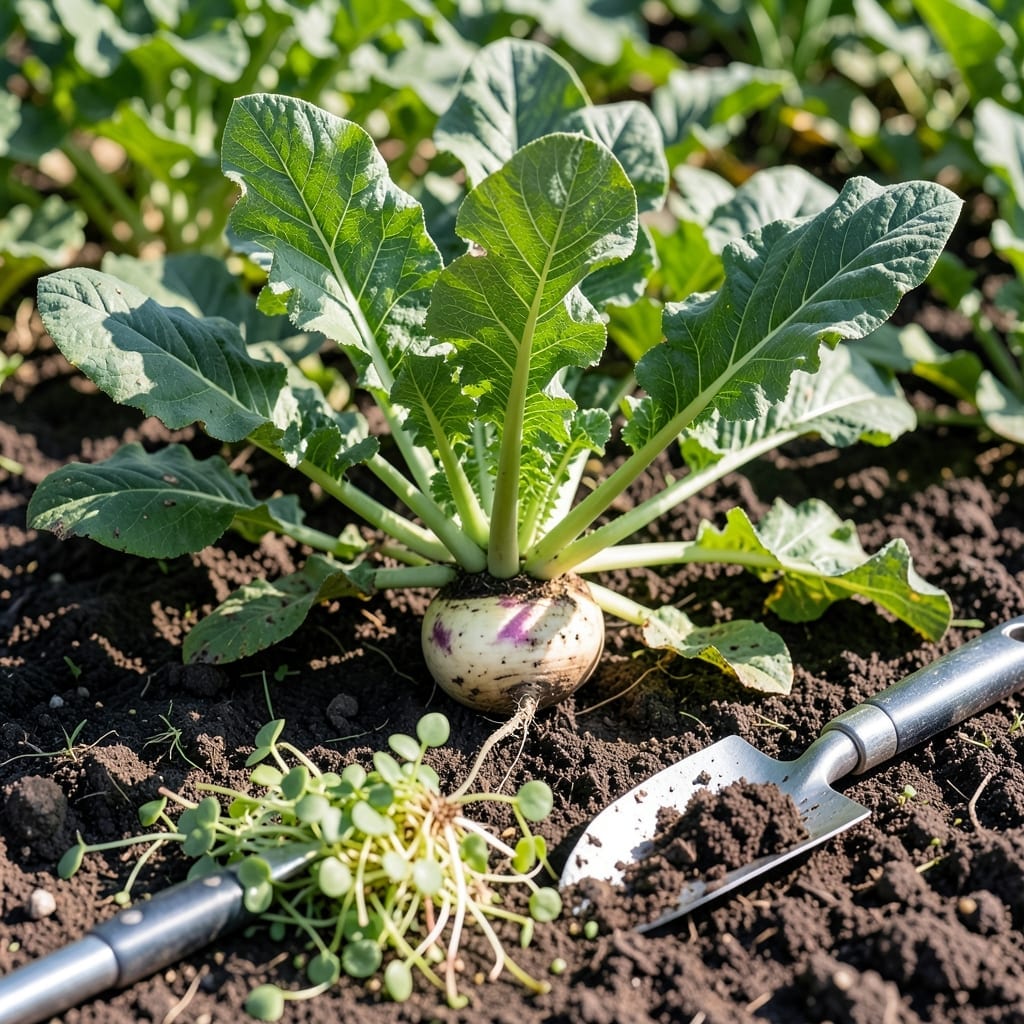
Timing is everything when planting Turnips in Pennsylvania—plant too early or too late, and you risk stunted growth or a poor harvest.
This guide breaks down the exact windows for spring and fall planting based on PA’s diverse hardiness zones. Whether you’re in Zone 6a or another area, getting the timing right makes all the difference.
I’ll show you how to align your planting schedule with Pennsylvania’s climate, so you can enjoy a bountiful harvest of fresh Turnips 🥬 when the time is right.
Discover the best practices to maximize your yield and avoid common pitfalls that many gardeners face in this region.
Pennsylvania spans USDA zones 4 through 7, which means your turnip planting schedule varies. In zone 6a, where Harrisburg sits, I’ve found late March to early April works perfectly for spring planting. The soil needs to be at least 40°F for seeds to germinate properly.
For fall crops, I aim for mid-August to early September. This gives turnips 6-8 weeks to mature before the first frost, which typically hits around October 15. Planting too late risks small, underdeveloped roots when cold weather arrives.
| Zone | Spring Planting | Fall Planting | Last Frost |
|---|---|---|---|
| 4 | Early April | Late July | May 15 |
| 5 | Mid-March | Early August | April 30 |
| 6 | Late March | Mid-August | April 15 |
| 7 | Early March | Late August | April 1 |
I always check the soil temperature with a simple thermometer before planting. Turnips won’t sprout well in cold, wet soil, so I wait until it’s consistently above 40°F. In warmer zones like 7, I can start even earlier.
For fall planting, I count backward from the first expected frost. Since turnips mature in 30-70 days, I make sure they have enough time. In zone 4, this means seeding by late July for a fall harvest.
In my experience, succession planting works well in PA. I sow a new batch every 2-3 weeks from early spring to late summer. This way, I enjoy a continuous harvest rather than one big crop.
The soil type matters too. Turnips prefer loamy, well-draining soil with a pH of 6.0-7.5. I amend heavy clay with compost to improve drainage. This prevents rotten roots during wet periods.
I’ve noticed that spring-planted turnips tend to be sweeter, while fall crops develop a deeper, earthier flavor. Both are great for fresh eating or storage. Just be sure to water consistently—about 1 inch per week—to avoid woody roots.
If you’re in a cooler microclimate, like the mountains, adjust your dates later. Urban areas with heat islands might allow earlier planting. When in doubt, I consult the local extension office for hyper-local advice.
Finally, I mark my planting dates on a calendar. It’s the easiest way to track germination times and harvest windows. With turnips, timing really is everything for a bountiful PA harvest 🌱
In Pennsylvania, both spring and fall planting offer unique benefits for turnips. Spring planting often yields tender roots and mild greens, while fall crops develop sweeter flavors after light frosts.
However, spring planting faces more pest pressure from flea beetles, while fall turnips may struggle with slow germination in cooling soil. Each season demands slightly different care strategies.
| Season | Planting Window | Flavor Profile | Pest Risk | Soil Temp |
|---|---|---|---|---|
| Spring | March-April | Mild, earthy | High (flea beetles) | 40-60°F |
| Fall | August-Sept | Sweet, crisp | Moderate | 50-70°F |
For Zone 6 gardeners in central PA, I recommend starting spring seeds in late March for an early June harvest. This timing avoids the worst pest outbreaks while maximizing growth.
Fall planting should begin in mid-August to allow 50-70 days before the first frost. The cooler temperatures enhance sugar content in the roots, making them ideal for storage.
In my experience, fall turnips often produce larger roots with fewer bolting issues. However, they require consistent moisture to prevent woody textures.
Ultimately, both seasons can work well in PA. I suggest trying succession planting—sow a small batch in spring and another in late summer to compare results in your garden. 🌱