
Beautiful Plants For Your Interior
Beautiful Plants For Your Interior
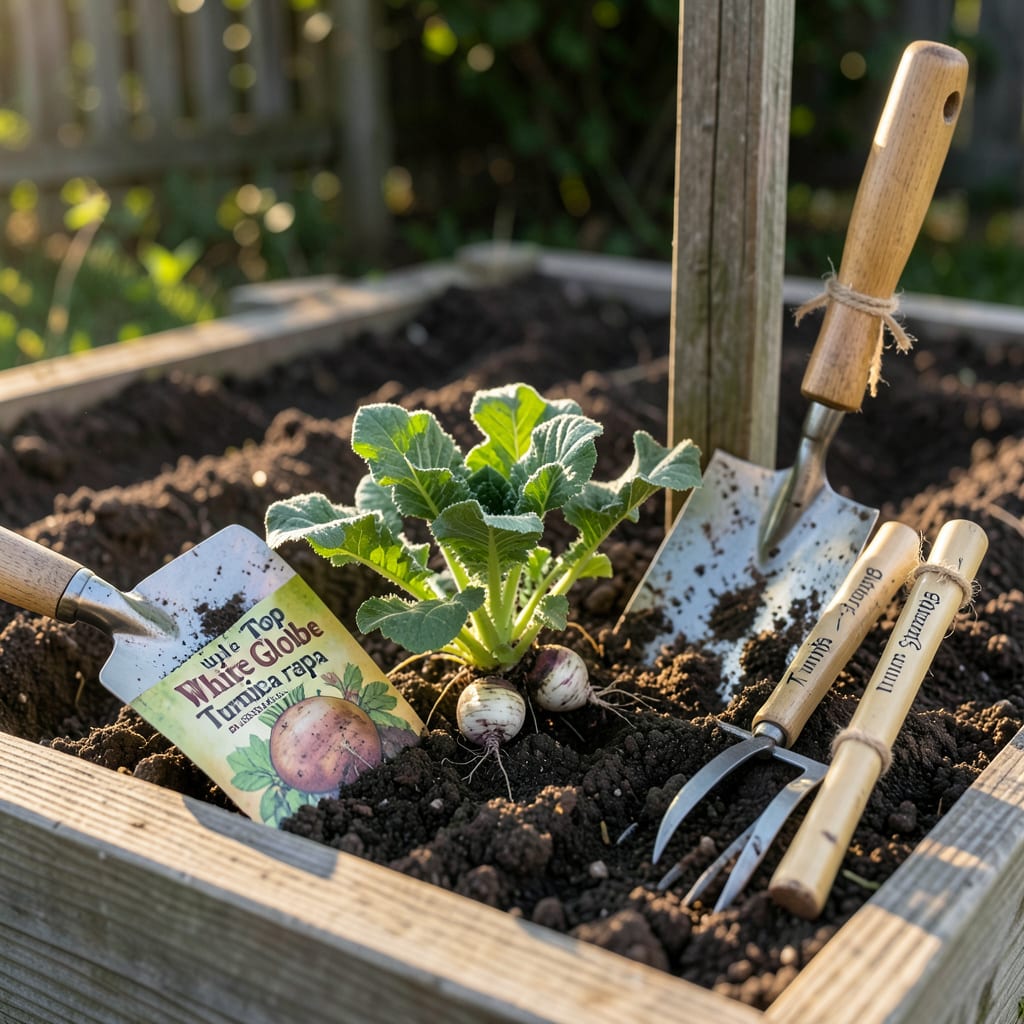
Timing can make or break your turnip harvest in North Carolina. Plant too soon, and late frosts might wipe out your crop. Wait too long, and summer heat turns those crisp roots bitter. I’ve seen both happen—perfect timing is everything.
The good news? With the right schedule, you can grow sweet, tender turnips 🥔 twice a year. Whether you’re in the Piedmont or along the coast, I’ll show you exactly when to plant for spring and fall success—no guesswork required.
If you’ve ever wondered why your turnips turn woody or bolt before maturing, chances are you missed the ideal planting window. In North Carolina, our three distinct climate zones—Coastal Plain, Piedmont, and Mountains—each demand slightly different timing. I’ll break it down so you never second-guess your schedule again.
The secret lies in working around our last frost date (April 15) and first frost (October 15). Turnips thrive in cool weather, so we’ve got two prime seasons: spring (for early summer harvests) and fall (for sweet winter roots). Let’s pinpoint those dates.
| Region | Spring Planting | Fall Planting | Soil Temp |
|---|---|---|---|
| Coastal Plain | Feb 15–Mar 15 | Aug 15–Sep 15 | 45°F+ |
| Piedmont | Mar 1–Mar 30 | Aug 25–Sep 10 | 40°F+ |
| Mountains | Mar 15–Apr 10 | Aug 10–Aug 25 | 50°F+ |
*Adjust for microclimates—urban areas may be 1–2 weeks earlier.
Notice how the Mountains region starts later? That’s because higher elevations stay cooler longer. If you’re in Asheville or Boone, don’t rush—wait until soil hits 50°F to avoid slow germination. Coastal gardeners near Wilmington can push the envelope with February plantings.
For spring crops, aim to harvest before temperatures exceed 75°F. Turnips planted after April 15 often struggle with heat stress, leading to bitter roots or premature bolting. I’ve lost count of how many gardeners ask why their turnips taste like radishes—it’s almost always a timing issue.
Fall planting is my favorite because the cooler nights enhance sweetness. Start seeds 6–8 weeks before your first frost to ensure maturity. In the Piedmont, that means getting seeds in the ground by early September. Pro tip: Use a soil thermometer—if it reads below 40°F, hold off.
What if you miss the window? Don’t panic. Succession planting every 2–3 weeks extends your harvest. I sow a small batch in late March, then another in early April for staggered pickings. Just avoid the June–July heat trap—turnips planted then will bolt faster than you can say “pesto.”
If you’re growing for turnip greens instead of roots, you’ve got more flexibility. Varieties like ‘Seven Top’ can handle slightly warmer soil (up to 60°F). But for those sweet, crisp roots, stick to the cooler windows. Trust me, your taste buds will thank you.
Still unsure? Here’s my foolproof rule: Plant when dandelions bloom in spring or when goldenrod starts yellowing in fall. Nature’s calendar is surprisingly accurate. And if all else fails, tuck a few seeds into a cold frame in late winter—you’ll get a jumpstart without the frost risk.
Remember, turnips grow fast—most varieties mature in 45–60 days. Mark your calendar for harvest time (roots at 2–3 inches in diameter) and enjoy the fruits of your perfectly timed labor. Now, who’s ready to grow the sweetest turnips in the neighborhood? 🥔🌱
North Carolina’s short winters and scorching summers can turn turnip planting into a high-stakes game. The key? Working with the climate, not against it. I’ve found that succession planting and smart variety selection can stretch your harvest from early spring to late fall—if you time it right.
First, let’s tackle the biggest challenge: avoiding the summer heat trap. Turnips planted between June and July almost always bolt or develop that dreaded bitterness. Instead, focus on two golden windows—early spring and late summer—while using these pro strategies to squeeze in extra crops.
Bonus: Coastal gardeners can push spring plantings 1–2 weeks earlier than Piedmont.
Here’s a mistake I see all the time: gardeners planting turnips in May or early June, thinking they’re beating the heat. But by the time roots form, 80°F+ temps trigger bolting. Instead, shift to shade cloth (30% density) if you must* plant late—it can buy you an extra week or two.
For fall crops, timing is even trickier. The goal is to harvest before hard freezes (below 25°F) but after enough cool nights to sweeten the roots. In the Piedmont, I start seeds August 25–September 10. Mountain growers should aim for August 10–25 to account for earlier frosts.
What if your schedule slips? Cold frames are your best friend. I’ve successfully grown turnips in unheated frames as late as October 1 in Raleigh. Just vent on sunny days to prevent overheating. Another trick: interplant with radishes. They’ll germinate fast, marking your rows while turnips catch up.
Don’t forget the soil prep timing! Turnips hate compacted soil, so I loosen beds 2 weeks before planting and mix in compost. A pH of 6.0–6.5 is ideal—test and amend a month ahead. Pro move: Solarize beds in late winter (cover with clear plastic for 4–6 weeks) to kill weeds and warm soil faster.
Finally, here’s my foolproof backup plan: If you miss the spring window, plant a small test batch in late July under shade cloth. Yes, it’s risky—but varieties like ‘Hakurei’ (salad turnips) can handle it if you keep soil moist. Just be ready to harvest small roots if heat stress hits. 🥔🌱
Not all turnips are created equal—especially in North Carolina’s diverse climate. Some varieties laugh at our humid summers, while others shiver through mountain frosts. After years of testing, I’ve narrowed down the top performers for NC gardens, each with its own perfect planting window.
The secret? Matching the variety to your growing goals. Want sweet roots for roasting? Try ‘Golden Globe’. Craving tender greens? ‘Seven Top’ is your best bet. And if you’re battling late-season heat, ‘Tokyo Cross’ might just save your harvest. Let’s dig into the details.
| Variety | Days to Maturity | Best For | NC Planting Window |
|---|---|---|---|
| Purple Top White Globe | 55 days | Roots + greens | Mar 1–Apr 1, Aug 20–Sep 5 |
| Tokyo Cross | 35 days | Heat tolerant | Mar 15–Apr 15, Aug 15–Sep 1 |
| Seven Top | 40 days | Greens-focused | Feb 20–Mar 20, Aug 10–Aug 30 |
| Golden Globe | 50 days | Sweet roots | Mar 10–Mar 30, Aug 25–Sep 10 |
| Hakurei | 38 days | Salad turnips | Mar 1–Apr 10, Aug 15–Sep 5 |
Coastal gardeners: Start 7–10 days earlier than listed.
If you’re in the Piedmont, ‘Purple Top White Globe’ is your workhorse—it handles our spring temperature swings like a champ. But in the Mountains, I’d shift to ‘Golden Globe’ for its cold tolerance. The Coastal Plain? You’ve got more flexibility—try ‘Hakurei’ for early spring salads.
Here’s a pro tip: For fall plantings, choose varieties with shorter maturity dates (like ‘Tokyo Cross’). Our first frost can sneak up fast, and you want roots to size up before cold stunts growth. I once lost a ‘Purple Top’ crop to an early October freeze—lesson learned!
Growing for greens only? ‘Seven Top’ is your best friend. It produces abundant leaves with minimal root development, perfect for sautéing. Plant it 2 weeks earlier than root-focused varieties since you’re harvesting tops, not waiting for bulbs to form.
And if you’re dealing with unpredictable weather (hello, NC!), keep ‘Tokyo Cross’ seeds on hand. This heat-resistant variety can handle late spring warm spells better than most. I’ve successfully grown it in May under 30% shade cloth when other varieties failed.
Remember, variety selection is just half the battle. Pair these picks with the planting windows from earlier sections, and you’ll be harvesting sweet, crisp turnips while your neighbors wonder why theirs bolted. Now, which variety will you try first? 🥔🌱
No, summer heat is turnips’ worst enemy. Planting in June or July causes bolting or bitter roots. Instead, wait until late August when soil temps drop below 75°F. For coastal areas, you might push to early September.
Count backward from your first frost date. In most of NC, aim for 6-8 weeks before October 15. That means seeds in ground by August 20–September 1. Mountain regions should plant 1-2 weeks earlier due to cooler temps.
Use row covers or cold frames when night temps dip below 28°F. Remove covers during daytime if temps exceed 70°F to prevent overheating. For extra protection, mulch with straw after planting.
Fast-maturing varieties like ‘Tokyo Cross’ (35 days) can be planted 2 weeks later than standard types. Greens-focused varieties (like ‘Seven Top’) tolerate slightly warmer soil. Always check seed packets for specific timing adjustments.
Yes! Use containers at least 12 inches deep with well-draining soil. Plant seeds 1/2 inch deep and keep soil moist. Place containers where they’ll get 6+ hours of sun daily. Container turnips mature faster, so check for harvest readiness at 40 days.
