
Beautiful Plants For Your Interior
Beautiful Plants For Your Interior
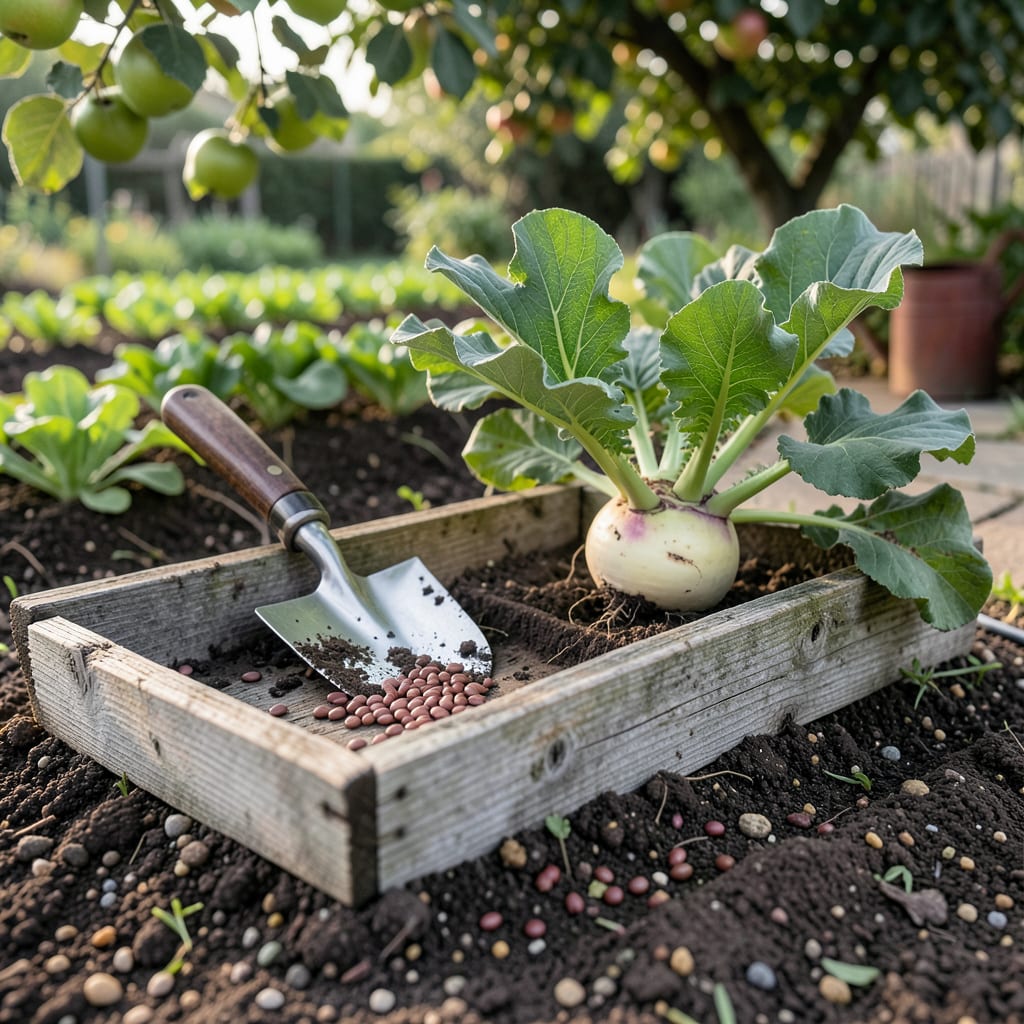
Missouri’s unpredictable springs can make or break your turnip crop—plant too soon, and a late frost could wipe out your efforts. But nail the timing, and you’ll enjoy crisp roots and tender greens all season long.
I’ve tested the ideal windows for both spring and fall plantings in Missouri’s USDA Zones 5–7, accounting for humidity swings and temperature shifts. Here’s exactly when to sow your seeds for bountiful harvests—plus the soil prep tricks that make all the difference.
Missouri’s USDA Zones 5–7 offer two prime windows for turnips: early spring and late summer. The key is working around the last frost date (April 15) and first frost (October 15). I’ve found that soil temperature—40–75°F—matters more than calendar dates.
For spring turnips, aim to sow seeds 2–4 weeks before the last frost. This gives roots time to develop before summer heat sets in. Fall plantings should go in 6–8 weeks before the first frost to avoid bitter flavors from cold snaps.
🌱 Pro Tip: Use a soil thermometer to confirm temps—don’t rely on air temperature alone!
Northern Missouri gardeners should lean toward the later end of spring windows (early April) due to cooler soils. In southern regions, you can push planting to late February if using row covers for frost protection.
Turnips thrive in loose, well-draining soil with a pH of 6.0–7.5. I mix in 2 inches of compost before sowing to boost organic matter. For spring crops, partial shade in the afternoon helps prevent bolting when temps climb.
Succession planting works beautifully in Missouri. Sow a new batch every 2–3 weeks until mid-May for continuous harvests. Fall crops benefit from light mulch to retain moisture during dry September spells.
Watch for flea beetles—they love young turnip greens. I use floating row covers until plants are 4 inches tall. Thin seedlings to 4 inches apart to avoid overcrowding, which leads to small, woody roots.
Fall turnips often taste sweeter because cooler temps convert starches to sugars. For greens-only harvests, try ‘Seven Top’ variety—it’s ready in just 30 days and perfect for Missouri’s short fall season.
If summer heat arrives early, don’t panic. Turnips can handle light frosts, so your spring-planted crop will likely survive a late April cold snap. Just cover seedlings with straw or fabric if temps dip below 28°F.
For the juiciest roots, maintain consistent moisture—about 1 inch per week. Drip irrigation works best to keep foliage dry and prevent fungal diseases common in Missouri’s humid summers.
Remember: Turnips grow fastest when days are short and cool. That’s why fall plantings often outperform spring ones in Missouri. Start your seeds in late August for a Thanksgiving harvest! 🌱
Even with perfect timing, small errors can ruin your turnip harvest. After years of testing in Missouri’s USDA Zones 5–7, I’ve identified three common pitfalls that sabotage crops—especially for beginners. Let’s fix them before you sow your seeds.
The biggest issue? Ignoring soil pH. Turnips demand a pH of 6.0–7.5. Missouri’s native clay often skews acidic, so I always test and amend with lime or wood ash if needed. Skipping this step leads to stunted roots and yellowing greens.
Another frequent mistake: misjudging seed depth. Turnip seeds need only ¼–½ inch of soil coverage. Plant too deep, and they’ll struggle to emerge in Missouri’s heavy spring rains. I use a seed tape or lightly rake soil over seeds for even coverage.
Moisture mismanagement wrecks more turnip crops than pests do. Our humid summers and dry falls demand adjustments. Spring plantings need daily checks—Missouri’s April showers can drown seedlings. Fall crops require mulch to retain moisture during Indian summer dry spells.
Many gardeners forget that turnips bolt in heat. If your spring crop faces 80°F+ temps, provide 30% shade cloth by noon. I lost an entire bed to premature bolting before learning this lesson the hard way. Fall plantings avoid this issue entirely.
Finally, don’t skip the soil prep. Turnips hate compacted ground. I double-dig my beds, mixing in aged compost and sand to improve drainage. This prevents the forked, misshapen roots that plague Missouri’s clay-heavy gardens. A little extra effort now means perfect turnips later! 🌱
Not all turnips thrive equally in Missouri’s humid summers and variable falls. After testing dozens of varieties across USDA Zones 5–7, I’ve narrowed it down to the top performers for our climate. The right choice can mean sweeter roots and more tender greens with half the effort.
For spring plantings, I swear by ‘Purple Top White Globe’—it handles Missouri’s cool, wet springs like a champ. Fall gardens shine with ‘Tokyo Cross’, which matures in just 30 days and resists bolting in our unpredictable Indian summers.
🌱 Pro Tip: For Northern Missouri, add 7–10 days to listed maturity times due to cooler soils.
If you’re short on space, ‘Hakurei’ is my secret weapon. This Japanese variety produces golf-ball-sized roots in just 38 days—perfect for container gardens on St. Louis balconies. Its high sugar content makes it ideal for Missouri’s cool fall nights.
For storage turnips, ‘Gilfeather’ (a rutabaga-turnip hybrid) holds in root cellars for 4+ months. Plant these in early August in Southern Missouri or late July up north. Their thick skins protect against our humid storage conditions.
Want dual-purpose turnips? ‘Scarlet Ohno Revival’ delivers both vibrant greens and sweet roots. I plant these in succession every 3 weeks from March through September for nonstop harvests. They’re particularly forgiving of Missouri’s clay soil when amended with compost.
Remember: Fall varieties like ‘Tokyo Cross’ taste sweeter after light frosts. In Missouri, that means planting by August 15 to catch our first frost (October 15). Spring varieties need row covers if planted before April 1 to protect against late freezes. 🌱
For fall harvests, sow seeds by September 1 in most regions. Northern Missouri gardeners should aim for August 15 to account for earlier frosts. Fall turnips mature in 30-50 days, so timing ensures sweet roots before hard freezes.
Choose compact varieties like ‘Hakurei’ and use containers at least 8 inches deep. Ensure proper drainage and place in full sun (6-8 hours daily). Container turnips need more frequent watering—check soil moisture daily during summer.
Use floating row covers or straw mulch when temps dip below 28°F. For unexpected cold snaps, water plants thoroughly before sunset—the moisture helps insulate roots. Remove covers during the day to prevent overheating.
Bolting usually occurs from heat stress or inconsistent watering. In Missouri, plant spring crops early (before April 15) and use 30% shade cloth when temps exceed 80°F. Fall plantings naturally avoid this issue.
Light frosts enhance sweetness by converting starches to sugars. For fall crops, plant 6-8 weeks before first frost (October 15). Maintain consistent moisture and harvest after 1-2 light frosts. Varieties like ‘Tokyo Cross’ become exceptionally sweet this way.
