
Beautiful Plants For Your Interior
Beautiful Plants For Your Interior
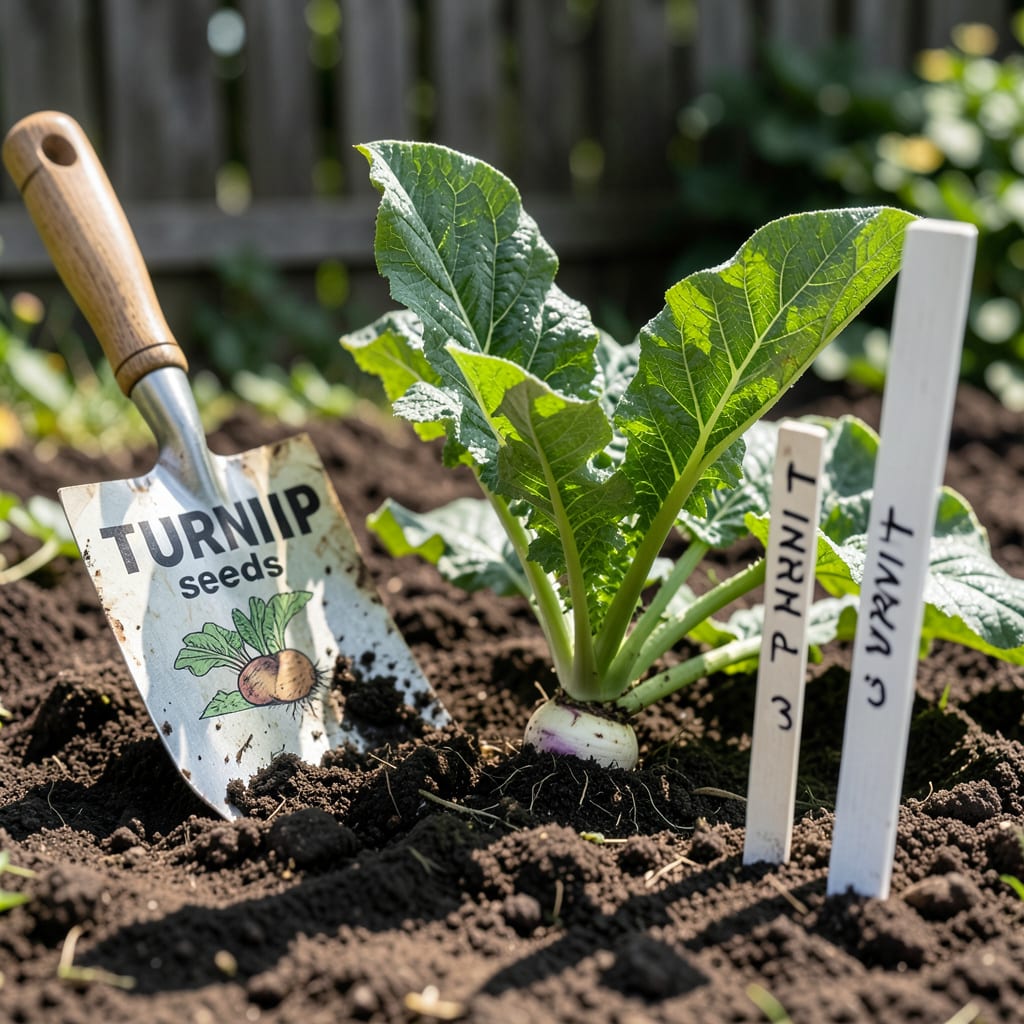
If you’ve ever pulled up woody, bitter turnips instead of those sweet, crisp roots Kentucky gardens are famous for, timing might be your issue. Those perfect 2-3 inch turnips don’t happen by accident—they’re all about hitting that just-right planting window in our Zone 6b-7a climate.
I’ve seen too many Kentucky gardeners waste seeds by planting too early in cold soil or too late when summer heat turns turnips bitter. Let me show you exactly when to get those 🥬 seeds in the ground—whether you’re aiming for a spring harvest before the heat or a fall crop that sweeten with frost’s kiss. The difference is night and day.
If you’re growing turnips in Kentucky, timing is your secret weapon. The Bluegrass State’s USDA Zones 6b–7a give us two prime windows: a spring crop (March–April) and a fall crop (August–September). Miss these, and you risk bitter roots or bolting before harvest.
Kentucky’s last frost date (around April 15) and first frost (near October 15) bookend our growing season. For spring turnips, aim to sow 2–4 weeks before the last frost when soil hits 40°F+. Fall plantings need 6–8 weeks before the first frost.
| Planting Window | Ideal Months | Soil Temp | Days to Maturity | Notes |
|---|---|---|---|---|
| Spring | March–April | 40°F+ | 45–60 days | Sow 2–4 weeks before last frost |
| Fall | August–September | 40°F+ | 45–60 days | Sow 6–8 weeks before first frost |
| Winter (Overwintering) | Late October | 35°F+ | 90+ days | Mulch heavily; harvest in early spring |
In Lexington and Louisville, urban heat islands may let you plant 1–2 weeks earlier in spring. Rural areas or higher elevations (like the Appalachian foothills) should delay by a week to avoid late frosts. Always check your local soil temperature with a thermometer.
For spring turnips, I recommend sowing in late March for a May–June harvest. Fall turnips planted in early August will mature by October, just as cooler weather sweetens their flavor. Use succession planting every 2 weeks for a continuous supply.
Kentucky’s humid subtropical climate means summer heat can turn turnips woody or bitter. Avoid planting in June–July unless you’re growing for greens only. For fall crops, shade cloth can help seedlings survive late-summer heatwaves.
Turnips thrive in loose, well-draining soil with a pH of 6.0–7.0. Work in 2–3 inches of compost before planting. Sow seeds ½ inch deep and 1 inch apart, thinning to 4 inches once sprouts appear. This spacing prevents overcrowding, which stunts root development.
If you’re new to Kentucky gardening, tap into local resources like the UK Cooperative Extension Service. Their county offices offer soil tests and planting calendars tailored to your exact microclimate. I’ve found their frost date maps invaluable for fine-tuning my schedule.
For fall turnips, consider cold-hardy varieties like ‘Gilfeather’ or ‘Hakurei’. These can handle light frosts, which actually improve their sweetness. Mulch with straw or shredded leaves to protect roots and extend the harvest into November.
Remember, turnips are fast growers—most varieties mature in 45–60 days. Keep the soil evenly moist (about 1 inch of water per week) to avoid cracked or woody roots. A drip irrigation system works wonders for consistent moisture without wetting the foliage.
Finally, don’t forget you can harvest turnip greens too! Young leaves are tender and delicious. Snip a few outer leaves per plant once they’re 4–6 inches tall, leaving the center to keep growing. This dual-harvest approach maximizes your garden’s productivity.
Even experienced Kentucky gardeners can sabotage their turnip crop with a few common mistakes. The biggest one? Planting at the wrong time. I’ve seen folks toss seeds in during June’s heat, only to end up with woody, bitter roots instead of sweet, tender ones.
Another frequent error is ignoring soil pH. Turnips need a pH of 6.0–7.0 to thrive. If your soil’s too acidic, you’ll get stunted roots and yellowing leaves. A simple soil test (available through your county extension office) can save your harvest.
One mistake I made early on was not thinning seedlings. It’s tempting to let them all grow, but overcrowded turnips won’t size up properly. Use scissors to snip extras at the soil line when they’re 2 inches tall, leaving the strongest plant every 4 inches.
Kentucky’s humid summers also bring flea beetles, which riddle leaves with tiny holes. If you spot them, cover young plants with floating row covers until they’re established. For fall crops, late-summer heatwaves can wilt seedlings—use 30% shade cloth until temps drop below 85°F.
Don’t overlook soil temperature either. Turnip seeds won’t germinate well if soil’s below 40°F. In early spring, use a soil thermometer to check depths of 2–3 inches. If it’s too cold, warm the soil with black plastic mulch for a week before planting.
Finally, resist the urge to over-fertilize. Too much nitrogen = lush tops but puny roots. Stick to a balanced 10-10-10 fertilizer at planting, then side-dress lightly with compost tea halfway through the growing season. Your turnips will thank you with sweet, crisp perfection.
If you’ve struggled with turnips before, try ‘Hakurei’ (a fast, sweet variety) or ‘Gilfeather’ (cold-hardy for fall). Both thrive in Kentucky’s climate and forgive minor timing mistakes. Pair them with radishes (which mature faster) to mark your rows and deter pests naturally.
Not all turnips thrive equally in Kentucky’s humid subtropical climate. After testing dozens of varieties in my own Bluegrass garden, I’ve found the fast-maturing, heat-tolerant types perform best. For spring plantings, you’ll want varieties that resist bolting as temps climb.
Fall crops need cold-hardy varieties that sweeten with frost. My top picks like ‘Hakurei’ and ‘Purple Top White Globe’ mature in 45–50 days, fitting perfectly into Kentucky’s short spring/fall windows. Let’s compare the best options for your garden.
| Variety | Days to Maturity | Best Season | Flavor Profile | Heat Tolerance | Cold Hardiness |
|---|---|---|---|---|---|
| Hakurei | 38–45 days | Spring/Fall | Sweet, crisp, apple-like | Moderate | High |
| Purple Top White Globe | 50–55 days | Fall | Classic turnip flavor | Low | Very High |
| Tokyo Cross | 35–40 days | Spring | Mild, slightly sweet | High | Moderate |
| Gilfeather | 60–70 days | Fall/Winter | Nutty, sweetens with frost | Low | Exceptional |
| Scarlet Ohno | 40–45 days | Spring/Fall | Mild, tender | High | High |
For spring planting, I always reach for ‘Tokyo Cross’ first. Its 35-day maturity lets me beat Kentucky’s summer heat, and the mild flavor works well in salads. If you’re planting in late March, this variety won’t bolt as easily as others.
Fall gardens demand ‘Gilfeather’—Kentucky’s frost actually improves its sweetness. I’ve left these in the ground until November with straw mulch protection. The nutty flavor develops beautifully after light frosts, making it perfect for Thanksgiving harvests.
If you want dual-purpose turnips (roots + greens), ‘Hakurei’ is unbeatable. The tender greens are ready in 30 days, while roots need just 10 more days. I interplant these with radishes to mark rows and deter pests naturally.
For container gardening on Kentucky patios, ‘Scarlet Ohno’ stays compact. Its red-purple roots add color to dishes, and the 40-day maturity fits our short seasons. Use 12-inch deep containers with drainage holes for best results.
Pro tip: Buy seeds from Southern Exposure Seed Exchange (based in Virginia) or Baker Creek Heirloom Seeds in Missouri. Both offer varieties tested in humid climates like Kentucky’s. Store extra seeds in your fridge to maintain viability for next season.
No, summer heat makes turnips woody and bitter. Stick to spring (March–April) or fall (August–September) plantings. If you must grow in summer, focus on harvesting greens only and provide shade cloth for seedlings.
Use 30% shade cloth until temperatures drop below 85°F. Keep soil consistently moist with drip irrigation—aim for 1 inch of water weekly. Mulch with straw or grass clippings to retain moisture and cool roots.
Use a soil thermometer at 2–3 inches deep—turnips need 40°F+ to germinate well. In early spring, warm cold soil with black plastic mulch for a week before planting. Your local UK Extension office can provide soil temp guidelines for your county.
Choose compact varieties like ‘Scarlet Ohno’ and use 12-inch deep containers with drainage. Fill with loose potting mix and keep in full sun (6+ hours). Water every 3–4 days—containers dry faster than garden beds.
Bolting usually means stress from heat or inconsistent watering. In Kentucky, avoid planting after May 15 for spring crops. Use row covers to protect from late frosts, and maintain even moisture. Try bolt-resistant varieties like ‘Tokyo Cross’ for future plantings.
