
Beautiful Plants For Your Interior
Beautiful Plants For Your Interior
Ever planted turnips only to end up with tiny, bitter roots? In Georgia, timing isn’t just important—it’s everything. Plant too early, and frost might ruin your crop. Wait too long, and the summer heat will turn your 🥔 turnips woody and tough.
After years of testing and tweaking, I’ve nailed the perfect windows for both spring and fall harvests. Whether you’re in Zone 8a or dealing with Georgia’s unpredictable swings, I’ll show you exactly when to get those seeds in the ground for the juiciest, sweetest results.
If you’ve ever struggled with turnips that bolt too fast or refuse to bulb, you’re not alone. Georgia’s humid subtropical climate creates unique challenges, but it also gives us two prime planting seasons. The key? Working with our USDA Zones 7a–9a and those unpredictable frost dates.
Spring turnips thrive when sown 4–6 weeks before the last frost, while fall crops need careful timing to mature before winter. I’ll break down the exact windows—plus how to adjust for North vs. South Georgia microclimates. First, let’s look at the ideal timing at a glance.
| USDA Zone | Spring Planting | Fall Planting | Days to Harvest |
|---|---|---|---|
| 7a (North GA) | Feb 15–Mar 15 | Aug 15–Sep 1 | 45–60 days |
| 8a (Central GA) | Feb 1–Mar 1 | Aug 1–Aug 20 | 40–55 days |
| 9a (South GA) | Jan 15–Feb 15 | Jul 15–Aug 1 | 35–50 days |
Note: Soil temp should be 40–75°F for germination. Use a soil thermometer for accuracy!
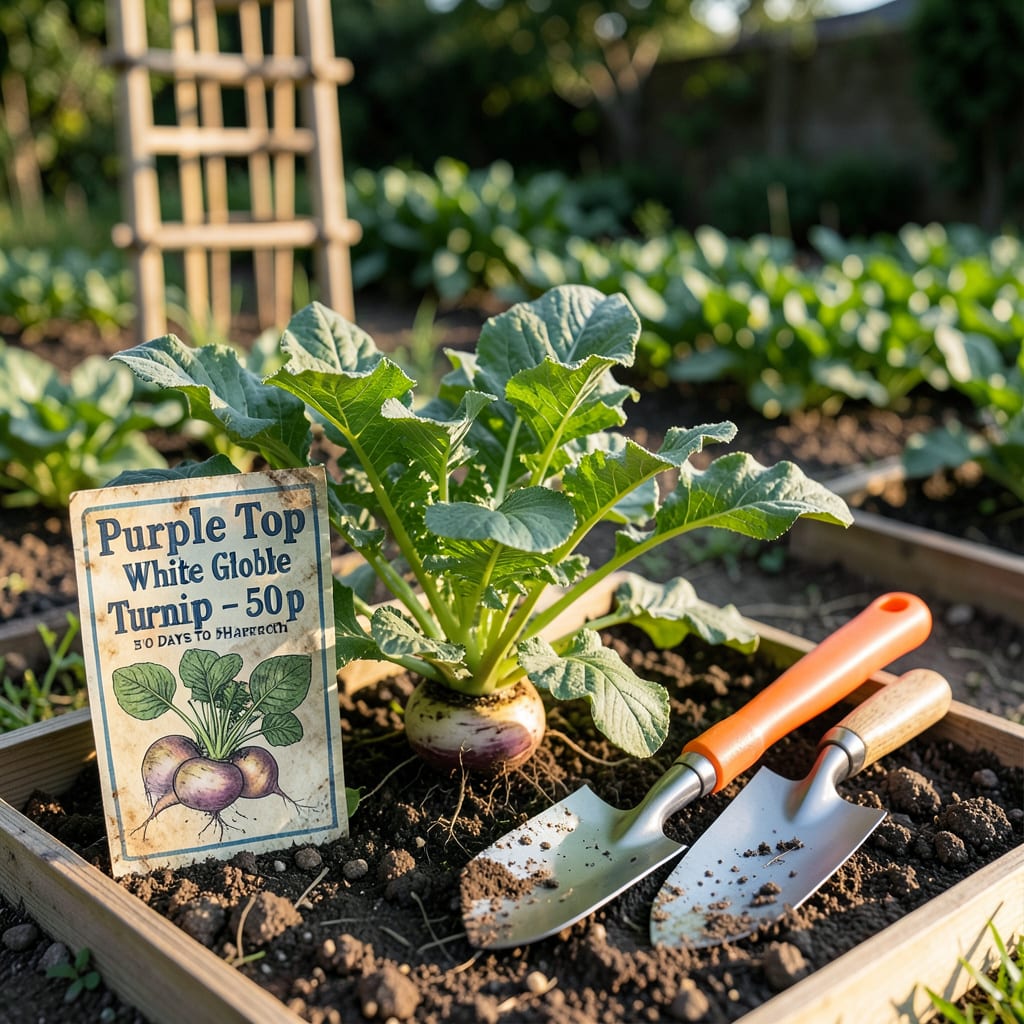
For spring turnips, aim to plant when soil temps hit 45°F—usually 4–6 weeks before your last frost. In Zone 8a, that’s often early February. I’ve found ‘Purple Top White Globe’ does exceptionally well in Georgia’s spring conditions.
The fall window is trickier. You’ll want to sow seeds 10–12 weeks before your first frost, ensuring roots mature before winter. In Atlanta (Zone 8a), that means planting by mid-August. Pro tip: Use shade cloth if late-summer heat lingers.
Soil prep matters just as much as timing. Turnips crave loose, well-draining soil with a pH of 6.0–6.5. I mix in 2 inches of compost before planting to boost organic matter. Avoid fresh manure—it can cause forked roots!
Watering is critical in Georgia’s clay-heavy soils. Keep soil evenly moist (not soggy) until germination, then taper to 1 inch per week. Drip irrigation works best to prevent fungal issues in our humid summers. Mulch with straw to retain moisture.
Watch for flea beetles in spring and cabbage worms in fall. I swear by floating row covers—they’re a game-changer for organic growers. For conventional gardens, spinosad spray at first sign of pests keeps damage minimal.
Harvest when roots reach 2–3 inches in diameter. Left too long, they’ll turn woody and bitter. Use a garden fork to loosen soil before pulling to avoid snapping roots. The greens are edible too—pick young leaves for a peppery kick!
If you’re in North Georgia, add 7–10 days to your fall planting window. Higher elevations cool faster. Coastal gardeners? You can often push spring plantings 2 weeks earlier thanks to milder winters.
For the sweetest turnips, focus on consistent moisture and quick growth. Stress from drought or heat leads to that unpleasant bitterness. I’ve had best results with ‘Tokyo Cross’ for early harvests and ‘Scarlet Ohno’ for fall storage.
Still unsure? Grab a soil thermometer—it’s the most reliable way to nail your timing. When that needle hits 40°F at 4-inch depth, you’re good to go. Happy planting, and here’s to your sweetest turnip harvest yet! 🥔
Georgia’s long growing season is a blessing—but only if you know how to work with it. I’ve found that succession planting is the secret to enjoying turnips from early spring through late fall. The trick? Staggering plantings every 2–3 weeks during your zone’s ideal windows.
For spring, start your first batch as soon as soil hits 45°F, then sow a second round 3 weeks later. This ensures a steady supply before summer heat sets in. In Zone 8a, that might mean planting February 1 and again February 22.
Pro Tip: Interplant turnips with radishes—they germinate quickly and mark your rows!
Fall turnips need extra attention in Georgia. I start seeds in late July under shade cloth, then transplant to full sun in August. This two-step method prevents heat stress during germination. For direct sowing, wait until soil temps drop below 80°F—usually after August 15 in most zones.
Don’t overlook container gardening for extending seasons. I grow turnips in 12-inch-deep pots on my patio, moving them to shade during heatwaves. Use a well-draining mix with added compost. Container turnips mature faster—often in 30–40 days—perfect for sneaking in an extra crop.
Watering consistency is critical for extended harvests. Georgia’s clay soil can dry unevenly, leading to cracked roots. I use soaker hoses on a timer for 1 inch per week, adjusting for rainfall. Drip irrigation works even better if you’re growing in raised beds.
Pest pressure increases with longer seasons. Rotate these strategies: neem oil for flea beetles, BT spray for cabbage worms, and beer traps for slugs. I’ve had great success with companion planting—turnips grow well near garlic and onions, which deter many pests.
Finally, don’t forget the greens! While waiting for roots to size up, harvest young turnip leaves for salads. Just take 2–3 leaves per plant to avoid stressing the roots. This “cut-and-come-again” approach gives you two crops in one while extending your harvest window by weeks. 🥔
Even experienced Georgia gardeners can mess up turnip timing. The biggest mistake I see? Planting during summer heat. Turnips bolt faster than you can say “peachy” when temps climb above 75°F. Stick to spring/fall windows only—no exceptions!
Another critical error is ignoring soil moisture after seeding. Georgia’s clay soil forms a crust when dry, preventing sprouts from breaking through. I always cover seeds with 1/4 inch of compost and mist daily until germination. A soil thermometer is your best friend here!
💡 Quick Fix: Use a low tunnel to extend fall planting by 2–3 weeks in North GA.
Many gardeners also misjudge fall planting dates. Remember: turnips need 45–60 days to mature. Count backward from your first frost date (Nov 15 for Zone 8a) and add 2 weeks for slower fall growth. I mark my calendar for August 1 as the absolute latest!
Overcrowding is another silent killer. Thin seedlings to 4 inches apart when they’re 2 inches tall. Crowded turnips produce tiny, misshapen roots. I use scissors to snip extras at soil level—no disturbing the keepers!
Finally, don’t forget about pest timing. Flea beetles hit hardest in early spring, while cabbage worms peak in late fall. I rotate crops annually and plant ‘Purple Top’ varieties—they’re more pest-resistant in Georgia’s climate. 🥔
Turnips germinate best when soil reaches 40–75°F. For Georgia gardeners, aim for 45°F+—typically 4–6 weeks before last frost. Use a soil thermometer for accuracy, as air temps can be misleading.
Never plant during Georgia’s summer heat! Turnips bolt (go to seed) when temps exceed 75°F. Stick to spring (Feb–Mar) or fall (Aug–Sep) windows only. Summer plantings result in bitter, woody roots.
Use floating row covers or low tunnels to extend your season by 2–3 weeks. In Zone 8a, plant by August 1 and cover when temps drop below 32°F. This prevents frost damage while allowing sunlight.
The #1 error is overcrowding. Thin seedlings to 4 inches apart when they’re 2 inches tall. Crowded turnips produce tiny, misshapen roots. Use scissors to snip extras at soil level—no pulling!
