
Beautiful Plants For Your Interior
Beautiful Plants For Your Interior
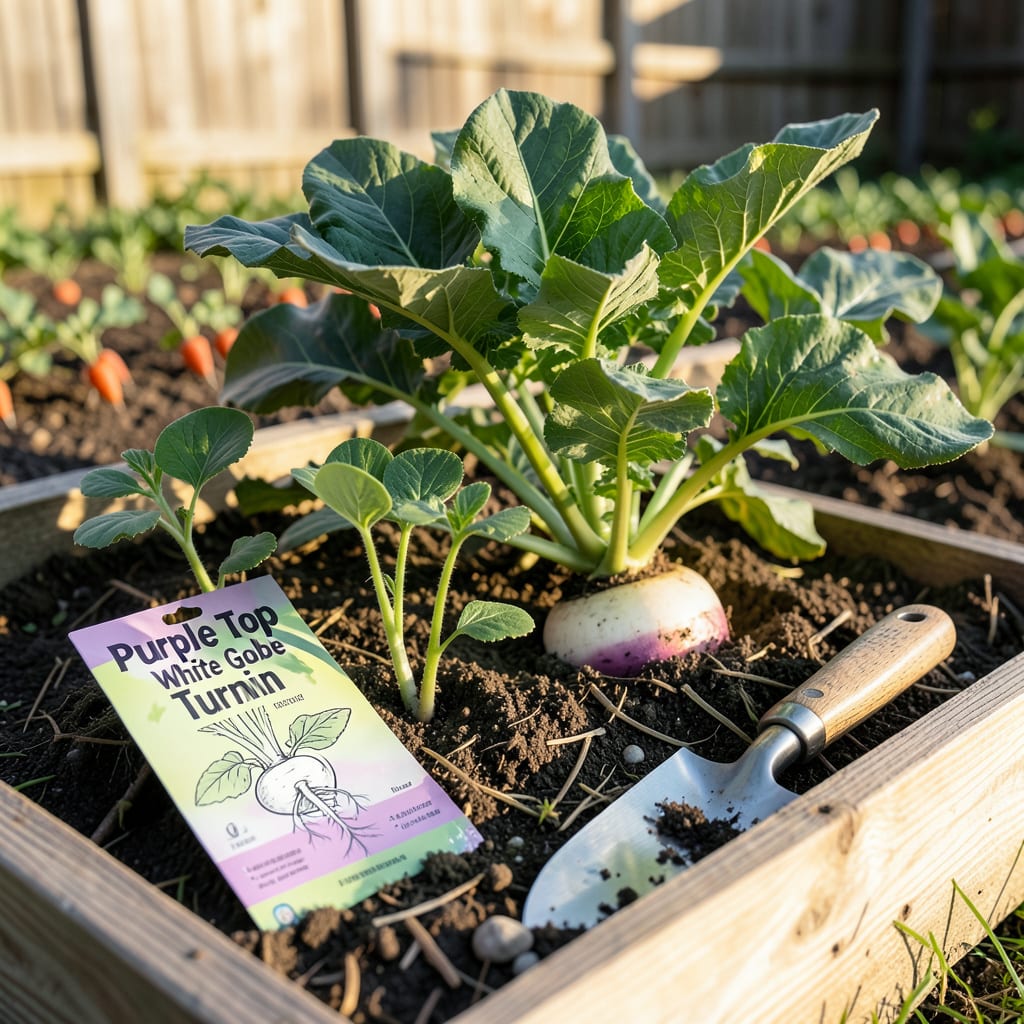
Arkansas gardeners know that timing can make or break your turnip harvest. Plant too early, and a late frost might wipe out your crop. Wait too long, and the summer heat turns those sweet roots bitter before they even mature.
After years of testing what works in Zone 7, I’ve nailed down the perfect planting windows for Arkansas—whether you’re aiming for a spring harvest or a fall bounty. Let me show you exactly when to get those seeds in the ground for the best results.
If you’re growing turnips in Arkansas, timing is your secret weapon. Our Zone 7a/7b climate gives us two prime planting windows—spring and fall—but the key is working around those frost dates. I’ve found that soil temperature matters more than calendar dates here.
For spring planting, aim for 4–6 weeks before your last frost (around April 15 in most of Arkansas). Fall turnips thrive when sown 10–12 weeks before the first frost (typically October 15). Let’s break down the exact timing for your region.
| Season | Planting Window | Soil Temp | Days to Harvest |
|---|---|---|---|
| Early Spring | Late Feb–March | 40°F–50°F | 60–70 days |
| Late Spring | April–Early May | 50°F–65°F | 50–60 days |
| Early Fall | Late Aug–Sept | 60°F–75°F | 45–55 days |
| Late Fall | Oct (for greens) | 50°F–60°F | 30–40 days |
*Adjust dates by 1–2 weeks for northern vs. southern Arkansas.
In northern Arkansas (Zone 6b), I start spring turnips 2 weeks later than Little Rock gardeners. The fall window is more forgiving—just ensure seeds go in before daytime temps drop below 75°F. Pro tip: Use a soil thermometer to hit that 60°F sweet spot.
For spring turnips, I’ve had best results planting in two batches: one in early March (for greens) and another in late March (for roots). Fall crops should go in by September 1st to avoid flea beetle pressure later in the season.
Watch the 10-day forecast before sowing. Turnips germinate poorly in waterlogged soil, so avoid planting right before heavy rains. If you’re in clay-heavy soil (common in central Arkansas), amend with compost to improve drainage before planting.
Day length affects root development—spring turnips planted after May 15 often bolt prematurely. For fall crops, shortening days actually improve sweetness. I’ve noticed ‘Purple Top White Globe’ varieties handle Arkansas heat better than most.
Succession planting works well here. Sow new seeds every 2–3 weeks until mid-April for spring, then resume in late August for fall. This staggers your harvest and prevents gluts. Remember: turnips grow fastest in cool weather.
If you’re growing for greens only, you can plant later—even into October for baby leaves. But for root development, stick to the earlier windows. I like to mark my calendar with two key dates: March 15 (spring start) and August 20 (fall start).
Finally, don’t forget to mulch heavily in fall to protect young plants from unexpected early frosts. A 2-inch layer of straw works wonders in Arkansas’s unpredictable autumns. Your turnips will thank you with sweeter roots!
I’ve seen too many Arkansas gardeners struggle with turnips because of three common mistakes that are easy to avoid. The first is planting too late in spring—once daytime temps hit 80°F, your turnips will bolt before forming proper roots. Trust me, timing is everything here.
Another big issue is ignoring soil pH levels. Arkansas soil often leans acidic, but turnips thrive in 6.0–6.5 pH. Skipping a soil test means you might be growing in conditions that stunt growth or invite disease. A simple test kit from your local extension office can save your harvest.
*Fix these, and you’ll double your harvest!
The third mistake is overlooking flea beetles, which are rampant in Arkansas fall gardens. These tiny pests chew seedlings to skeletons overnight. I always use floating row covers at planting time—it’s the only sure way to protect young turnips without chemicals.
Here’s another pro tip: don’t plant in compacted soil. Our clay-heavy ground needs loosening before sowing. I work in 2 inches of compost and avoid stepping on beds. Compacted soil leads to misshapen roots—something I learned the hard way my first season!
Watering inconsistently is another silent killer. Turnips need even moisture—too dry and they crack, too wet and they rot. I set up drip irrigation on a timer for consistency. Aim for 1 inch per week, adjusting for rain. Mulching with straw helps maintain that perfect balance.
Finally, many gardeners forget that variety selection matters. Not all turnips handle Arkansas heat equally. I’ve had best luck with ‘Purple Top White Globe’ for fall and ‘Tokyo Cross’ for spring. Always check the days to maturity—longer-season varieties planted late often fail to mature before frost.
Remember: succession planting is your friend! Don’t sow all seeds at once. I plant small batches every 2 weeks until mid-April, then resume in late August. This ensures a steady harvest and prevents gluts. Your turnips will be sweeter, and you’ll avoid waste.
Not all turnips thrive equally in Arkansas’s humid summers and mild winters. After testing dozens of varieties, I’ve found the top performers for our Zone 7 climate. The right choice can mean the difference between woody roots and sweet, tender harvests.
For spring planting, I swear by ‘Tokyo Cross’—it matures in just 35–40 days and resists bolting in our unpredictable spring weather. Fall gardens shine with ‘Purple Top White Globe’, which handles cool nights beautifully while developing deep flavor.
| Variety | Best Season | Days to Harvest | Heat Tolerance | Flavor Profile |
|---|---|---|---|---|
| Tokyo Cross | Early Spring | 35–40 | High | Mild, crisp |
| Purple Top White Globe | Fall | 55–60 | Medium | Sweet, earthy |
| Hakurei | Spring/Fall | 38–45 | Low | Buttery, tender |
| Scarlet Ohno | Late Fall | 60–70 | Very High | Spicy greens |
*Plant Hakurei in partial shade during summer to prevent bolting.
For summer success, I’ve had luck with ‘Scarlet Ohno’—its red roots stay sweet even in 90°F heat if given afternoon shade. This variety also produces edible greens that regrow after cutting, giving you two crops in one.
If you’re short on space, ‘Hakurei’ is your best bet. These golf-ball-sized turnips mature quickly and thrive in containers. I grow them in 12-inch-deep pots on my patio with great results. Just keep the soil consistently moist.
Pro tip: For extended harvests, mix varieties with different maturity dates. I plant ‘Tokyo Cross’ (35 days) and ‘Purple Top’ (60 days) together in early spring. This gives me fresh turnips for nearly two months straight without replanting.
Remember that seed freshness matters—turnip seeds lose viability after 3–4 years. I always check the packet date and do a germination test if I’m unsure. Soak seeds overnight before planting to speed up sprouting in our sometimes-cool spring soils.
Finally, don’t overlook ‘Seven Top’ if you only want greens. This variety produces no roots—just lush, tender leaves perfect for Arkansas’s mild winters. I sow it in late September for harvests through December.
In Arkansas, stop sowing by May 15 for spring crops. After this, rising temps trigger premature flowering. For insurance, I finish planting by May 1 in southern Arkansas and April 20 up north.
Use 2–3 inches of straw mulch around plants when nights dip below 32°F. For extra protection, cover with floating row fabric on cold nights. Most varieties handle light frosts, but mulch keeps soil warmer for steady growth.
Choose containers at least 12 inches deep and wide. Varieties like ‘Hakurei’ thrive in pots. Use well-draining potting mix and water daily—containers dry out faster than ground soil. Place in full sun (6+ hours).
Heat stress causes bitterness. Turnips planted after May or left too long in summer develop strong flavors. For sweet roots, harvest before temps exceed 80°F or grow heat-tolerant varieties like ‘Scarlet Ohno’ in partial shade.
Water every 2–3 days (about 1 inch per week). Clay holds moisture but drains poorly—check soil 1 inch deep before watering. Drip irrigation works best to prevent leaf diseases. Morning watering reduces evaporation in our humid climate.
