
Beautiful Plants For Your Interior
Beautiful Plants For Your Interior
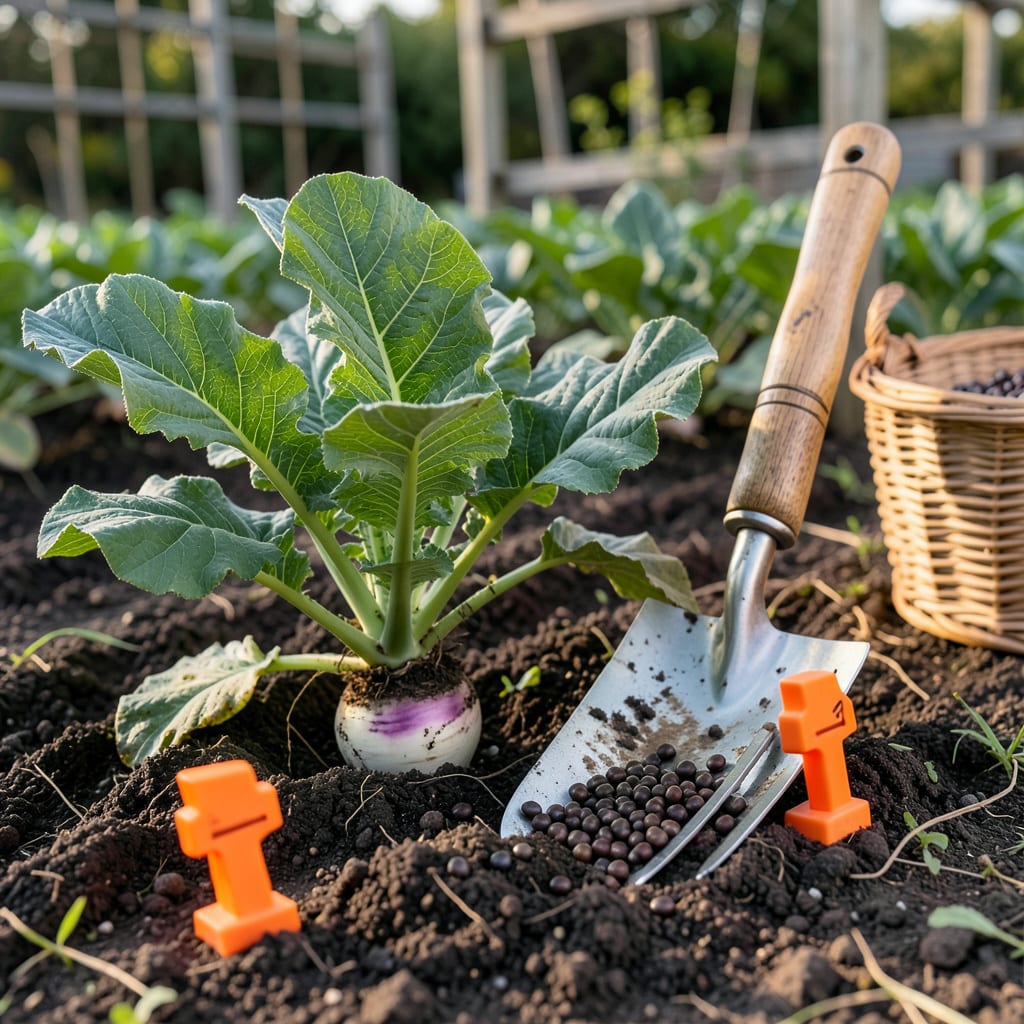
Timing can make or break your 🥬 Turnip harvest in Alabama. Plant too late, and you’ll end up with bitter, woody roots instead of the sweet, tender crops you crave. The difference between a perfect harvest and a disappointing one often comes down to just a few weeks.
After years of testing and talking to local growers, I’ve nailed down the exact planting windows for Zone 8a that deliver the best results. Whether you’re planting for fall or spring, I’ll show you how to sync with Alabama’s climate for roots so good, you’ll want to grow them every season.
If you’ve ever bitten into a bitter, woody turnip, chances are it was planted at the wrong time. In Alabama’s Zone 8 climate, timing isn’t just important—it’s everything. The key is working around our hot summers and mild winters to hit that 40°F–75°F soil sweet spot turnips crave.
I’ve found that fall plantings (late August through October) almost always outperform spring ones in Alabama. Why? Because turnips bolt fast when temps climb above 75°F, turning those tender roots into tough, inedible lumps. But don’t worry—I’ll break down the exact windows for both seasons so you get crisp, sweet turnips every time.
| Season | Planting Window | Harvest Timeframe | Key Notes |
|---|---|---|---|
| Fall (Best!) | Aug 15 – Oct 1 | Oct 15 – Dec 1 | Aim for 60°F soil temps. Avoid late Oct plantings—roots won’t size up before cold stunts growth. |
| Spring | Feb 15 – Mar 15 | Apr 15 – May 30 | Plant 4–6 weeks before last frost (Mar 15). Use shade cloth if temps exceed 75°F to prevent bolting. |
| Winter (Greens Only) | Nov 1 – Dec 15 | Dec – Feb | Focus on greens like ‘Seven Top’. Roots won’t bulk up, but leaves thrive in cool weather. |
Pro Tip: Use a soil thermometer—if temps dip below 40°F or rise above 75°F, germination slows dramatically.
For fall plantings, I start seeds 6–8 weeks before the first frost (around Nov 15 in most of Alabama). This gives roots enough time to mature in cool soil without the stress of summer heat. If you’re planting in spring, get seeds in the ground as early as possible—February is ideal in southern Alabama, while northern gardeners might wait until early March.
The soil temperature sweet spot is 60°F–70°F. Below 50°F, seeds germinate slowly; above 75°F, they bolt. I use a cheap soil thermometer (about $10 on Amazon) to take the guesswork out. If your soil’s too cold, try black plastic mulch to warm it up faster in spring.
Here’s a trick I learned from Alabama Cooperative Extension: For succession planting, sow a new batch of turnips every 2 weeks from late August to early October. This staggers your harvest so you’re not overwhelmed with turnips all at once. Just stop planting by October 15—any later, and roots won’t have time to size up before winter.
If you’re in northern Alabama (Zone 7b), shift your planting dates 1–2 weeks earlier than the table above. Down in Mobile or Baldwin County (Zone 8b/9a)? You can push fall plantings to mid-October and start spring seeds in late January. Always adjust based on your local frost dates—check with your county extension office for hyper-local advice.
Don’t forget about soil prep! Turnips thrive in loose, well-draining soil with a pH of 6.0–6.5. I work in 2–3 inches of compost before planting and avoid fresh manure—it can cause forked roots. For clay-heavy Alabama soil, mix in sand or perlite to improve drainage.
For spring plantings, watch the 10-day forecast like a hawk. If nighttime temps are consistently above 60°F, your turnips will bolt before forming decent roots. That’s when I switch to shade cloth (30–50% density) to keep soil cooler. Fall is far more forgiving—cool nights actually sweeten the roots!
Lastly, if you’re growing turnips for greens only (like ‘Seven Top’), you can plant later into fall or even winter. The leaves handle light frosts like champs, and you can harvest them 30–40 days after sowing. Just protect young plants with row covers if temps dip below 25°F.
Ready to get planting? Grab your seeds, check that soil temp, and mark your calendar for August 15—that’s when I start my first fall batch every year. Trust me, your taste buds will thank you when you pull up those crisp, sweet turnips in October! 🌱
Even with perfect timing, a few common mistakes can sabotage your Alabama turnip crop. I’ve seen gardeners throw away months of work because they overlooked simple details. The good news? These issues are easy to fix once you know what to watch for.
First up: planting too late in spring. When soil temps climb above 75°F, turnips bolt faster than you can say “bitter roots.” That’s why I never plant after March 15 in most of Alabama—unless I’m using shade cloth to cool the soil. Spring turnips need to mature before the heat hits.
🌡️ Planting Too Late in Spring
Soil above 75°F = bolted, bitter turnips. Stick to Feb 15–Mar 15 plantings.
🧪 Ignoring Soil pH
Turnips need pH 6.0–6.5. Test your soil—Alabama’s clay often skews acidic. Add lime if needed.
🌱 Overcrowding Seeds
Thin to 4–6″ apart or roots stay stunted. Crowding also invites pests like flea beetles.
Fix these three, and you’ll double your harvest quality overnight.
The second mistake is ignoring soil pH. Alabama’s clay-heavy soil often tests too acidic for turnips, which prefer a neutral pH (6.0–6.5). I always do a quick soil test before planting—you can grab a kit for $10 at any garden center. If your pH is off, work in pelletized lime a few weeks before sowing.
Third on the list: overcrowding seedlings. It’s tempting to leave all those little sprouts, but turnips need 4–6 inches of space to form proper roots. I thin mine when they’re 2 inches tall, using scissors to snip extras at soil level. Bonus: those thinnings make great microgreens for salads!
Here’s another sneaky issue—inconsistent watering. Turnips need 1 inch of water weekly, but drought stress makes roots woody and cracked. I set up a drip irrigation system on a timer to keep moisture even. If you’re hand-watering, do it in the early morning to reduce evaporation.
Finally, don’t skip the mulch. A 2-inch layer of straw keeps soil temps stable and prevents crusting, which can block emerging seedlings. In fall, mulch also protects roots from temperature swings that can stunt growth. I’ve found this simple step cuts my watering needs by 30% while improving root quality.
Remember: turnips grow fast—just 40–60 days to harvest. That means mistakes show up quickly too. But fix these five issues, and you’ll be pulling up sweet, crisp turnips that’ll make your neighbors jealous. Now grab that soil test kit and get planting! 🪴
Not all turnips thrive in Alabama’s steamy summers and mild winters. After testing dozens of varieties, I’ve narrowed it down to the top performers that handle our Zone 8 heat without bolting prematurely. The right cultivar can mean the difference between a bountiful harvest and a garden flop.
For spring plantings, I swear by ‘Tokyo Cross’—it matures in just 35 days and resists bolting better than most. But if you’re all about those classic purple-top roots, ‘Purple Top White Globe’ (42 days) is my go-to for fall. Both deliver sweet, tender roots that stay crisp even in our humidity.
Pro Tip: For succession planting, mix fast (‘Hakurei’) and slow (‘Purple Top’) varieties to extend your harvest window.
If you’re growing turnips primarily for greens, ‘Seven Top’ is unbeatable. It produces abundant leaves with minimal root development—perfect for Southern-style turnip greens. I plant it in late summer for winter harvests, as the leaves actually sweeten after frost.
For container gardeners, ‘Hakurei’ is my top pick. Its small, round roots (think radish-sized) thrive in 12-inch-deep pots, and the entire plant is edible—roots and greens. Just keep pots in morning sun to prevent soil from overheating.
Watch out for ‘Gilfeather’—while it’s a Northern favorite, it struggles in Alabama’s heat. I’ve seen it bolt before forming usable roots. Stick to varieties with 40 days or less to maturity for our climate. And always direct-sow—turnips hate transplantation shock.
Remember: The best variety depends on your goal. Want quick harvests? Go with ‘Tokyo Cross’. Craving storage turnips? ‘Purple Top White Globe’ keeps for months in a root cellar. Prefer greens over roots? ‘Seven Top’ delivers. Match the variety to your needs, and you’ll never be disappointed! 🪴
Turnips struggle in Alabama summers when temps exceed 75°F. They bolt quickly, producing bitter, woody roots. Stick to fall (Aug–Oct) and early spring (Feb–Mar) plantings for best results.
Sow seeds ½ inch deep in well-draining soil. Planting too deep delays germination, while shallow planting risks drying out. Keep soil moist until sprouts appear in 5–10 days.
Cool weather is key! Plant 6–8 weeks before first frost (fall) or 4–6 weeks before last frost (spring). Consistent moisture and soil pH 6.0–6.5 also boost sweetness.
Choose 12-inch-deep pots and compact varieties like ‘Hakurei’. Ensure drainage holes and water every 3–5 days. Containers dry faster than garden beds.
