
Beautiful Plants For Your Interior
Beautiful Plants For Your Interior
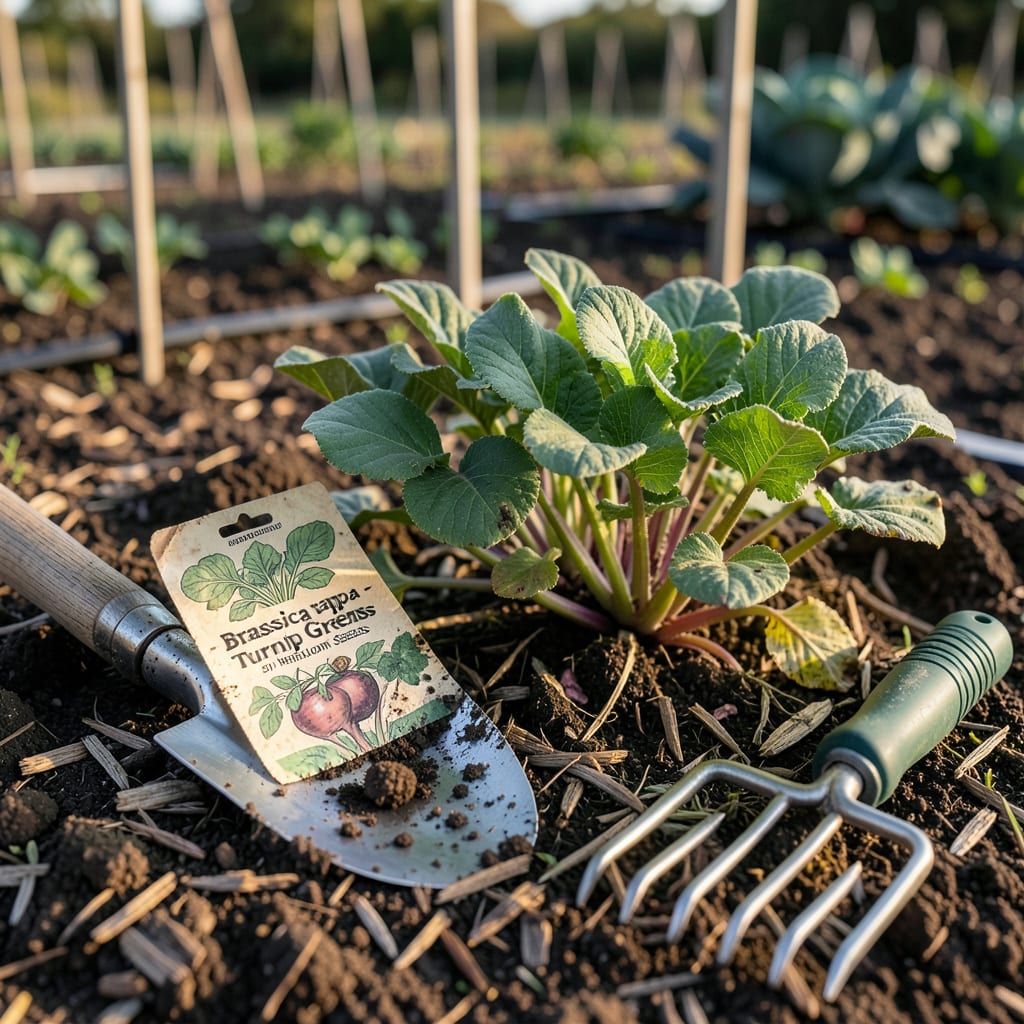
Tennessee gardeners know timing can make or break your turnip greens harvest. Plant too early, and a late frost might wipe out your crop. Wait too long, and the summer heat turns those tender leaves bitter before you can enjoy them.
After years of testing different approaches across the state’s varied climates, I’ve pinpointed the perfect planting windows for each region. Whether you’re in the cooler eastern mountains or the warmer western plains, you’ll discover exactly when to sow those seeds for the best results—no guesswork required.
If you’ve ever struggled with bitter turnip greens or poor germination, chances are your timing was off. Tennessee’s diverse climate means what works in Memphis won’t always fly in the Smokies. The key is understanding your region’s frost dates and soil temperature thresholds—turnip seeds need at least 40°F soil to sprout properly.
I’ve divided the state into three zones—West, Middle, and East—each with unique planting windows. West Tennessee’s warmer climate allows for earlier spring planting, while East Tennessee’s cooler elevations push dates later. Middle Tennessee sits right in the middle, with a happy medium that works for most gardeners.
West Tennessee gardeners can start as early as late February if the soil isn’t waterlogged. I recommend using a soil thermometer to check temperatures—if it’s consistently above 40°F at 2-inch depth, you’re good to go. In East Tennessee, wait until April when the threat of hard frosts has passed.
For fall planting, timing is even more critical. You want greens to mature before hard frosts (below 28°F) hit. In West TN, aim for late August plantings so greens reach harvest size by October. East TN gardeners should plant by early October and use row covers to extend the season.
Middle Tennessee offers the most flexibility. I’ve had great success with ‘Purple Top White Globe’ turnips planted March 20–April 5 for spring and September 10–25 for fall. This variety handles Tennessee’s temperature swings better than most, and the greens stay tender longer.
Urban gardeners in Nashville or Memphis might find their microclimates are 1–2 weeks ahead of rural areas. If you’re in a city, watch for earlier last frosts due to the heat island effect. Rural gardeners should stick closer to the regional dates or even add a week buffer in spring.
Don’t forget about elevation—for every 500 feet gain, expect a 1-week delay in planting dates. If you’re gardening in the Great Smoky Mountains, you might need to wait until early May for spring planting and wrap up fall plantings by late September.
For the most precise timing, I always check the UT Extension’s frost date calculator (available on their website). It accounts for hyper-local variations. Also, keep an eye on the 10-day forecast—if nighttime temps are consistently above 50°F, your turnip greens will thrive.
Remember, turnip greens are cool-season crops, so they’ll bolt (go to seed) quickly in summer heat. In Tennessee, that means most spring plantings will need to wrap up by early June, while fall plantings should avoid the September heat waves that sometimes linger in the western part of the state.
Getting your turnip greens to thrive in Tennessee isn’t just about timing—it’s about creating the right growing conditions. Even with perfect planting dates, your crop can struggle if the soil pH is off or pests invade. Let me walk you through the five most critical factors I’ve learned from years of growing greens across the state.
The first factor is soil quality. Tennessee’s clay-heavy soils can be tough on turnip greens, which prefer well-draining, loose soil with a pH of 6.0–6.5. I always amend my beds with compost and sand to improve drainage before planting. A simple soil test from your local extension office can save you months of frustration.
Test pH (aim for 6.0–6.5). Mix in 2–3 inches of compost and 1 inch of sand for clay soils. Tennessee’s native soil often needs amending for optimal turnip growth.
4–6 hours of direct sun daily. In Tennessee’s summer, afternoon shade helps prevent bolting. East-facing beds work best for spring plantings to avoid harsh afternoon heat.
1 inch per week, keeping soil evenly moist but not soggy. Tennessee’s unpredictable rain means you’ll need to supplement during dry spells. Drip irrigation works best to prevent fungal issues.
Watch for flea beetles (spring) and aphids (fall). Use row covers at planting and spray neem oil weekly. Companion plant with marigolds to deter pests naturally.
Ideal range: 60–75°F. Use shade cloth for spring plantings if temps exceed 80°F. Fall crops may need row covers when nights dip below 40°F to extend harvest.
Watering is where many Tennessee gardeners go wrong. Our unpredictable rain patterns mean you can’t rely on nature alone. I use a rain gauge to track weekly totals and supplement with drip irrigation when we get less than an inch. The goal is consistent moisture—never let the soil dry out completely between waterings, but avoid soggy conditions that invite disease.
Pests are another major challenge, especially flea beetles in spring and aphids in fall. I’ve found that floating row covers installed at planting time work wonders, but you’ll need to remove them for a few hours daily if temperatures exceed 85°F. For organic control, I spray neem oil every 7–10 days, focusing on the undersides of leaves where pests hide.
Don’t overlook companion planting—turnip greens grow particularly well near onions, garlic, and marigolds, which help repel pests. Avoid planting near other brassicas like cabbage or broccoli, as they compete for nutrients and attract the same pests. I like to interplant turnips with bush beans, which fix nitrogen in the soil.
Finally, pay attention to microclimates in your garden. A south-facing slope in East Tennessee might be 5–7°F warmer than a north-facing bed, which can make all the difference for early spring plantings. In urban areas, buildings and pavement can create heat islands—consider this when choosing your planting location. I’ve had great success growing turnip greens in partial shade during Tennessee’s hot springs, especially under the dappled shade of fruit trees.
🌱When deciding between spring and fall planting for turnip greens in Tennessee, you’re choosing between two very different growing experiences. I’ve grown turnip greens in both seasons across the state, and each has distinct advantages. Spring planting offers earlier harvests, while fall planting often produces sweeter, more tender greens.
The biggest difference comes down to temperature patterns. Spring plantings face increasing heat as they mature, which can cause bolting if not harvested quickly. Fall plantings benefit from cooling temperatures, which actually improve flavor and extend the harvest window. This makes fall my preferred season for most Tennessee gardeners.
For Tennessee gardeners who want the best flavor, I always recommend prioritizing fall planting. The cooler temperatures create sweeter, more tender greens with fewer bitter compounds. My fall-planted turnips in Middle Tennessee regularly produce until Thanksgiving with proper protection, while spring plantings often bolt by early June.
However, spring planting has its place—especially for gardeners who want early greens or are doing succession planting. I’ve had great success with spring turnips in West Tennessee, where the longer spring allows for a good harvest before summer heat arrives. The key is choosing bolt-resistant varieties like ‘Tokyo Cross’ and harvesting leaves young.
My personal strategy combines both seasons: I plant a small spring crop for early greens, then focus on a larger fall planting for my main harvest. This gives me turnip greens from May through November with minimal effort. For beginners, I recommend starting with fall planting—it’s more forgiving and typically yields better results in Tennessee’s climate.
🌱For fall harvests, plant by early October in East TN, mid-to-late September in Middle TN, and early September in West TN. This ensures greens mature before the first hard frost (below 28°F).
Early planting risks poor germination if soil temps are below 40°F, or frost damage to young seedlings. Wait until after your region’s last frost date—April 15 for most of Tennessee.
Use containers at least 8–12 inches deep with well-draining soil. Place in partial shade during summer heat. Container-grown greens may need daily watering in warm weather.
Bitterness often results from heat stress as temperatures rise. Harvest leaves young (under 6 inches) or plant bolt-resistant varieties like ‘Tokyo Cross’. Fall greens are naturally sweeter due to cooler weather.
Use floating row covers or cloches when nights dip below 32°F. For extra protection, layer mulch around plants. Many varieties tolerate light frosts, which can even improve flavor.
