
Beautiful Plants For Your Interior
Beautiful Plants For Your Interior
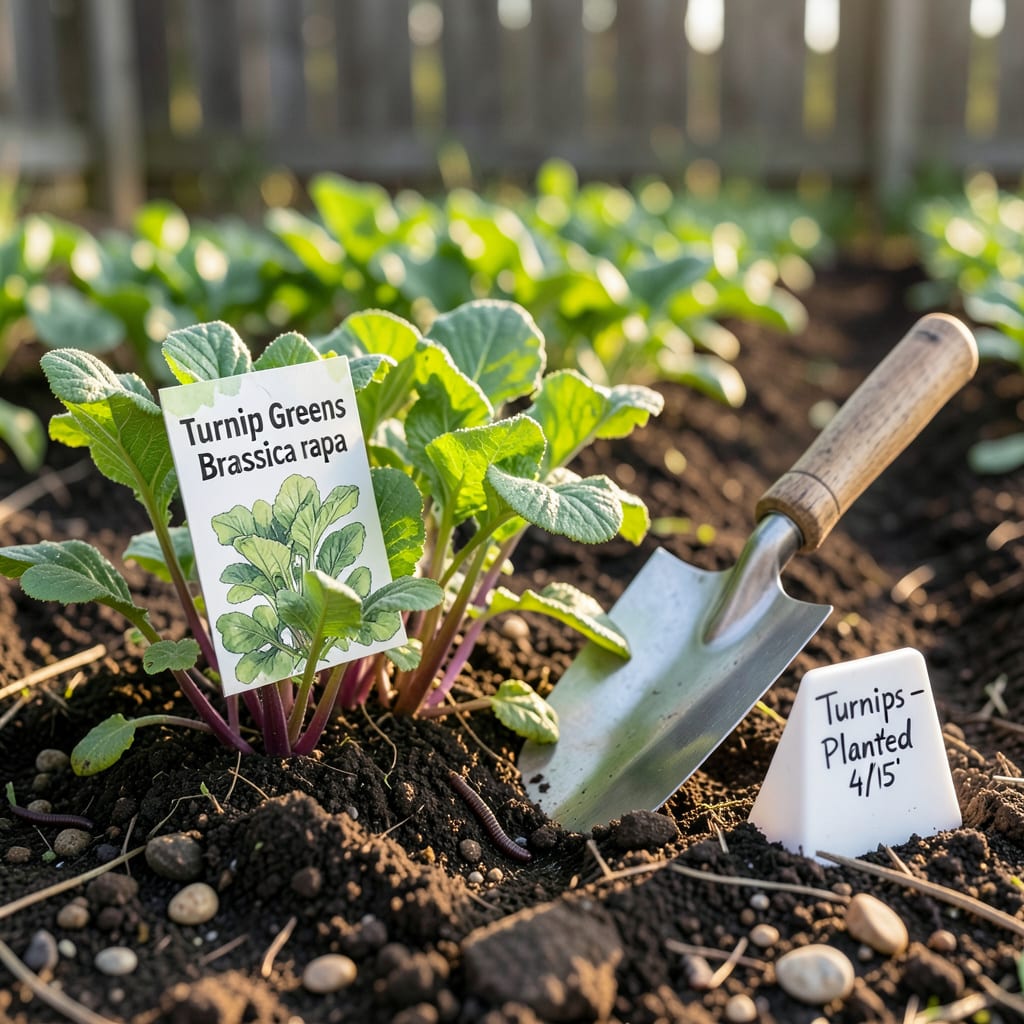
If you’ve ever bitten into homegrown 🥬 Turnip Greens that were tough or bitter, timing was likely the culprit. Alabama’s climate throws curveballs—plant too early and frost might ruin your crop, wait too long and summer heat turns leaves unpalatable.
After years of testing what works in Zone 7b, I’ve nailed down the perfect windows for spring and fall planting. Whether you’re in Birmingham or Mobile, I’ll show you exactly when to sow for tender, flavorful greens—plus how to stretch your harvest season longer than you thought possible.
Alabama’s diverse climate means what works in Huntsville might flop in Mobile. The key to perfect 🥬 turnip greens is matching your planting dates to your specific region. I’ve broken down the state into three zones—North, Central, and Coastal—so you can plant with confidence.
Forget generic advice: Alabama’s last frost dates vary by nearly a month from the mountains to the Gulf. I’ll show you exactly when to sow based on soil temperature (aim for 45°F+) and how to adjust for urban heat islands or rural microclimates.
| Region | Spring Planting | Fall Planting | Last Frost | First Frost |
|---|---|---|---|---|
| North AL (Mountains) | March 1–April 15 | August 15–September 15 | April 1 | October 20 |
| Central AL (Piedmont) | February 15–March 30 | September 1–30 | March 15 | November 15 |
| South AL (Coastal) | February 1–March 15 | September 15–October 15 | February 20 | December 1 |
Notice how Central Alabama gets a full month head start on spring planting compared to the mountains? That’s because Birmingham’s urban heat islands warm soil faster. Coastal gardeners can push fall planting later, but watch for hurricane season rains that might delay sowing.
For soil prep, I recommend testing pH (aim for 6.0–6.5) two weeks before planting. Mix in composted manure to boost organic matter—Alabama’s clay-heavy soils need the extra drainage. Pro tip: Use a soil thermometer to confirm temps; don’t guess!
If you’re in an urban area like Montgomery or Auburn, you can often plant 7–10 days earlier than rural zones. Concrete and asphalt radiate heat, creating microclimates. I’ve successfully sown turnips in raised beds as early as February 1 in downtown Birmingham.
For succession planting, make second sowings every 2–3 weeks until mid-April for spring crops. In fall, your last planting should go in by October 1 in most regions to avoid frost damage. Coastal gardeners can sometimes sneak in a late October planting if using row covers.
Watch for false springs—Alabama is notorious for warm spells followed by hard freezes. I always keep frost blankets handy until after Easter. If temps dip below 28°F, young turnip greens will need protection, especially in North Alabama.
The ‘Seven Top’ variety is my top pick for Alabama’s heat—it resists bolting better than most. For fall crops, ‘Purple Top White Globe’ gives you both great greens and edible roots. Always plant seeds ½ inch deep and thin to 4 inches apart for optimal growth.
Remember: Turnip greens grow fastest when daytime temps stay between 60–75°F. Once nights consistently hit 80°F, growth slows and bitterness increases. That’s why spring plantings often outperform fall ones in Alabama’s heat.
For the most tender greens, harvest when leaves reach 4–6 inches. Use the “cut-and-come-again” method—snip outer leaves and let the center keep growing. This technique can double your yield per plant over the season.
🌱Alabama’s long growing season is a blessing—but it also means turnip greens can bolt or turn bitter if you don’t play your cards right. With a few smart tricks, I’ve stretched my harvests by 4–6 weeks beyond the typical window. The secret? Working with Alabama’s climate, not against it.
Start with succession planting: sow new seeds every 10–14 days from early February through March, then again in September. This staggers your harvest so you’re not overwhelmed with greens all at once. In Central Alabama, I aim for three plantings in spring and two in fall.
Here’s a pro tip: Interplant your turnips with taller crops like tomatoes or okra. The shade from these plants creates a microclimate that keeps greens tender longer. Just be sure to give turnips 12–18 inches of space so they don’t get crowded out.
Finally, don’t forget the “cut-and-come-again” method. Instead of pulling whole plants, harvest outer leaves when they reach 4–6 inches. This encourages new growth and can double your yield. I’ve kept plants producing for 8+ weeks using this technique in my Birmingham garden.
🌿Even experienced Alabama gardeners can mess up 🥬 turnip greens if they’re not careful. The biggest mistake I see? Planting at the wrong time—either too early when frost threatens or too late when summer heat arrives. Alabama’s climate is tricky, and turnips won’t tolerate extremes.
Another common error is ignoring soil prep. Our heavy clay soils need amending—skipping compost means poor drainage and stunted growth. I always mix in 2–3 inches of organic matter before planting. Without this, you’ll struggle with weak plants and bitter leaves.
Overcrowding seeds is another issue that leads to weak plants. Many gardeners hate thinning, but trust me—4-inch spacing is non-negotiable. Crowded turnips compete for nutrients, resulting in spindly stems and small leaves. I use scissors to snip extras at soil level.
Watering mistakes are surprisingly common. Inconsistent moisture causes tough, bitter greens. I water deeply 2–3 times weekly, giving plants about 1 inch total. Drip irrigation works best—overhead watering can spread fungal diseases in our humid climate.
Don’t forget about pest control! Alabama’s warm climate means flea beetles and aphids love turnip greens as much as we do. I use row covers at planting and spray with neem oil if I spot damage. Catching pests early prevents major outbreaks.
Finally, many gardeners harvest too late. Leaves over 8 inches get tough and bitter. I harvest when they’re 4–6 inches for the best flavor. Use the “cut-and-come-again” method to keep plants producing longer. With proper care, you can enjoy tender greens for months! 🌿
No, summer heat causes turnip greens to bolt (flower prematurely) and develop bitter flavors. Stick to spring (Feb-April) and fall (Sep-Oct) plantings when temperatures stay below 75°F. Coastal Alabama may push fall planting slightly later, but never attempt summer sowing.
Plant seeds ½ inch deep and thin seedlings to 4 inches apart once they sprout. Overcrowding leads to weak stems and small leaves. Use scissors to snip extras at soil level rather than pulling to avoid disturbing roots of remaining plants.
‘Seven Top’ is ideal for Alabama’s climate as it resists bolting better than most varieties. For fall crops, try ‘Purple Top White Globe’ which handles temperature swings well. Both varieties thrive in our humidity and produce tender greens when harvested at 4-6 inches tall.
Use frost blankets or lightweight row covers when temperatures dip below 28°F. In North Alabama, keep protection handy until after Easter. For unexpected cold snaps, water plants thoroughly before covering—the moisture helps insulate roots overnight.
Use containers at least 12 inches deep with drainage holes. Fill with potting mix amended with compost. Water more frequently than ground plants—aim for 1 inch per week, adjusting for rainfall. Container growing works well on patios or balconies with 6+ hours of sunlight daily.
