
Beautiful Plants For Your Interior
Beautiful Plants For Your Interior
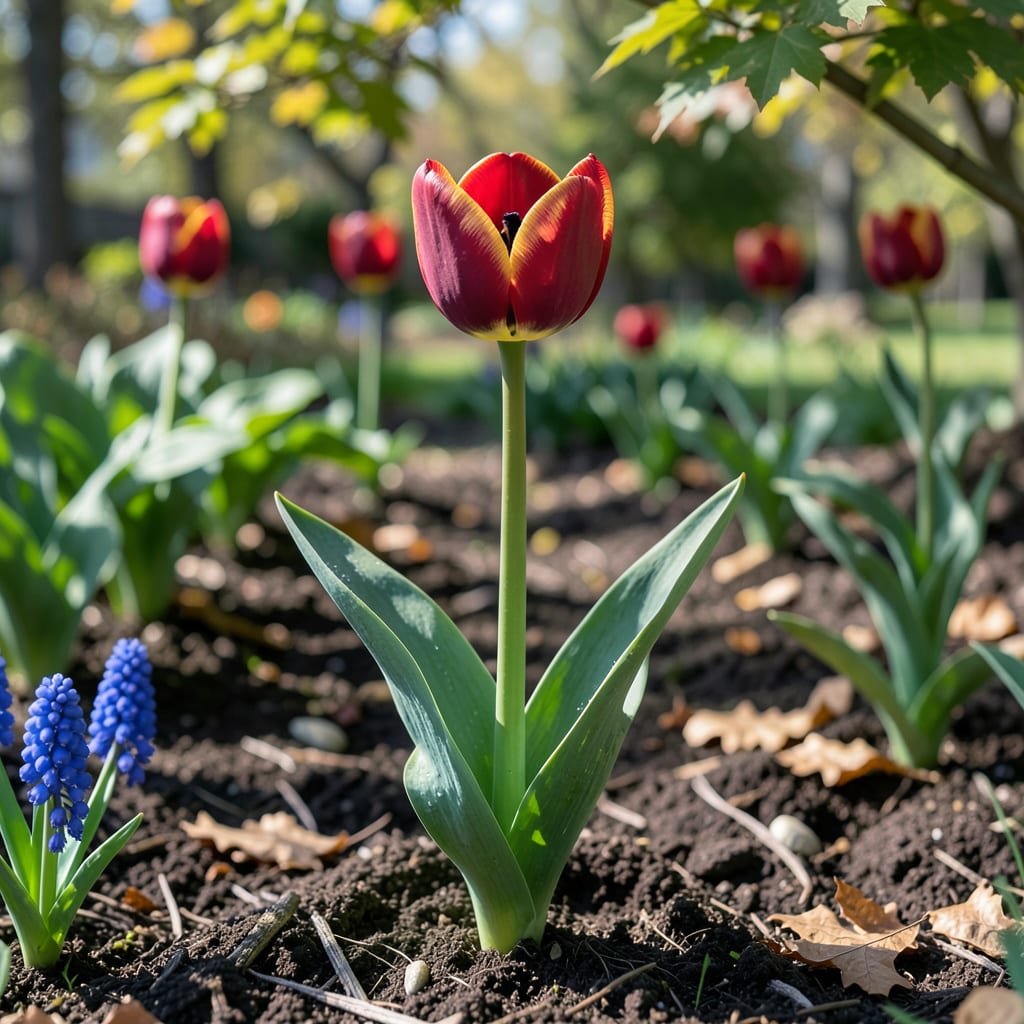
There’s nothing quite like the first sight of vibrant tulips pushing through Wisconsin’s thawing soil in spring. But here’s the catch: those stunning blooms depend entirely on what you do in fall. Miss the planting window, and you might end up with lackluster—or worse, nonexistent—flowers.
I’ve seen too many gardeners in Zone 4b get tripped up by timing, assuming all bulbs follow the same rules. The truth? Wisconsin’s climate demands a precise approach. Let’s break down exactly when to get those 🌷 tulip bulbs in the ground—and why those few weeks in autumn make all the difference.
If you’ve ever wondered why your neighbor’s tulips bloom like a rainbow while yours fizzle out, the secret often lies in perfect fall timing. Wisconsin’s short growing season and harsh winters mean tulip bulbs need just the right conditions to establish roots before dormancy. Plant too early, and warm soil may trick bulbs into sprouting prematurely. Plant too late, and they won’t root deeply enough to survive winter.
I’ve tested this firsthand across Wisconsin’s Zones 3-5, and the sweet spot is when soil temps hit 55-60°F at a 6-inch depth. This typically aligns with nature’s cues—like when maple leaves shift from green to fiery red or your lawn’s growth slows. These signals tell you it’s time to get those bulbs in the ground.
| Wisconsin Region | Planting Window | First Frost Date | Soil Prep Tip |
|---|---|---|---|
| Northern WI (Zone 3-4a) | Sept 20 – Oct 10 | Oct 1-15 | Add 2″ compost for drainage |
| Central WI (Zone 4b) | Oct 1 – Oct 25 | Oct 15-30 | Mix in sand for clay soil |
| Southern WI (Zone 5) | Oct 15 – Nov 5 | Nov 1-15 | Mulch with straw after planting |
For northern Wisconsin gardeners, I recommend planting by October 10th to beat the first hard frost. In southern regions, you can safely plant until early November, but don’t push it—late plantings often result in weaker blooms. A soil thermometer is your best friend here, but if you don’t have one, check your local frost date predictions and count backward 6-8 weeks.
Here’s a trick I swear by: Pre-chill bulbs for 12 hours in the fridge before planting if your soil is still warm. This mimics winter conditions and jumpstarts root growth. Just avoid storing them near apples or bananas—the ethylene gas can damage the bulbs. And always plant pointy-end up, about 6-8 inches deep, which protects against Wisconsin’s freeze-thaw cycles.
Wisconsin’s clay-heavy soil can be a challenge, so I amend my beds with compost and coarse sand to improve drainage. Tulips rot easily in soggy soil, especially over winter. If you’re in a low-lying area prone to standing water, consider raised beds or planting on a slight mound. A 2-3 inch layer of straw or shredded leaves after planting adds insulation without suffocating the bulbs.
Deer and squirrels are notorious tulip thieves in Wisconsin. To outsmart them, I interplant bulbs with daffodils (which critters avoid) or use chicken wire cages buried just below the soil surface. For extra protection, sprinkle blood meal or plant ‘Darwin Hybrid’ tulips, which are less appealing to wildlife. Mark your planting spots with flags—it’s easy to forget where you buried those bulbs once snow flies!
If you miss the ideal window, don’t despair. You can plant bulbs as late as December if the ground isn’t frozen—just add a thicker mulch layer (4-6 inches) and water thoroughly. However, for reliable spring blooms, stick to the September-October timeframe. Trust me, those extra weeks of root growth make all the difference when Wisconsin’s unpredictable springs arrive.
Pro tip: Pair your tulips with early-blooming perennials like crocus or grape hyacinths for a layered spring display. And remember, tulips are one-and-done in Wisconsin unless you’re willing to dig and divide bulbs annually. For low-maintenance color, treat them as annuals and replant fresh bulbs each fall. Your reward? A jaw-dropping spring show that’ll make your neighbors ask for your secrets! 🌷
Finally, keep a gardening journal to track your planting dates and bloom performance. Wisconsin’s weather varies year to year, and noting what works (or doesn’t) in your microclimate will help you refine your approach. Next spring, when those tulips emerge, you’ll know exactly which techniques paid off—and which to adjust for even better results next season.
Wisconsin’s USDA Zones 3-5 create a unique challenge for tulip lovers. The key is planting when soil temperatures drop below 60°F—usually between late September and early November. This gives bulbs enough time to develop roots before the ground freezes, but not so early they sprout prematurely.
I’ve found that northern Wisconsin gardeners should aim for early October, while those in southern regions can push planting to late October. The goal is to get bulbs in the ground 6-8 weeks before the first hard frost. For most of the state, that means wrapping up planting by early November at the latest.
| Wisconsin Region | Ideal Planting Window | Soil Temp Guideline |
|---|---|---|
| Northern WI (Zone 3-4a) | Late September – Mid-October | Below 60°F |
| Central WI (Zone 4b) | Early October – Late October | 55-60°F |
| Southern WI (Zone 5) | Mid-October – Early November | 50-55°F |
Here’s a pro tip: Use a soil thermometer to check temperatures at 6-inch depth—that’s where your bulbs will live. If you don’t have one, watch for signs like maple leaves turning color or your lawn slowing its growth. These natural cues often align perfectly with tulip planting time.
Remember, tulip bulbs need cold to trigger spring blooming. Wisconsin’s winters provide this naturally, but planting too late means bulbs won’t establish roots before dormancy. I once planted bulbs in mid-November during an unseasonably warm spell, and they struggled to bloom the following spring.
If you’re dealing with heavy clay soil (common in many Wisconsin gardens), consider planting a week earlier than suggested. The denser soil takes longer to cool down. Amend with compost to improve drainage—tulips hate soggy feet, especially over winter.
For deer-prone areas, I recommend planting ‘Darwin Hybrid’ or ‘Fosteriana’ tulips, which are more resistant. Pair them with daffodils—deer avoid those entirely. And don’t forget to mark your planting spots! A light layer of mulch (2-3 inches) after planting helps protect against temperature swings.
Finally, if you miss the window, don’t panic. You can still plant bulbs in December if the ground isn’t frozen—just add extra mulch. But for the best results, stick to that late September through early November sweet spot. Your spring self will thank you when those 🌷 tulips burst into color!
Even experienced gardeners can sabotage their tulip blooms with simple oversights. The most common mistake I see in Wisconsin? Planting too shallow. Bulbs need 6-8 inches of soil above them to protect against our brutal freeze-thaw cycles. Anything less risks frost heave, where bulbs get pushed to the surface.
Another critical error is ignoring soil drainage. Wisconsin’s clay-heavy soil holds moisture, which spells disaster for tulip bulbs over winter. I learned this the hard way after losing an entire bed to rot. Now I always amend with compost and coarse sand before planting. Test drainage by digging a 12-inch hole and filling it with water—if it doesn’t drain within an hour, your soil needs help.
I’ve also seen gardeners ruin their tulips by watering too much after planting. Bulbs only need one deep watering to settle the soil—after that, let nature handle it. Overwatering in fall leads to fungal issues. Come spring, hold off on watering until you see green shoots emerging. Then maintain consistent moisture until blooming.
Here’s a mistake that’s easy to overlook: planting damaged bulbs. Always inspect for soft spots, mold, or shriveled exteriors. I once planted a bargain bin of discounted bulbs, only to have half rot in the ground. Invest in high-quality, firm bulbs from reputable suppliers. For Wisconsin gardens, I recommend ‘Darwin Hybrid’ or ‘Kaufmanniana’ varieties—they’re more resilient to our climate extremes.
Don’t forget about post-bloom care either. Many gardeners cut back foliage too soon, which starves the bulb of energy for next year. Let leaves yellow completely before removing them. I like to plant tulips behind late-emerging perennials like hostas to hide the dying foliage. For extra vigor, sprinkle bone meal around bulbs in early spring when shoots appear.
Finally, watch for squirrel sabotage. These critters love freshly planted tulip bulbs. My solution? Lay chicken wire over the planting area and secure it with landscape staples. Remove it once the ground freezes. For extra protection, plant bulbs in wire cages or intersperse with daffodils—squirrels avoid those. With these precautions, you’ll avoid the heartbreak of dug-up bulbs come spring. 🌷
Planting too early can trick bulbs into sprouting before winter. When soil temperatures stay above 60°F, bulbs may send up shoots that get damaged by frost. This weakens the plant and reduces spring blooms.
In southern Wisconsin (Zone 5), early November plantings can work if the ground isn’t frozen. Add 4-6 inches of mulch for protection. Northern gardeners should avoid November planting—bulbs need 6-8 weeks to establish roots before freeze-up.
After planting, cover beds with 2-3 inches of straw or shredded leaves. This insulates soil and prevents freeze-thaw cycles from pushing bulbs up. In deer-heavy areas, use chicken wire cages or plant bulbs among daffodils.
Amend planting areas with compost and coarse sand to improve drainage. For severe clay, create raised beds or plant on slight mounds. Test drainage by digging a 12-inch hole—if water doesn’t drain within an hour, add more organic matter.
