
Beautiful Plants For Your Interior
Beautiful Plants For Your Interior
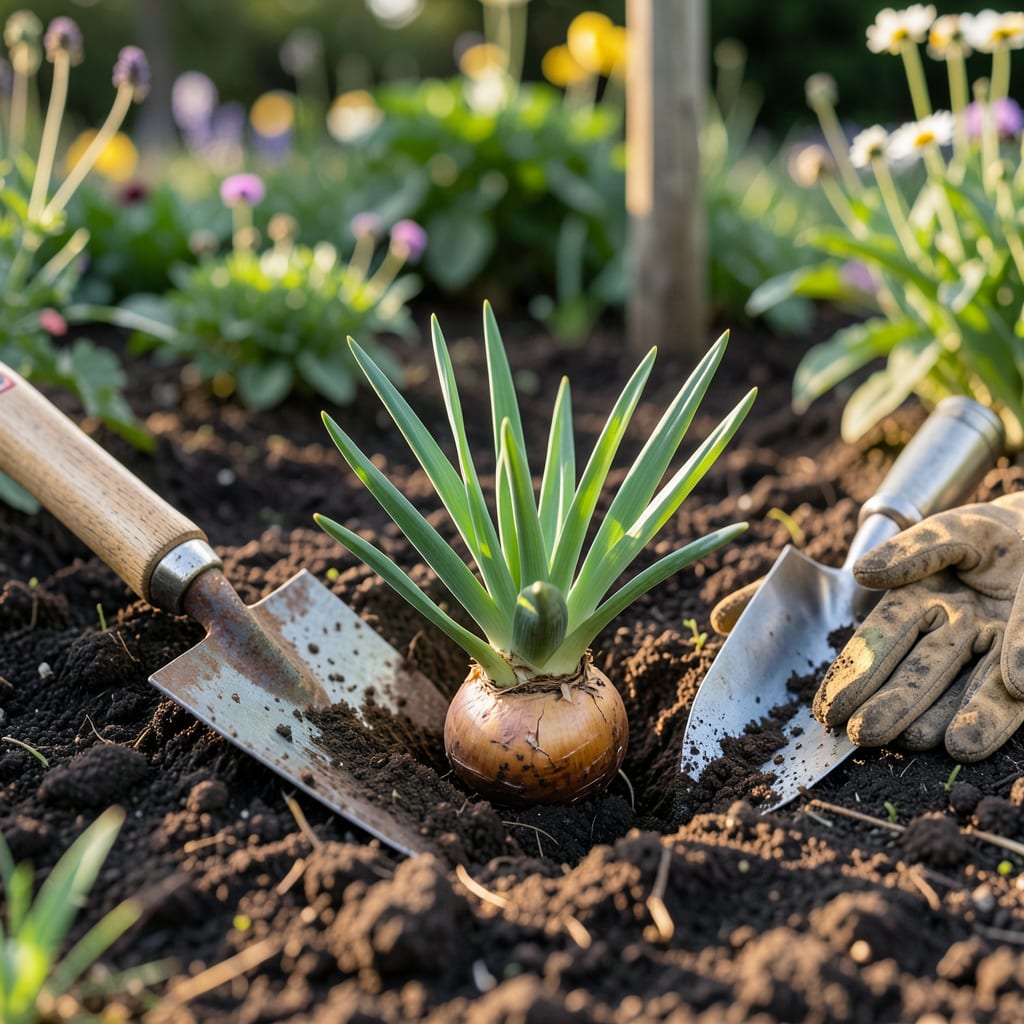
Timing your tulip planting in Virginia can mean the difference between a lackluster spring and a yard bursting with vibrant color. Those iconic blooms don’t happen by accident—they start with a well-timed fall planting when soil temperatures dip just right.
Whether you’re in the coastal plains or the Piedmont foothills, Virginia’s zones 6–8 each have their sweet spot. I’ll break down exactly when to get those bulbs in the ground—and why waiting too long could leave you with nothing but green leaves next spring.
Virginia’s diverse climate means your tulip-planting window depends heavily on where you live. The state spans USDA zones 6–8, and each zone has its own ideal timing. The golden rule? Plant when soil temps drop below 60°F, but before the ground freezes.
In zone 6 (northern VA, mountains), you’ll plant earlier than gardeners in zone 8 (coastal areas). I’ll help you pinpoint the perfect month range for your area—so your bulbs get the chilling period they need without risking rot or frost damage.
| Zone | Optimal Months | Soil Temp Threshold | First Frost Date |
|---|---|---|---|
| 6a/6b | Mid-October to early November | Below 55°F | Oct 10–20 |
| 7a/7b | Late October to mid-November | 55°F–60°F | Oct 20–30 |
| 8a | Early to mid-November | 60°F (cooler microclimates) | Nov 1–10 |
*Check your exact frost dates using the Old Farmer’s Almanac tool.
If you’re in zone 6, aim to finish planting by early November. The Piedmont region (zone 7) has a slightly longer window, but don’t push it past mid-November. Coastal gardeners in zone 8 can plant later, but watch for unseasonably warm spells that might trick bulbs into sprouting.
Soil temperature is your best guide. Use a soil thermometer to check depths of 6 inches. When temps stay below 60°F for a week, it’s go time. This ensures roots develop before winter dormancy but avoids premature shoots.
Pro tip: If you’re in an urban heat island (like Richmond or Arlington), your soil stays warmer longer. Plant on the earlier side of your zone’s window. Mountain gardeners (Blue Ridge, Shenandoah) can often plant 1–2 weeks later due to cooler microclimates.
Still unsure? Here’s my foolproof trick: Plant after your first light frost but before the ground freezes. In most of Virginia, that’s between late October and mid-November. Mark your calendar for October 15th—that’s when I start checking soil temps annually.
Remember, tulips need 12–14 weeks of chilling (below 40°F) to bloom properly. Plant too late, and they’ll skip flowers next spring. I’ve seen gardeners in zone 8 struggle with this—if your winters are mild, consider pre-chilled bulbs from nurseries.
For naturalizing tulips (like Darwin hybrids), planting in early October gives them extra time to establish. These varieties multiply over years, so the initial timing investment pays off. Just add a 2-inch mulch layer after planting to protect against temperature swings.
Finally, if you miss your window, don’t panic. You can plant tulips as late as December if the ground isn’t frozen—just water thoroughly and mulch heavily. But for the best blooms, sticking to your zone’s ideal dates is key. Trust me, your spring self will thank you! 🌷
Now that you know when to plant, let’s talk about how to do it right in Virginia’s unique conditions. Our state’s clay-heavy soil and unpredictable fall weather demand extra prep work—but the payoff is worth it when those vibrant blooms emerge in spring.
Start by selecting a sunny spot with well-draining soil. Tulips need 6+ hours of sunlight daily, and Virginia’s clay can suffocate bulbs if not amended. I’ll walk you through the exact steps to ensure your tulips thrive, from soil prep to post-planting care.
Virginia’s humid falls mean you should avoid overwatering. After that initial drink, let nature handle it unless you hit a drought spell. Too much moisture invites fungal diseases like bulb rot, which I’ve seen wipe out entire plantings.
For squirrel-prone areas (looking at you, Northern Virginia!), try this trick: Lay chicken wire over the planted area, then cover with mulch. Remove it when shoots emerge in spring. Alternatively, interplant with daffodils—squirrels hate their toxicity but tulips stay safe.
If you’re in coastal Virginia (zone 8), your milder winters might require pre-chilled bulbs for reliable blooms. Look for labels like “pre-cooled” or “for warm climates” at local nurseries. These bulbs have already undergone the 12-week chilling period needed to trigger flowering.
Pair your tulips with Virginia-native perennials for a layered look. I love combining them with creeping phlox (for early spring color) or black-eyed Susans (for summer interest). The natives will also help support pollinators once tulip season ends.
Finally, mark your planting spots with biodegradable flags or a quick sketch. It’s easy to forget where you planted bulbs, and accidentally digging them up while adding spring annuals is a heartbreaking mistake I’ve made more than once! 🌷
Even experienced gardeners can stumble when planting tulips in Virginia’s tricky climate. From unpredictable fall weather to heavy clay soil, our state presents unique challenges. I’ve seen (and made!) these mistakes—here’s how to sidestep them for a flawless spring display.
One of the biggest errors? Planting too shallow in Virginia’s dense soil. Bulbs need 6–8 inches of depth to anchor properly, but our clay can make digging tough. Skimping on depth leads to floppy stems or bulbs that heave out of the ground during freeze-thaw cycles.
Another critical mistake is ignoring soil temperature. I’ve seen gardeners plant when air temps drop, but soil must be below 60°F. Use a soil thermometer—they’re cheap and save heartache. Planting in warm soil causes premature sprouting, and those tender shoots won’t survive winter.
Virginia’s humid falls also lead to over-mulching. While mulch protects bulbs, more than 3 inches can smother them. Stick to 2 inches of straw or shredded leaves, and avoid heavy wood chips that trap too much moisture.
Don’t overlook bulb spacing either. Crowding bulbs (closer than 4 inches apart) creates competition for nutrients, leading to smaller blooms. In clay soil, tight spacing also increases rot risk. I use a bulb planter tool to ensure consistent depth and spacing every time.
Finally, many gardeners forget that tulips need full sun in spring, not just fall. That shady spot under your dogwood tree might work for planting, but come March, the canopy will block critical sunlight. Choose locations with 6+ hours of spring sun for the best blooms. 🌷
Planting before soil cools below 60°F can cause premature sprouting. Those tender shoots often die in winter freezes, leaving you with no blooms next spring.
Early planting also risks bulb rot in Virginia’s humid falls. Wait until soil temps drop consistently—usually after mid-October for most zones.
Unfortunately, no. Tulips require 12–14 weeks of chilling (below 40°F) to bloom. Spring-planted bulbs typically won’t flower until next year.
For instant color, opt for pre-chilled bulbs from nurseries or choose spring-blooming annuals like pansies instead.
Interplant with daffodils—deer and squirrels avoid their toxicity. For extra protection, lay chicken wire over bulbs and cover with mulch, removing it in spring.
Repellent sprays (like Liquid Fence) also work. Reapply every 2–3 weeks or after heavy rain for best results.
Use 2–3 inches of straw or shredded leaves. These materials allow airflow while protecting against temperature swings—critical in Virginia’s freeze-thaw cycles.
Avoid heavy wood chips; they trap too much moisture in our clay, increasing rot risk. Pine straw is another great option for acid-loving gardens.
Water once deeply after planting to settle soil. After that, rely on natural rainfall—Virginia’s humid falls usually provide enough moisture.
Only water again if you hit a drought spell (less than 1 inch of rain weekly). Overwatering in clay soil leads to bulb rot.
