
Beautiful Plants For Your Interior
Beautiful Plants For Your Interior
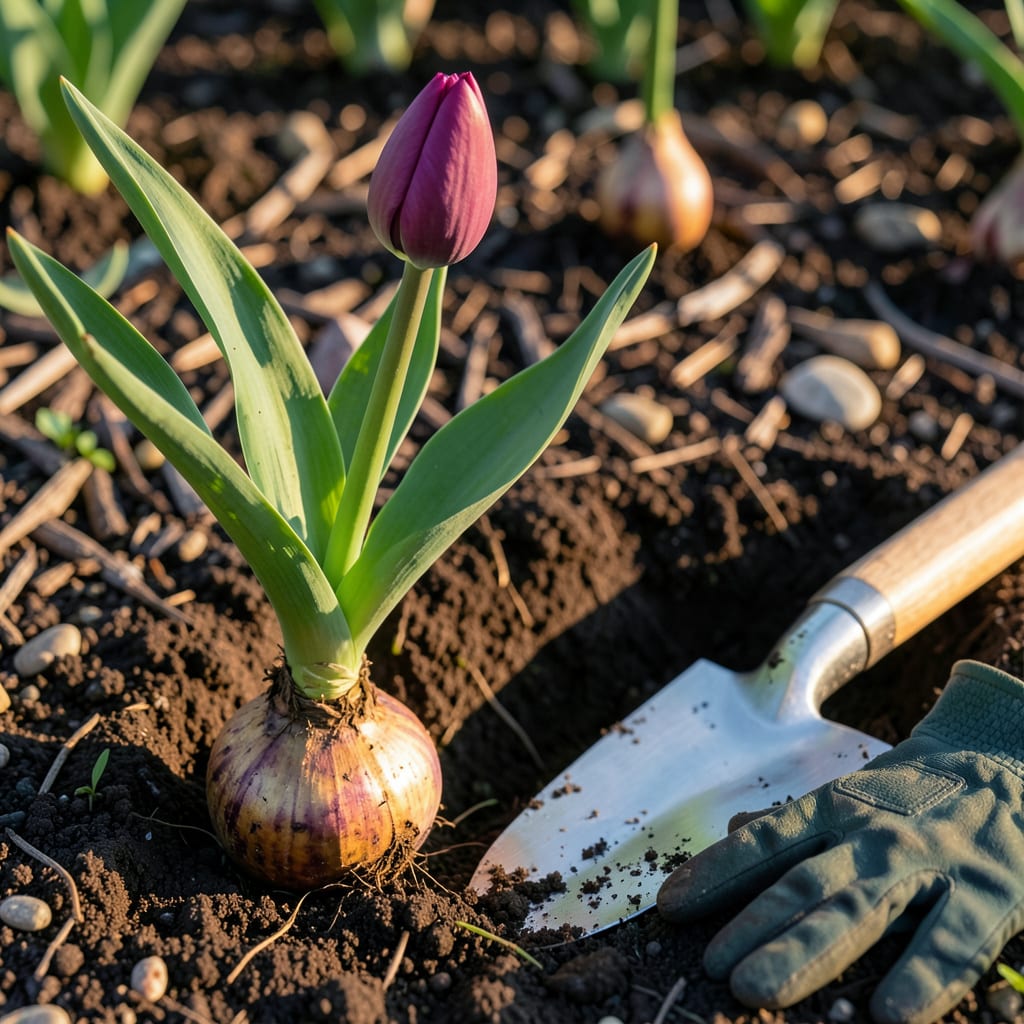
Dreaming of a Texas garden bursting with vibrant 🌷 tulips next spring? Timing is everything—plant too soon, and bulbs may sprout prematurely. Wait too long, and you’ll miss the sweet spot for those show-stopping blooms.
After years of testing in Texas’s unpredictable climate, I’ve nailed the perfect fall window for Zone 8b gardeners. Let me show you exactly when to get those bulbs in the ground—and how to prep them for Texas heat—so you’re rewarded with a breathtaking display come March.
Texas gardeners face a unique challenge with tulip bulbs: our winters are too warm for traditional planting rules. While Northern gardeners tuck bulbs into frozen ground, we must time it just right—6-8 weeks before your first frost—to mimic winter’s chill. This varies wildly across the state!
From the Panhandle’s Zone 6 to the Gulf Coast’s Zone 9, Texas spans four USDA zones. I’ll break down the ideal planting months for each region, plus a critical tip: pre-chilling bulbs is non-negotiable in warmer zones. Let’s dig into the details.
| Region | USDA Zone | Planting Window | Pre-Chill Needed? |
|---|---|---|---|
| North Texas (Dallas, Fort Worth) |
7b-8a | Oct 15–Dec 1 | ❌ (Natural chill) |
| Central Texas (Austin, San Antonio) |
8a-8b | Nov 1–Dec 15 | ✅ (4-6 weeks) |
| South Texas (Houston, Corpus Christi) |
8b-9a | Dec 1–Jan 15 | ✅ (6-8 weeks) |
| West Texas (El Paso, Lubbock) |
6a-8a | Oct 1–Nov 15 | ❌ (Natural chill) |
Pro Tip: Pre-chill bulbs in a paper bag in the fridge (away from fruit!). Skip this in Zone 7 or colder.
In North and West Texas, you’re in luck—your cold winters naturally chill bulbs. Aim to plant by mid-November before the ground freezes. I’ve had great success with ‘Red Emperor’ and ‘Darwin Hybrid’ varieties here.
Central Texas gardeners must play it smarter. Our Zone 8a/8b winters often lack enough chill, so I pre-chill bulbs for 6 weeks before planting. Try ‘Tulipa clusiana’ (a heat-tolerant species) or ‘Lady Jane’ for better reblooming odds.
Down in South Texas, you’re pushing the limits of tulip-growing. Plant late December through early January, and pre-chill for 8 weeks. Pair tulips with daffodils or bluebonnets to extend your spring color—tulips may only bloom once here.
No matter your zone, soil temperature is key. Use a soil thermometer—aim for 60°F or below at planting depth (6 inches). Too warm? Wait a week and check again. This simple step prevents premature sprouting.
Wondering about container tulips? They’re a great workaround for warm zones! Plant pre-chilled bulbs in well-draining pots, then move to a cool garage for 8 weeks before placing outside. This tricks them into thinking they’ve had winter.
Remember: Texas tulips often act like annuals, not perennials. If you’re set on reblooming, dig up bulbs after foliage dies, store in a dry, dark place until fall, then replant. It’s extra work, but worth it for those gorgeous spring blooms!
For the best results, mark your calendar now: October 15 (North), November 1 (Central), or December 1 (South). Set a phone reminder to order bulbs in September—popular varieties sell out fast!
Planting tulips in Texas isn’t like planting them up north—our hot summers and mild winters demand extra care. The secret? Pre-chilling bulbs (if needed) and perfect soil prep. Follow my step-by-step method to ensure your tulips thrive and bloom spectacularly.
First, choose the right bulbs. Opt for heat-tolerant varieties like ‘Tulipa clusiana’ or ‘Lady Jane’—they handle Texas’s temperature swings better than classic Dutch tulips. Always buy firm, plump bulbs from reputable suppliers to avoid disease.
Pro Tip: Plant bulbs pointy-side up—it’s easy to mix them up!
In Central and South Texas, our warmer soils can trick bulbs into sprouting too early. To prevent this, I check soil temperature with a thermometer—wait until it’s below 60°F at planting depth. If your soil stays warm, consider container planting instead.
For container-grown tulips, use a well-draining potting mix and plant bulbs shoulder-to-shoulder for a lush display. After planting, move pots to a cool, dark garage for 8 weeks to simulate winter. Then, bring them into dappled sunlight as shoots emerge.
After planting, resist the urge to fertilize immediately. Wait until shoots appear in late winter, then apply a balanced 10-10-10 fertilizer. Over-fertilizing can lead to weak stems or disease, so stick to the recommended dose.
Once blooms fade, leave the foliage until it turns yellow—this feeds the bulb for next year. If you’re growing tulips as annuals (common in Texas), you can dig up bulbs after foliage dies back. Store them in a dry, dark place until next fall.
Remember, Texas tulips often bloom once and fade. To keep color going, interplant with perennials like salvias or blackfoot daisies. These natives will hide fading tulip foliage and extend your garden’s seasonal interest.
Texas heat can cut tulip blooms short, but I’ve discovered three game-changing tricks to make them last longer. The key is managing temperature stress and moisture levels—our spring heatwaves arrive faster than in cooler climates. With these strategies, you’ll enjoy weeks of color instead of fleeting blooms.
First, shade cloth is your secret weapon. When forecasts call for 85°F+ days, drape 30% shade cloth over tulips during peak afternoon sun. This simple step prevents petal scorch and keeps blooms vibrant. I use floating row covers for small beds—they’re lightweight and easy to remove.
Bonus: Pair tulips with native salvias to hide fading foliage.
For container-grown tulips, move pots to a shadier spot once buds open. A north-facing patio or under a tree works well. Keep soil consistently moist but not soggy—Texas winds dry out pots fast. I check moisture daily during bloom time.
To encourage future blooms, feed tulips with a low-nitrogen fertilizer (like 5-10-10) right after flowering. This helps bulbs store energy. In Zone 8+, dig up bulbs after foliage dies, store in a cool, dry place, and replant next fall. It’s extra work, but worth it for reliable spring color.
Finally, companion planting makes a huge difference. I tuck tulips between drought-tolerant perennials like blackfoot daisies or Mexican feathergrass. These natives disguise tulip foliage as it fades and thrive in Texas heat long after tulips finish blooming.
Remember, tulips in Texas often perform as one-season wonders. Treat them like annuals and replant fresh bulbs each fall for the most reliable displays. The payoff? A burst of spring color that’s worth every bit of effort! 🌷
Yes, in Zones 8-9 (Central/South Texas), refrigerate bulbs for 6-8 weeks before planting. This mimics winter chill they’d get naturally in colder climates. Skip refrigeration in Zone 7 or colder (North/West Texas).
Store bulbs in a paper bag in the fridge (away from fruit) to prevent mold.
Planting too early in warm soil causes premature sprouting. Shoots may emerge in fall, then get damaged by winter cold or early freezes. This weakens bulbs and reduces spring blooms.
Wait until soil temps drop below 60°F at planting depth.
Pots are ideal for warm zones. Plant pre-chilled bulbs in well-draining mix, then move containers to a cool garage for 8 weeks. Afterward, place in dappled sunlight.
Use containers at least 12 inches deep for proper root growth.
Texas heat often prevents tulips from reblooming. Most varieties act as annuals here. For better odds, dig up bulbs after foliage dies, store in a dry, dark place, and replant next fall.
Try heat-tolerant varieties like ‘Tulipa clusiana’ or ‘Lady Jane’ for improved longevity.
In Zone 8b-9a (Houston, Corpus Christi), plant by January 15 for spring blooms. Later planting risks weak growth or no flowers. Pre-chill bulbs for 8 weeks first.
Pair with daffodils or bluebonnets to extend your spring display.
