
Beautiful Plants For Your Interior
Beautiful Plants For Your Interior
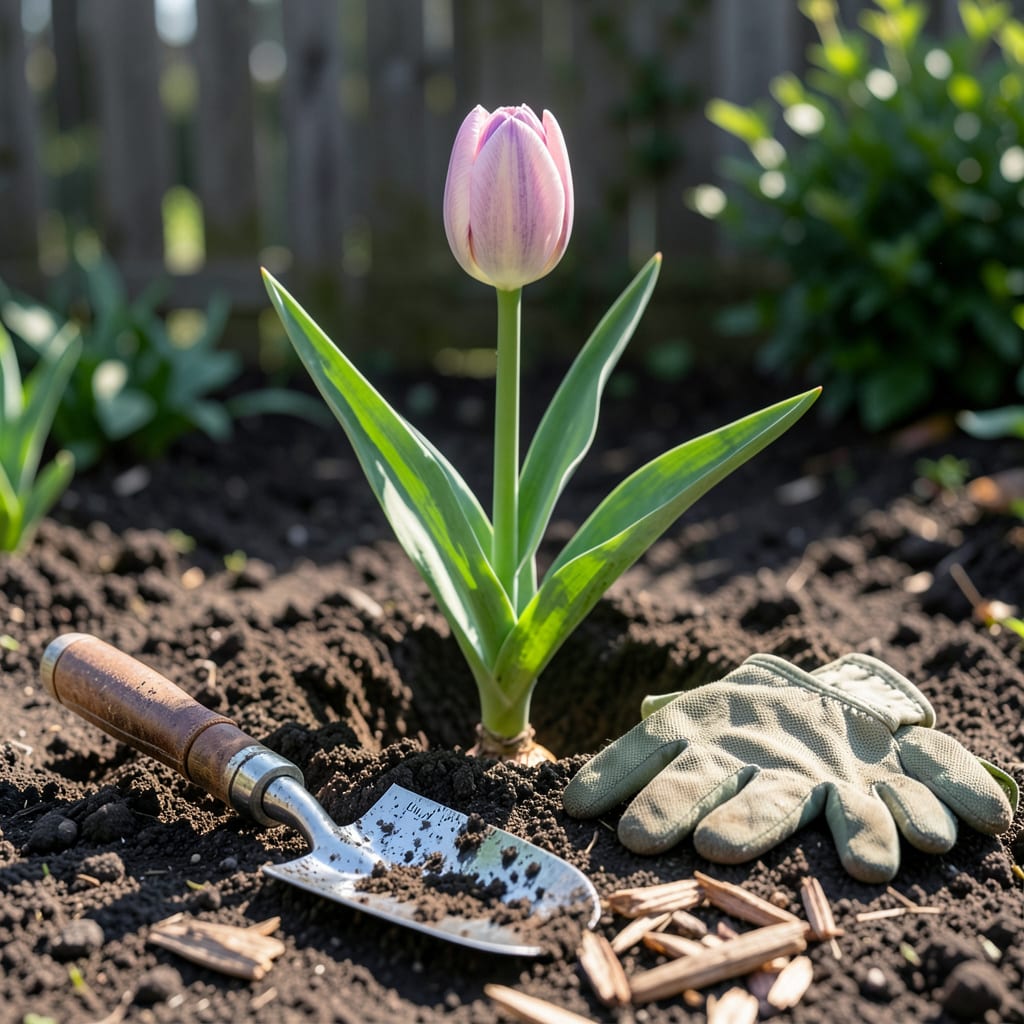
Imagine your Tennessee garden bursting with vibrant 🌷 tulips next spring—but here’s the catch: timing is everything. Plant those bulbs too early, and they might sprout prematurely. Wait too long, and they won’t establish roots before winter.
After years of testing what works in our Zone 7a climate, I’ve nailed down the perfect fall window for planting. Let me show you exactly when to get those bulbs in the ground—and why this small step makes all the difference for stunning spring blooms.
If you want those iconic spring tulip blooms, you’ve got to think like a Tennessean—and that means planting in fall. The secret? Getting bulbs in the ground 6-8 weeks before the first hard frost, when soil temps dip below 60°F. 🌡️
Tennessee’s USDA Zones 6a-8a give us a generous window, but timing varies by region. In East TN (cooler, higher elevation), aim for early October. Middle and West TN gardeners can push it to late November—but don’t wait too long! 🌷
| Tennessee Region | USDA Zone | Ideal Planting Window | First Frost Date |
|---|---|---|---|
| East TN (Mountains) | 6a-7a | Early Oct – Mid Nov | Oct 15 – Nov 1 |
| Middle TN (Nashville) | 7a-7b | Mid Oct – Late Nov | Nov 1 – Nov 15 |
| West TN (Memphis) | 7b-8a | Late Oct – Early Dec | Nov 15 – Dec 1 |
Why does this timing matter? Tulip bulbs need 12-16 weeks of chilling (below 40°F) to trigger spring blooms. Plant too early, and warm soil may cause premature sprouting. Too late? Bulbs won’t root properly before winter. ☀️
Here’s my pro tip: Use a soil thermometer (or check local weather reports) to monitor temps. When your garden’s soil hits a consistent 55°F, it’s go time. In Middle TN, that’s usually around Halloween—perfect for pairing bulb planting with pumpkin carving! 🪴
If you’re in Zone 8a (like parts of West TN), you might wonder: Can I plant tulips in winter? The answer? Yes, but act fast. December plantings work if the ground isn’t frozen, but mulch heavily to insulate against temperature swings. 🌱
For East TN gardeners (Zone 6a), watch for early frosts. If your bulbs arrive in September but soil’s still warm, store them in a cool, dry place (like a fridge) until temps drop. Just avoid storing near apples or bananas—their ethylene gas can damage bulbs! ✂️
Not sure which zone you’re in? Pop your ZIP code into the USDA Hardiness Zone Finder. And remember: Tulips thrive in full sun (6+ hours daily), so scout your yard now for the perfect spot. A south-facing bed is ideal! 🌞
What if you miss the window? Don’t panic. You can still plant tulips as late as December in most of TN, but add a thick mulch layer (3-4 inches of straw or shredded leaves) to protect bulbs. They’ll just need extra TLC come spring. 💧
Finally, if you’re tempted to plant in early spring, resist! Tulips planted after winter often produce weak stems and few blooms. Stick to fall planting, and you’ll be rewarded with a showstopping display by March or April. Trust me, your future self will thank you! 🌷
Now that you know when to plant, let’s talk about how to plant tulips for maximum success in Tennessee’s soil. Our state’s clay-heavy ground can be tricky, but with the right prep, your bulbs will thrive. Start by choosing a spot with full sun (6+ hours daily) and well-draining soil. 🌞
Tennessee’s soil often needs a little help. If your garden has heavy clay (common in Middle TN), mix in 2-3 inches of compost or sand to improve drainage. Aim for a soil pH of 6.0–7.0—a simple test kit from your local garden center will tell you if adjustments are needed. 🌱
Here’s a Tennessee-specific tip: If you’re planting in clay soil, consider a raised bed or mound. This prevents water from pooling around bulbs, which can cause rot. I’ve seen gardeners in Nashville lose entire tulip patches to soggy soil—don’t let that happen to you! 💧
For deer and squirrel protection, sprinkle blood meal or lay chicken wire over the planting area until shoots emerge. Tennessee’s wildlife loves tulip bulbs as much as we do! If critters are a persistent problem, try planting daffodils nearby—they’re naturally pest-resistant. 🪴
After planting, resist the urge to water daily. Tulips need consistent moisture but hate soggy feet. A weekly deep watering is perfect unless we’re in a drought. Come spring, you’ll see green shoots emerge around February or March—that’s your cue to start light fertilizing! ✂️
If you’re planting multiple varieties, arrange them by bloom time. Early tulips (like ‘Fosteriana’) flower in March, while late varieties (like ‘Parrot Tulips’) wait until April. This way, your garden stays in color for weeks! For TN’s heat, I recommend ‘Darwin Hybrid’ tulips—they’re tough and return year after year. 🌷
Finally, don’t toss those faded tulip blooms—but do deadhead them after petals drop. Leave the foliage until it turns yellow (about 6 weeks). This lets the bulb store energy for next year’s show. Cutting too soon means weaker blooms next spring! 🌿
Even with perfect timing, a few simple mistakes can ruin your tulip display. The most common? Planting too shallow. In Tennessee’s freeze-thaw cycles, bulbs planted less than 6 inches deep risk frost heave—where soil expansion pushes them to the surface. 🌡️
Another biggie: Ignoring drainage. Our state’s clay-heavy soil holds moisture, which spells disaster for bulbs. If your planting site stays soggy after rain, mix in compost or sand or opt for raised beds. I’ve lost count of how many gardeners I’ve seen cry over rotted bulbs in spring! 💧
Here’s a mistake I see every year: Planting in spring. While big-box stores sell tulip bulbs in March, fall is the only time they’ll thrive in TN. Spring-planted bulbs often produce weak, late blooms—if they flower at all. Stick to October-November planting for reliable results. 🌷
Ever heard of “tulip fire”? This fungal disease thrives in Tennessee’s humid springs. To prevent it, space bulbs 4-6 inches apart for airflow and remove spent foliage only after it yellows. If you spot brown spots on leaves, treat with copper fungicide immediately. ✂️
Finally, don’t forget the post-bloom care that ensures next year’s show. After petals fade, deadhead flowers but leave stems until they yellow. This lets bulbs store energy. Many TN gardeners make the mistake of cutting back too soon—which is why their tulips fizzle out after one year. 🌱
Bulbs planted after December 1 often struggle to establish roots before winter. Without proper chilling (12-16 weeks below 40°F), they may produce weak stems or no blooms at all. If you must plant late, add 4 inches of mulch for insulation.
Spring planting rarely works in Tennessee. Bulbs need fall’s cold period to trigger blooms. Spring-planted tulips often grow foliage only or bloom poorly. For instant color, try potted tulips from nurseries instead.
Squirrels love tulip bulbs! Try these tricks: Plant bulbs 8+ inches deep, cover the area with chicken wire (remove in spring), or sprinkle blood meal. Interplanting with daffodils (which squirrels avoid) also helps deter them.
Many Tennessee gardeners see tulips fade after year one. Common causes: Cutting foliage too soon (wait until yellow), poor drainage (rot in clay soil), or lack of fertilizer. Try ‘Darwin Hybrid’ tulips—they’re more reliable for TN’s climate.
Resist the temptation! August soil is too warm (above 60°F) for tulips. Store bulbs in a cool, dry place (like a fridge) until October. Just keep them away from fruit—ethylene gas can damage them.
