
Beautiful Plants For Your Interior
Beautiful Plants For Your Interior
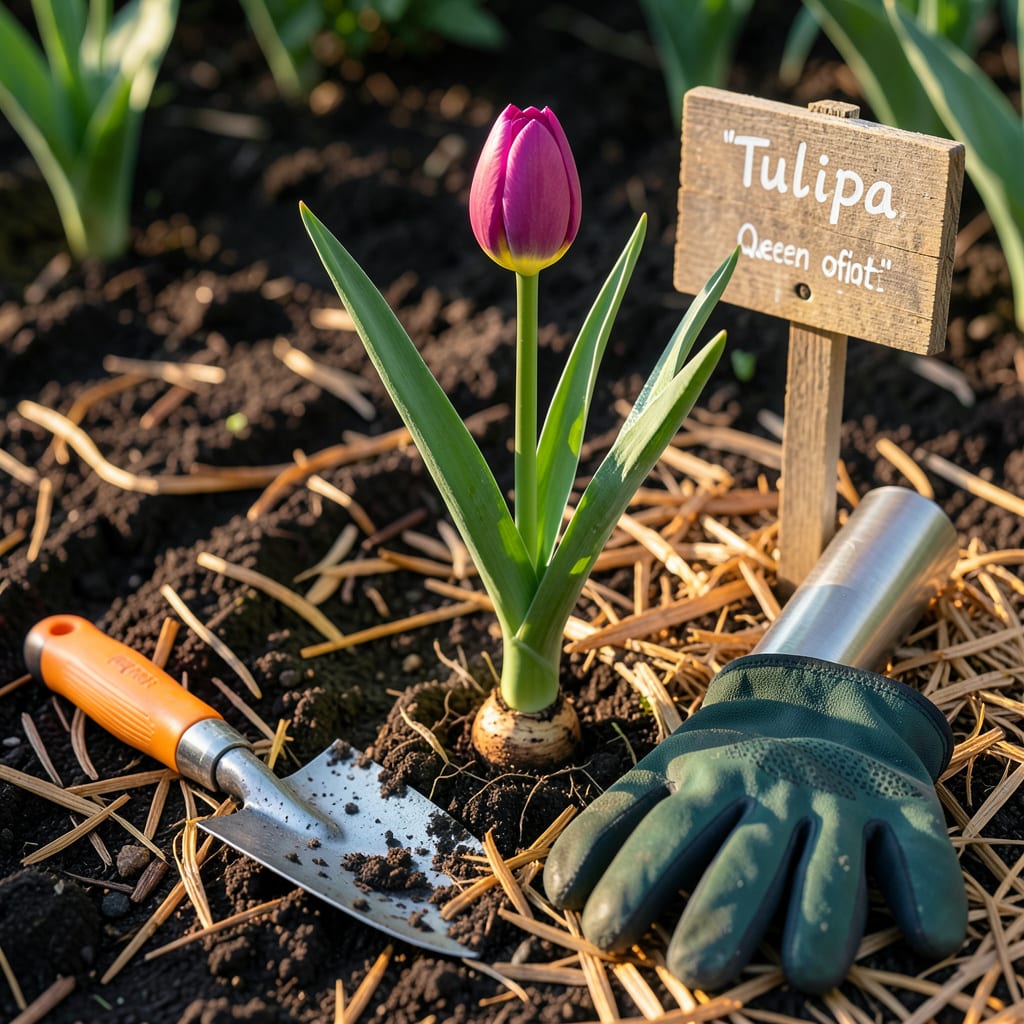
If you’ve ever planted tulips in South Carolina only to watch them fizzle out, you know timing is everything. Our warm winters and humid climate throw a curveball at traditional planting advice, leaving many gardeners frustrated with lackluster blooms—or worse, rotting bulbs.
But here’s the good news: with the right schedule tailored to SC’s unique zones, you can grow stunning tulips that thrive. I’ll break down the exact window (hint: it’s not when you think) and share pro tips to outsmart our finicky weather. Let’s get it right this year.
South Carolina’s mild winters and humid climate make tulip planting a bit trickier than in colder states. The key is waiting until soil temperatures drop to 40–50°F—usually between late October and early December. Plant too early, and bulbs may sprout prematurely; too late, and roots won’t establish before spring.
Our state spans three distinct regions: Coastal (Zone 8), Piedmont (Zone 7-8), and Mountains (Zone 6-7). Each has slightly different timing. Coastal gardeners should aim for November planting, while Piedmont and Mountain areas can start in late October. Let’s break it down by zone.
| Region | USDA Zone | Ideal Planting Window | Soil Temp Goal |
|---|---|---|---|
| Coastal | 8a-8b | Mid-November | 45–50°F |
| Piedmont | 7a-8a | Late October–Early Nov | 40–48°F |
| Mountains | 6b-7a | Mid-October–Early Nov | 38–45°F |
*Check soil temp 2″ deep at 9 AM for accuracy. Use a soil thermometer for best results.
In Coastal SC, where winters are warmer, I recommend pre-chilling bulbs for 6–8 weeks in the fridge before planting. This mimics a colder winter and improves blooming. For Piedmont gardeners, focus on well-draining soil—our clay-heavy ground can suffocate bulbs if not amended with compost or sand.
Mountain regions have the earliest planting window due to cooler temps. If you’re in Greenville or Asheville-adjacent areas, aim to get bulbs in the ground by Halloween. A light frost won’t hurt them, but hard freezes before root establishment can be problematic. Mulch with 2–3 inches of straw after planting to insulate.
Pro tip: If you miss the ideal window, you can plant tulips as late as early January in Coastal areas—just chill the bulbs first. For Piedmont/Mountains, December 15 is your absolute cutoff. After that, save bulbs for forcing indoors or store them in a cool, dry place (40°F) until next fall.
Wondering how to check soil temperature? Grab a meat thermometer (yes, really!) and insert it 2 inches deep into the ground at 9 AM. If it reads below 50°F for three consecutive days, it’s go time. Avoid planting after heavy rains—soggy soil is a bulb’s worst enemy in our humid climate.
For best results, plant bulbs 6–8 inches deep and 4–6 inches apart. In sandy Coastal soil, go slightly deeper (8 inches) to protect against temperature swings. Water thoroughly after planting to settle the soil, then hold off on watering unless we have a drought—tulips hate wet feet!
If you’re planting in containers, use a high-quality potting mix and move pots to a shaded area after blooming. SC’s spring sun can scorch foliage if containers overheat. For in-ground plantings, mark bulb locations with garden flags—it’s easy to forget where they’re hidden come spring!
Remember, tulips in SC often behave as annuals rather than perennials due to our heat. If you want reliable returns, try ‘Darwin Hybrid’ or ‘Fosteriana’ varieties—they’re more heat-tolerant. Or, treat them as annuals and replant fresh bulbs each fall for guaranteed vibrant blooms every spring.
Planting tulips in South Carolina isn’t as simple as following Northern guidelines. Our warm winters and humid soil create perfect conditions for mistakes that can ruin your bulbs before they even sprout. After years of trial and error (and more than a few rotted bulbs), I’ve narrowed down the five biggest pitfalls SC gardeners face.
First up: planting too early. When October rolls around and garden centers stock bulbs, it’s tempting to get them in the ground immediately. But in SC, soil stays too warm until November in most regions. Bulbs planted in 70°F+ soil often sprout prematurely, leaving tender shoots vulnerable to winter temperature swings.
*Fix these, and you’ll see bigger blooms with less effort next spring!
Another critical error? Ignoring soil drainage. SC’s clay-heavy soil (especially in the Piedmont) holds moisture like a sponge—great for camellias, disastrous for tulips. I’ve lost entire plantings to rot because I skipped amending the soil. The fix? Dig your bed 12 inches deep, mix in compost and coarse sand, and consider planting on a slight mound to improve drainage.
Coastal gardeners face a unique challenge: not chilling bulbs. Since our winters rarely dip below 20°F, many tulip varieties won’t bloom without a 6–8 week cold period. I use my fridge’s crisper drawer (away from fruit—ethylene gas can damage bulbs) to simulate winter. Just don’t store them near apples or bananas! Mountain gardeners can usually skip this step, but Piedmont folks should chill if planting after November 15.
Overwatering is another silent bulb killer. After that initial drink to settle soil, tulips need very little water in SC’s climate. Our winter rains usually provide enough moisture. If we hit a dry spell, a deep watering every 3–4 weeks is plenty. Soggy soil = fungal diseases like basal rot. I learned this the hard way after losing a prized ‘Parrot Tulip’ collection to overzealous watering.
Finally, poor site selection dooms many SC tulip plantings. Avoid low spots where cold air and water collect—these create perfect conditions for rot. Instead, choose a location with morning sun and afternoon shade (especially in Coastal areas). If planting near trees, ensure bulbs get at least 6 hours of sunlight in early spring before leaves emerge.
Here’s my pro tip for avoiding all these mistakes: Plant in containers your first year. Use a well-draining potting mix (add perlite!) and move pots to a cool garage for chilling if needed. This lets you control soil, moisture, and temps perfectly. Once you’ve mastered container tulips, graduate to in-ground plantings with confidence. And always label your bulbs—trust me, you’ll forget where you planted them by spring!
Remember, tulips in SC often act as one-season wonders. If your blooms fade after Year 1, don’t despair—it’s normal here. For better perennial performance, try ‘Darwin Hybrid’ or ‘Fosteriana’ varieties, or treat tulips as annuals and replant fresh bulbs each fall. The payoff of those vibrant spring colors is worth the effort!
Not all tulips handle South Carolina’s heat and humidity equally. After testing dozens of varieties, I’ve found the top performers that return year after year—or at least put on a spectacular first-season show. The secret? Choosing cultivars bred for warmer climates and shorter chilling periods.
For Coastal SC (Zone 8), focus on ‘Darwin Hybrid’ and ‘Fosteriana’ tulips. These varieties tolerate our mild winters and resist the fungal diseases that plague other types in humid conditions. ‘Apeldoorn’ (a Darwin Hybrid) is my go-to for its reliable blooms and sturdy stems that withstand spring storms.
| Variety | Zone Suitability | Bloom Time | Height | Why It Works |
|---|---|---|---|---|
| Darwin Hybrid | 7-9 | Mid-spring | 22-24″ | Heat-tolerant, perennializes well |
| Fosteriana | 6-9 | Early spring | 12-18″ | Disease-resistant, early blooms |
| Lady Jane | 7-9 | Late spring | 10-12″ | Thrives in heat, unique color |
| Red Emperor | 5-9 | Early spring | 16-18″ | Naturalizes well, bold color |
*All varieties benefit from pre-chilling in Coastal SC (Zone 8).
Piedmont gardeners should try ‘Apeldoorn Elite’—a Darwin Hybrid that handles our clay soil better than most. For Mountain regions, ‘Purple Prince’ (Fosteriana) excels in cooler microclimates. I’ve had great success with ‘Lady Jane’ in Charleston—its late bloom time avoids early heat waves that cut other varieties short.
Want extended color? Try ‘lasagna planting’: Layer early-, mid-, and late-blooming varieties in the same bed. Start with Fosteriana at the bottom (deepest), add Darwin Hybrids in the middle, and top with ‘Lady Jane’ for a succession of blooms from March through April. This technique works especially well in raised beds where you can control soil quality.
For container plantings, I recommend ‘Red Emperor’—its shorter stature and strong stems hold up better in pots. Use a well-draining mix (60% potting soil, 30% perlite, 10% compost) and elevate containers to prevent waterlogging.
If tulips consistently disappoint, consider Southern alternatives like lycoris (hurricane lilies) or crinum lilies. These bulbs thrive in SC’s heat and return reliably year after year. But if you’re set on tulips, stick with the varieties above and treat them as annuals—replanting each fall ensures the biggest, brightest blooms without the frustration of declining performance.
🌷Planting before soil cools to 40–50°F can cause premature sprouting. Warm soil tricks bulbs into thinking it’s spring, leading to weak shoots vulnerable to winter damage. In Coastal SC, this often happens if planted before November.
Only in Coastal SC (Zone 8). Chill bulbs for 6–8 weeks in the fridge to mimic winter. Skip this in Piedmont/Mountain regions—natural temps are cold enough. Never store bulbs near fruit (ethylene gas ruins them).
Most act as annuals here due to heat. For better odds, try ‘Darwin Hybrid’ or ‘Fosteriana’ varieties—they’re more heat-tolerant. Alternatively, dig up bulbs after foliage dies and store in a cool, dry place until fall.
Go 6–8 inches deep, measuring from the bulb’s base. In sandy Coastal soil, plant at 8 inches to protect against temperature swings. Space bulbs 4–6 inches apart for best airflow and disease prevention.
Coastal areas: Early January (chill bulbs first). Piedmont/Mountains: December 15 is the cutoff. After that, save bulbs for forcing indoors or store them until next fall. Late plantings may still bloom but with smaller flowers.
