
Beautiful Plants For Your Interior
Beautiful Plants For Your Interior
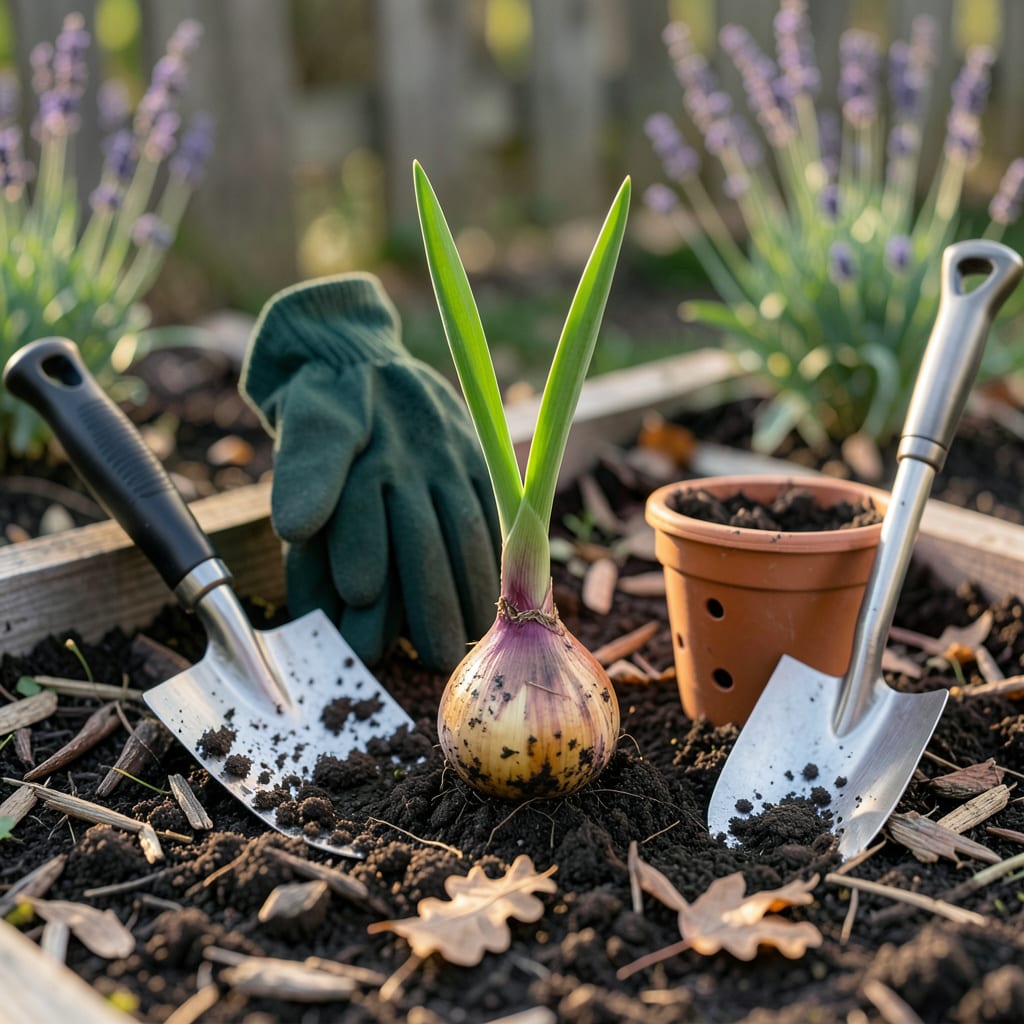
There’s nothing quite like the first sight of vibrant tulips pushing through the soil after a long Pennsylvania winter. But here’s the catch: if you don’t plant those bulbs at the right time, you might end up with lackluster blooms—or worse, none at all.
After years of testing and tweaking, I’ve nailed down the perfect fall window for planting tulips in PA’s unpredictable climate. Stick with me, and I’ll show you exactly how to set your garden up for a showstopping spring—without the guesswork.
If you’ve ever wondered why your tulips didn’t bloom in spring, timing is likely the culprit. In Pennsylvania’s USDA zones 5–7, planting tulips too early or too late can ruin your spring display. The secret? Aim for mid-October to early November, when soil temps drop below 60°F.🌷
Pennsylvania’s climate varies—cooler zone 5 areas (like the Poconos) need earlier planting, while warmer zone 7 spots (near Philadelphia) can wait. I’ll break down the exact windows so you don’t miss the mark. First, let’s look at the ideal timeline for your region.
| Zone | Ideal Planting Window | Soil Temp Goal | First Frost Date |
|---|---|---|---|
| 5 (Poconos, NW PA) | Early to mid-October | 50–55°F | Oct 1–15 |
| 6 (Pittsburgh, Harrisburg) | Mid-October to early November | 55–60°F | Oct 15–30 |
| 7 (Philadelphia, SE PA) | Late October to mid-November | 60°F (but cooling) | Nov 1–15 |
Pro Tip: Use a soil thermometer to check temps at 6-inch depth—this is where bulbs root!
Why does this timing matter? Tulip bulbs need 6–8 weeks of cool soil to develop strong roots before winter. Plant too early in warm soil, and they’ll sprout prematurely. Plant too late, and roots won’t establish before the ground freezes. I’ve seen both scenarios ruin spring blooms!☀️
For zone 5 gardeners, aim to finish planting by October 20. In zone 7, you can push it to November 10—but don’t wait longer! If you’re unsure about your zone, check the USDA Plant Hardiness Zone Map or ask your local extension office.
Soil prep is just as critical as timing. Tulips hate soggy soil, so choose a well-draining spot with full sun (6+ hours daily). If your soil is heavy clay, mix in compost or sand to improve drainage. I like to add a balanced fertilizer (10-10-10) at planting to fuel root growth.🌱
Here’s a quick soil test: Dig a 6-inch hole and fill it with water. If it drains within 10 minutes, you’re good. If water pools, amend the soil or pick a new spot. Remember, tulips rot in wet soil over winter—this is the #1 reason they fail to bloom!
What if you miss the window? You can still plant bulbs until the ground freezes, but add 4–6 inches of mulch (straw or shredded leaves) to insulate them. In a pinch, pot bulbs and force them indoors for winter blooms—just keep them chilled in a fridge (not freezer!) for 8–10 weeks first.
For warmer microclimates (like urban Philly), watch the 10-day forecast. If nights stay above 50°F, hold off planting. Conversely, in colder pockets (like the Laurel Highlands), plant earlier and mulch heavily. I’ve had great success with this approach in my own garden.🌿
Finally, mark your calendar for spring care: Once blooms fade, leave foliage until it yellows (about 6 weeks). This feeds the bulb for next year. If you’re eager to tidy up, plant tulips behind perennials like hostas to hide dying leaves naturally.
Now that you know when to plant tulips in Pennsylvania, let’s dig into the how. The difference between lackluster blooms and a jaw-dropping spring display often comes down to planting depth, soil prep, and post-care. Here’s my foolproof method.🌷
Start by selecting plump, firm bulbs—avoid any that feel soft or sprouted. Bigger bulbs produce stronger stems and larger flowers. I always choose disease-resistant varieties like ‘Darwin Hybrid’ or ‘Fosteriana’ for PA’s climate. Pro tip: Buy bulbs in late summer for the best selection!
Bonus: Plant in groups of 10+ bulbs for dramatic clusters. Odd numbers look most natural!
Why 6–8 inches deep? This depth protects bulbs from freeze-thaw cycles while allowing roots to establish. In sandy soil, plant an inch deeper; in heavy clay, go shallower by an inch. I’ve found this adjustment prevents rot in wet PA springs.☀️
Deer and squirrels love tulip bulbs like candy. To deter them, sprinkle blood meal or crushed gravel over the planting area. For heavy pest pressure, lay chicken wire over the bed and cover with mulch—remove it in spring when shoots emerge. Trust me, this saves heartache!
After planting, resist the urge to water daily. Tulips need moist but not soggy soil—overwatering causes rot. I check soil moisture by sticking my finger 2 inches deep. If it’s dry, water; if damp, wait. In spring, resume watering when shoots appear, giving 1 inch per week until blooms fade.💧
Come spring, your patience will pay off with vibrant blooms. But don’t cut foliage after flowering! Leave it until it turns yellow and papery (about 6 weeks). This feeds the bulb for next year. If the dying leaves bother you, plant tulips behind perennials like daylilies to hide them naturally.
For year-after-year blooms, lift bulbs every 3–4 years in early summer after foliage dies. Divide offsets, discard small/weak bulbs, and replant the healthiest in fall. I’ve had the same ‘Apeldoorn’ tulips thrive for 5+ years using this method. Happy planting!🌿
Even with perfect timing, small missteps can sabotage your tulip display. After helping dozens of PA gardeners troubleshoot their bulbs, I’ve spotted the same five mistakes again and again. Let’s fix them before they wreck your spring blooms!🌷
The biggest offender? Planting too shallow. Tulip bulbs need 6–8 inches of soil above them to survive PA’s freeze-thaw cycles. I’ve seen bulbs planted at 3–4 inches push up early in warm spells, only to get zapped by late frosts. Grab a ruler—measure twice, plant once!
Remember: Tulips are one-and-done if you don’t avoid these pitfalls!
Mistake #2: Poor drainage is a silent tulip killer. PA’s clay-heavy soils hold moisture, which rots bulbs over winter. The fix? Amend soil with compost or sand before planting. I lost an entire bed of ‘Parrot’ tulips one year because I skipped this step—learn from my mistake!💧
Here’s how to test your soil: Dig a 12-inch hole, fill it with water, and time how long it takes to drain. If it’s slower than 10 minutes, mix in 2–3 inches of organic matter. For containers, use a well-draining potting mix with perlite. Tulips in soggy soil = money down the drain!
Mistake #3: Skipping mulch leaves bulbs vulnerable to PA’s wild temperature swings. A 3–4 inch layer of straw or shredded leaves acts like a blanket, keeping soil consistently cool. I use pine straw—it’s lightweight, insulates well, and deters slugs. Apply mulch after planting but before hard frosts hit.🌱
Finally, don’t cut corners on bulb quality. Those bargain-bin bulbs at the grocery store in December? They’re often dehydrated or moldy. Buy from reputable nurseries in September–October and store in a cool, dark place until planting. I swear by ‘Darwin Hybrid’ tulips—they naturalize beautifully in PA!🌿
Planting before soil cools below 60°F can cause premature sprouting. Warm soil tricks bulbs into thinking it’s spring, leading to weak shoots that frost will kill. Wait until mid-October for most zones to avoid this.
You can, but it’s risky. Bulbs need 6–8 weeks to root before winter. If planting late, add 4–6 inches of mulch (straw or leaves) for insulation. In zone 7, you might get away with it—zone 5 gardeners should avoid it.
Healthy bulbs feel firm and heavy for their size. Discard any that are soft, moldy, or sprouting. If stored properly (cool, dark, dry), bulbs stay viable for 4–6 weeks after purchase. When in doubt, soak in water for 12 hours before planting.
Yes, but don’t overdo it. Water 1 inch deep immediately after planting to settle soil and trigger root growth. After that, only water if rainfall is less than 1 inch per week. Soggy soil in winter = rotted bulbs.
Common culprits: planting too shallow (frost damage), poor drainage (rot), or cutting foliage too soon (starved bulbs). Also check if squirrels dug them up! Next fall, plant 6–8 inches deep in well-draining soil and leave foliage 6 weeks post-bloom.
