
Beautiful Plants For Your Interior
Beautiful Plants For Your Interior
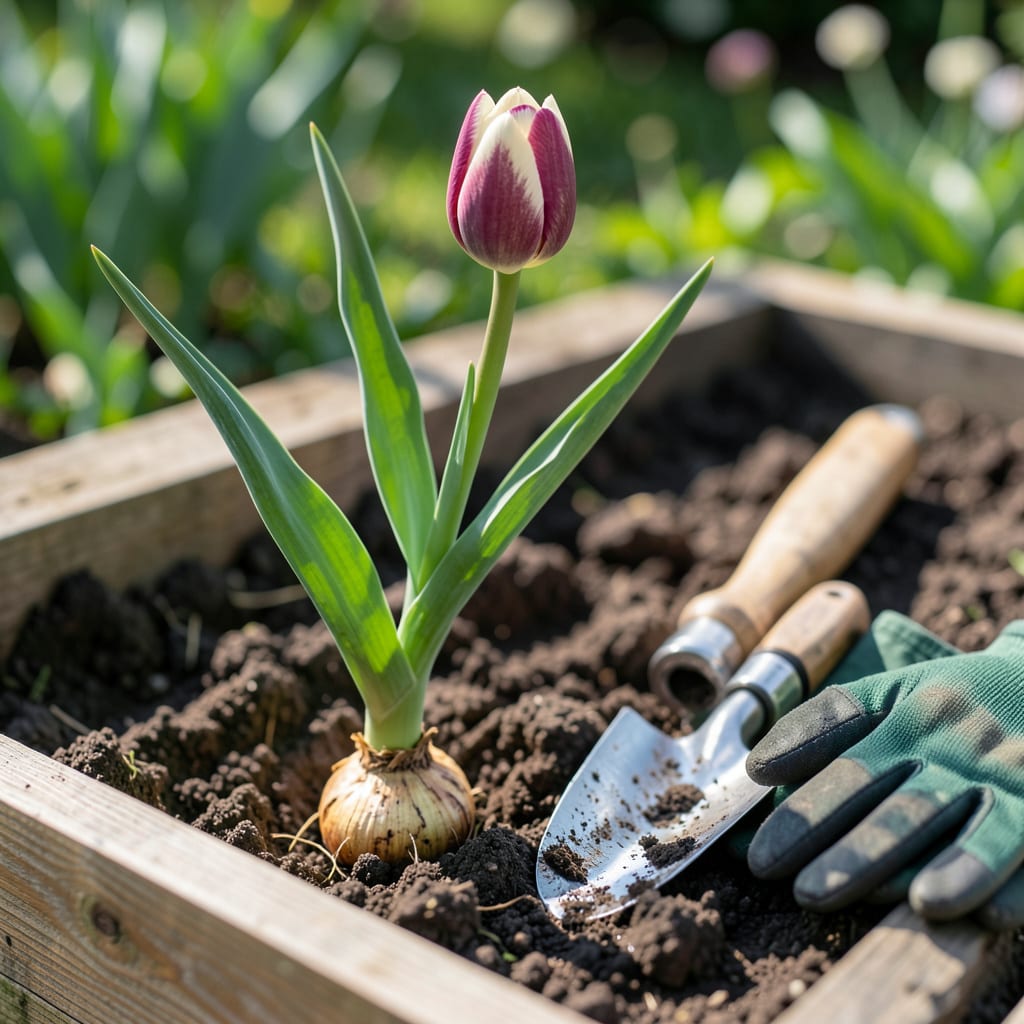
Timing is everything when it comes to growing those stunning 🌷 tulip blooms in Oregon. Plant too early, and you risk rot; plant too late, and you might get weak stems or no flowers at all. The difference between a lackluster spring and a vibrant garden often comes down to just a few weeks.
After years of testing in Oregon’s unpredictable climate, I’ve nailed down the perfect window for planting—whether you’re in the misty Willamette Valley or the drier high desert. Let’s cut through the guesswork so you can enjoy bold, healthy tulips come April.
Oregon’s diverse climate means one-size-fits-all advice won’t cut it for tulips. In the Willamette Valley, our mild, wet winters demand a different approach than the high desert of Bend. The key? Soil temps between 40–50°F and planting 6–8 weeks before the ground freezes.
I’ve seen gardeners in Portland plant in late October with great success, while those in Eastern Oregon often need to wrap up by early November. Coastal areas like Astoria? You’ve got a bit more wiggle room thanks to milder winters. Let’s break it down by zone.
If you’re in Western Oregon, aim for October 15–November 15. The cooler coastal zones can push this to early December, but don’t risk it—soil temps below 40°F halt root growth. I always check the 10-day forecast for hard freezes before planting.
For Eastern Oregon, where winters hit harder, get those bulbs in by October 15. A soil thermometer is your best friend here—if the ground is already freezing at night, you’ve missed the window. Pro tip: Mulch with 2–3 inches of straw after planting to insulate against temperature swings.
What about urban heat islands like Portland? Those concrete jungles stay warmer, so I’ve had success planting as late as November 20. Just avoid low-lying areas where cold air pools—those spots freeze first. Test your soil: if it’s workable but cool, you’re good to go.
Don’t forget microclimates! A south-facing slope in your yard might be 5°F warmer than a north-facing bed. I once planted tulips in a sunny raised bed two weeks later than my shady garden—both thrived because I adjusted for their specific conditions.
Still unsure? Call your local OSU Extension office—they’ve got hyper-local data. Or grab a $10 soil thermometer and plant when your dirt hits that 50°F sweet spot. Trust me, your spring self will thank you when those vibrant blooms pop up right on schedule.
Remember: Tulips need 12–16 weeks of chilling to bloom. Plant too late, and they’ll spend winter playing catch-up. In Oregon’s mildest zones (like Ashland), you might even get away with December planting—but why risk it? Stick to the schedule, and you’ll be rewarded with bold, healthy flowers.
One last trick: If you’re running late, pre-chill bulbs in the fridge for 6–8 weeks before planting. Just keep them away from apples or pears—the ethylene gas they emit can ruin your bulbs. I learned that the hard way after storing mine next to a fruit bowl!
🌷Now that you know when to plant, let’s talk about how to do it right. Oregon’s wet winters mean drainage is everything—soggy bulbs rot before they even sprout. I’ve lost count of how many gardeners I’ve seen skip soil prep, only to wonder why their tulips flopped.
Start by choosing a sunny spot (at least 6 hours of direct light daily). Tulips thrive in well-draining, sandy loam soil. If your yard is heavy clay—common in the Willamette Valley—amend with compost or coarse sand to prevent waterlogging.
For container planting—ideal for Portland patios—use a pot at least 12 inches deep with drainage holes. Fill with a 50/50 mix of potting soil and perlite. I like to layer bulbs: larger varieties at the bottom, smaller ones (like ‘Tête-à-Tête’) on top for a staggered bloom effect.
Avoid over-fertilizing at planting. A light sprinkle of bone meal (1 tbsp per 10 bulbs) is plenty. Too much nitrogen = lush leaves but fewer flowers. Save the 5-10-10 fertilizer for early spring when shoots emerge.
What about deer and squirrels? Oregon’s wildlife loves tulip bulbs. I swear by chicken wire cages buried just below the soil surface or planting daffodils nearby—critters hate their toxic bulbs. For containers, a wire mesh lid works until shoots appear.
Finally, resist the urge to cut back foliage after blooming. Let leaves yellow naturally—this feeds the bulb for next year. I mark fading foliage with small stakes to avoid accidental trimming. In Oregon’s mild climate, you can often leave bulbs in the ground for 3–5 years before dividing.
🌱Planting tulips in Oregon is all about timing the chill. Get it wrong, and you’ll either face rotten bulbs or weak, no-show blooms. I’ve seen both scenarios play out in my own garden—and let me tell you, neither is pretty. The 12–16 week chilling period tulips need is non-negotiable.
Plant too early (like in September), and warm soil tricks bulbs into sprouting prematurely. Those tender green shoots won’t survive Oregon’s first frost. I once planted a test batch in early September during a heatwave—every single one rotted before November. The soil temp must be below 60°F to prevent this.
Fix it: If you’ve planted early, cover beds with shade cloth to cool soil and reduce watering.
Now, plant too late (after mid-November in most zones), and bulbs won’t establish strong root systems before winter. Come spring, you’ll get stunted stems or blind bulbs (no flowers at all). In Eastern Oregon, late planting is even riskier—bulbs might not root before the ground freezes solid.
What if you missed the window? Don’t panic. For late plantings, try pre-chilling bulbs in the fridge for 6–8 weeks before planting. I’ve salvaged December plantings this way in Portland’s milder zones. Just avoid the crisper drawer—too much moisture causes mold. Store them in a paper bag in the main fridge.
Unseasonal weather throwing you off? Oregon’s Indian summers can push planting dates later. If warm temps linger into November, wait for a cool spell—but don’t delay past Thanksgiving in most zones. When in doubt, check soil temps with a thermometer: 50°F is ideal, but below 40°F means you’re too late.
🌡️In Western Oregon’s milder zones (like Portland or the coast), you might get away with early December planting if the ground isn’t frozen. However, bulbs need 6–8 weeks to root before spring. For best results, stick to October–November and pre-chill late bulbs in the fridge.
Our wet winters can rot bulbs if they sit in soggy soil. Plant in raised beds or amend clay soil with compost/sand. After planting, add 2–3 inches of mulch (straw or bark) to improve drainage. Avoid plastic covers—they trap too much moisture.
Most tulips struggle to naturalize here because our wet summers rot bulbs. However, species tulips (like Tulipa clusiana) often return for 3–5 years. For reliable repeats, dig up bulbs after foliage yellows, dry them, and replant in fall.
Planting in low-lying areas where cold air and water collect! These spots stay wet and freeze first. Also, skipping mulch—Oregon’s temperature swings can heave bulbs out of the ground. Always plant on slopes or raised beds and mulch with straw.
Use a 12+ inch deep pot with drainage holes and a 50/50 mix of potting soil and perlite. Plant at the same depth as in-ground (6–8 inches). Move containers to a sheltered spot in heavy rain to prevent soggy soil. Water only when the top inch feels dry.
