
Beautiful Plants For Your Interior
Beautiful Plants For Your Interior
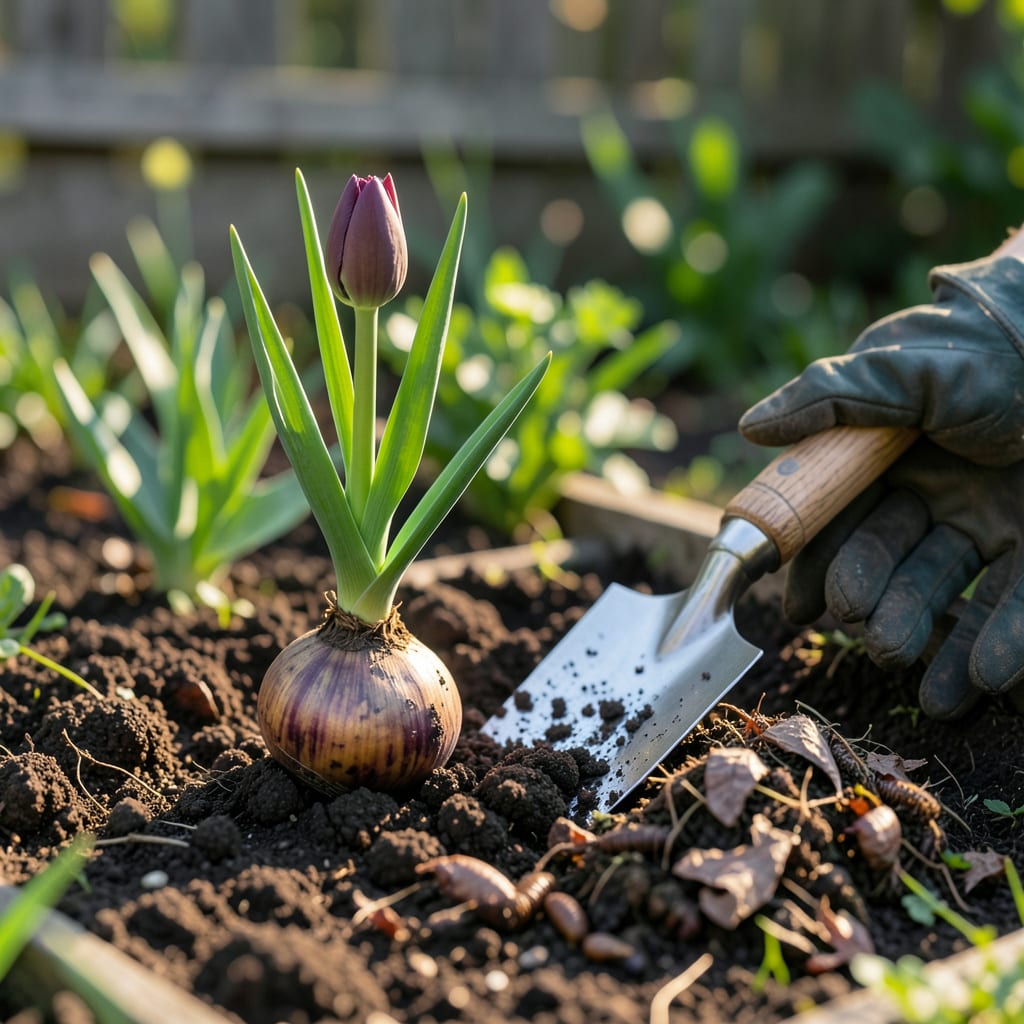
Imagine planting your tulips with excitement, only to watch them flop—or worse—never bloom. In Oklahoma’s rollercoaster climate, timing isn’t just important—it’s everything. One misstep, and you could be staring at sad, sprouted bulbs in winter or a bare patch come spring.
But here’s the good news: I’ve cracked the code for 🌷 perfect tulip timing in our state. Whether you’re in Tulsa’s zone 7 or Lawton’s warmer pockets, I’ll show you exactly when to get those bulbs in the ground—and why those 6–8 weeks before frost make all the difference. No more guessing, just stunning blooms.
Oklahoma’s climate is a patchwork of USDA zones 6–8, meaning your tulip planting window shifts dramatically from the panhandle to the Red River. The golden rule? 6–8 weeks before your first frost—but that’s just the start. I’ll break down the exact timing for your region.
In northern Oklahoma (Zone 6), aim for late September to mid-October. Further south in Zone 8 (Lawton area), you can push planting to early November. Soil temps must dip below 60°F to trigger root growth without premature sprouting.
Pro Tip: Use a soil thermometer to confirm temps are below 60°F at 6″ depth before planting.
Why does this timing matter? Tulips need 12–16 weeks of chilling to break dormancy. Plant too early in warm soil, and you’ll get weak sprouts that winter kills. Plant too late, and roots won’t establish before the ground freezes.
For southern Oklahoma gardeners, watch the 10-day forecast. If nights stay above 50°F, hold off on planting. I’ve seen Lawton gardeners lose bulbs to premature sprouting when they planted in early October during a heatwave.
If you miss the window, don’t panic. You can pre-chill bulbs in the fridge for 8–10 weeks (in a paper bag, away from fruit) and plant in late December. Just add extra mulch for insulation.
Remember: Tulips thrive on neglect once planted. The key is getting them in the ground at the right time, then letting Oklahoma’s winter do the work. Next spring, you’ll be rewarded with vibrant blooms that make the timing effort worthwhile.
Still unsure? Grab a soil thermometer—they’re cheap and take the guesswork out. When your 6-inch depth reads 55°F or lower, it’s go time. That’s how I’ve achieved 90% bloom rates year after year in my Tulsa garden.
For heat-tolerant varieties like Darwin Hybrids or Fosteriana tulips, you can push planting 1–2 weeks later in warmer zones. These bulbs handle Oklahoma’s temperature swings better than classic varieties.
Mark your calendar now: October 15 is the sweet spot for most of the state. Set a phone reminder, because once that window closes, you’re playing a risky game with Mother Nature. Trust me—I learned this the hard way my first year gardening here! 🌷
Even with perfect timing, small errors can sabotage your tulip display. After years of trial and error in my Oklahoma garden, I’ve identified the five most common mistakes that turn vibrant blooms into disappointing flops. Let’s fix them before you even pick up a trowel.
First up: planting depth. Oklahoma’s clay-heavy soil tempts gardeners to plant too shallow, but tulips need 6 inches of soil coverage to protect against our wild temperature swings. Too deep? They’ll struggle to emerge. I use a bulb planter tool to hit that sweet spot every time.
⚠️ DANGER ZONE: Top 3 Tulip Killers
💡 Fix: Test soil drainage by digging a 12″ hole and filling with water. If it doesn’t drain in 1 hour, amend with gypsum or sand.
The second deadly mistake? Ignoring soil prep. Our native soil is often too dense or alkaline for tulips. I always amend beds with 2 inches of compost and a handful of bone meal (for phosphorus) before planting. A pH test is worth its weight in gold—tulips thrive at 6.0–7.0.
Here’s one I learned the hard way: overwatering after planting. Tulips need moisture to root, but soggy soil = disaster. After planting, I give one deep watering, then let nature handle it unless we hit a drought. Our Oklahoma winters usually provide enough moisture without extra help.
Another silent bloom-killer? Poor site selection. Tulips demand full sun (6+ hours), but afternoon shade helps in warmer zones. Avoid low spots where cold air pools—those are frost pockets. My best displays come from south-facing beds with gentle slopes for drainage.
Finally, don’t forget the deer and squirrel buffet problem. Oklahoma’s wildlife loves tulip bulbs. I protect mine with chicken wire cages buried just below the surface, or by interplanting with daffodils (which critters avoid). A sprinkle of hot pepper flakes in the planting hole also deters diggers.
Remember: tulips are one-and-done in Oklahoma unless you’re willing to dig and chill bulbs annually. For low-maintenance color, pair them with perennial daffodils or alliums that naturalize. That’s how I keep my spring garden vibrant year after year without replanting everything! 🌷
Oklahoma soil can be a tulip’s worst enemy—too dense, too alkaline, or too poor in nutrients. But with my 5-step prep method, even our toughest clay or sandy patches will transform into tulip paradise. The secret? It’s all about balance and timing before planting.
Start with a soil test (kits cost under $10 at local nurseries). Oklahoma tulips thrive in pH 6.0–7.0, but I’ve seen tests reveal pH as high as 8.0 in some areas. If your soil’s too alkaline, mix in elemental sulfur or peat moss to lower it gradually.
💡 Oklahoma Hack: Mix in 10% sand for sandy soils to improve moisture retention.
Here’s my game-changing trick for Oklahoma’s unpredictable weather: plant in raised mounds rather than flat beds. This ensures bulbs never sit in water after our sudden downpours. I’ve lost entire plantings to rot in low-lying areas—lesson learned!
For fertilizing, skip the synthetic stuff at planting. Instead, I use a slow-release organic bulb food (5-10-5 NPK) worked into the soil below the bulbs. Then in early spring, I side-dress with compost tea when shoots emerge. This mimics the natural nutrient cycle tulips crave.
Remember: tulips are drought-tolerant once established, but they hate “wet feet.” After planting, water deeply once, then let Oklahoma’s winter moisture handle the rest. Overwatering now leads to mushy bulbs come spring. I learned this after my first soggy winter ruined half my bulbs! 🌷
Planting too early exposes bulbs to warm soil, causing premature sprouting. These tender shoots often die in winter freezes, ruining your spring display. Always wait until soil temps drop below 60°F at planting depth.
Spring-planted tulips rarely bloom that year. They need 12-16 weeks of chilling to develop flowers. For instant color, buy potted tulips from nurseries instead. Fall planting is always best for naturalized displays.
Try these proven tricks: plant bulbs inside chicken wire cages, sprinkle hot pepper flakes in holes, or interplant with daffodils (which critters avoid). I’ve had 100% success with buried wire baskets!
Opt for heat-tolerant types like Darwin Hybrids, Fosteriana, or Greigii tulips. These handle our temperature swings better than classic varieties. They also naturalize more reliably for future seasons.
2-3 inches of mulch (straw or shredded leaves) protects against freeze-thaw cycles that can heave bulbs up. It also conserves moisture during dry winters. Just remove it gradually in early spring as shoots emerge.
