
Beautiful Plants For Your Interior
Beautiful Plants For Your Interior
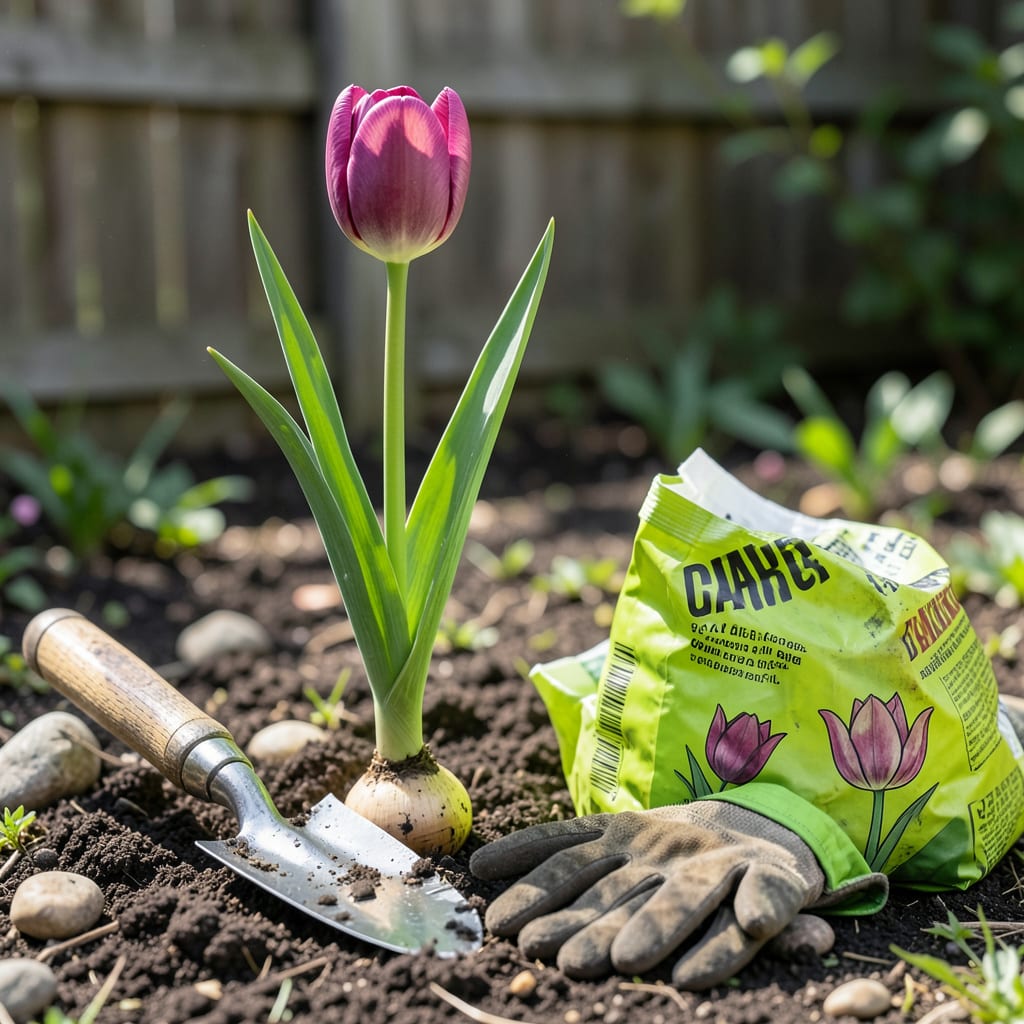
Timing your tulip planting in North Texas can make or break your spring garden. Plant too early, and you risk premature sprouting; wait too long, and you’ll miss the window for those vibrant March blooms. The difference between success and disappointment often comes down to just a few weeks.
After years of testing in our Zone 8a climate, I’ve pinpointed the exact fall window that ensures your 🌷 tulips thrive. Let’s cut through the guesswork—here’s when to get those bulbs in the ground and why it matters more than you think.
If you want vibrant tulips blooming in your North Texas garden next spring, timing your fall planting is everything. Our region’s USDA Zones 7b-8a mean we’ve got a narrow window—usually mid-October to early December—when soil temps drop below 60°F but before the first hard frost. 🌷
Here’s the kicker: North Texas weather is unpredictable. A late heatwave in October or an early freeze in November can throw off your plans. That’s why I always recommend checking local soil temps and watching the 10-day forecast before grabbing your trowel. Trust me, your bulbs will thank you! ☀️
| Planting Factor | Optimal Timing | North Texas Tip |
|---|---|---|
| Soil Temperature | Below 60°F | Use a soil thermometer—don’t guess! |
| Planting Window | Mid-October to early December | Aim for 6-8 weeks before first frost (Nov 15 avg.). |
| Depth & Spacing | 6-8” deep, 4-6” apart | Deeper in sandy soil, shallower in clay. |
| First Frost Date | November 15 (average) | Plant by early Dec if frost is late. |
| Mulching | After planting | 2-3” of mulch to insulate against temp swings. |
Pro Tip: If you miss the window, pre-chill bulbs in the fridge for 6-8 weeks before planting in late winter.
In Dallas and Fort Worth, I’ve found the sweet spot is usually late October to mid-November. This gives bulbs enough time to establish roots before winter but avoids triggering premature sprouting during a warm spell. If you’re in a warmer microclimate (like near a lake), lean toward the earlier side of the window. 🌡️
Our clay-heavy soil is another challenge. Before planting, I always amend with compost or sand to improve drainage. Tulips hate soggy feet! Dig a wide hole, mix in amendments, and plant bulbs pointy-side up. If drainage is still poor, consider raised beds—they’re a game-changer for bulbs in North Texas. 🪴
Watering is critical right after planting—give your bulbs a deep drink to settle the soil. Then, back off unless we’re in a drought. Overwatering in fall can rot bulbs before they even sprout. I use a soaker hose on low to avoid pooling. Once the ground freezes, stop watering entirely until spring. 💧
If you’re wondering about tulip varieties, not all thrive here. ‘Darwin Hybrid’ and ‘Fosteriana’ tulips handle our heat and unpredictable winters better than most. Avoid late-blooming varieties—they often get fried by our early summer heat. I’ll dive deeper into varieties in the next section, but for now, stick to early to mid-season bloomers. 🌼
One last thing: deer and squirrels love tulips. If you’re in a rural or wooded area, protect your bulbs with chicken wire or a repellent spray. I’ve lost entire beds to hungry critters—learn from my mistakes! A light dusting of blood meal can also deter them. ✂️
By following this schedule, you’ll set your tulips up for stunning spring blooms. Remember, North Texas gardening is all about adapting to the weather—not fighting it. Keep an eye on the forecast, prep your soil, and those colorful tulips will reward you come March! 🌷
Even with perfect timing, small errors can sabotage your tulip display. After years of trial and error in my Zone 8a garden, I’ve seen how these five common mistakes ruin blooms. Let’s fix them before you even pick up a trowel. 🌷
The biggest issue? Planting too shallow. Tulip bulbs need 6-8 inches of soil above them to protect against our temperature swings. In North Texas, shallow planting often means bulbs freeze in winter or bake in summer. Always measure depth from the bulb’s base!
Bonus Tip: Mark bulb locations with garden flags—it’s easy to forget where you planted!
Another silent bloom-killer? Poor drainage. Our clay-heavy soil holds water like a sponge, which rots tulip bulbs over winter. I lost an entire bed before learning this lesson! Now I amend with perlite or plant in raised beds with well-draining mix. 💧
Late planting is mistake #3. If bulbs don’t root before winter, they’ll fail to bloom. Our average first frost is November 15, so I stop planting by December 1. Missed the window? Pre-chill bulbs in the fridge for 8 weeks, then plant in late winter. ⏰
Here’s one most gardeners overlook: wrong fertilizer timing. Tulips need phosphorus for roots in fall, not nitrogen. I use a 5-10-5 bulb fertilizer at planting, then skip spring feeding—it encourages leaves over flowers. Save the balanced fertilizer for after blooms fade. 🪴
Finally, ignoring pests guarantees disappointment. Squirrels dig up bulbs, and deer munch emerging shoots. My solution? Layer chicken wire over planted areas, then cover with mulch. For deer, spray repellent in early spring when shoots appear. A little prevention saves months of frustration! ✂️
Avoid these pitfalls, and you’ll be rewarded with vibrant tulips that outshine the neighborhood. Remember, North Texas gardening is about working with our climate, not against it. Now grab those bulbs—your spring self will thank you! 🌻
Not all tulips can handle our North Texas heat and unpredictable winters. After testing dozens of varieties in my Zone 8a garden, I’ve found the top performers—and the ones that consistently disappoint. Let’s save you time and money! 🌷
The best tulips for North Texas share key traits: early to mid-season blooming, heat tolerance, and strong stems that resist wind. ‘Darwin Hybrid’ tulips top my list—they naturalize well and return for years. ‘Fosteriana’ (Emperor tulips) also thrive here, with extra-large blooms that laugh at late frosts.
Pro Tip: For cut flowers, choose ‘Triumph’ tulips—they last 7-10 days in vases!
If deer or squirrels raid your garden, prioritize ‘Greiglii’ or ‘Kaufmanniana’ tulips. Their bitter taste deters pests naturally. For containers, I love ‘Little Beauty’ (a Kaufmanniana)—it thrives in pots and re blooms for years with minimal care. 🪴
Color matters too! Red and orange tulips (like ‘Apeldoorn’) hold up better in our intense sun than pale pinks or whites, which often bleach out by April. For a long bloom season, plant early (‘Fosteriana’), mid (‘Darwin’), and late (‘Triumph’) varieties together. ☀️
Still unsure? Visit a local nursery in October—they’ll stock North Texas-proven varieties. Ask for “perennializing” tulips (ones that return yearly). And if all else fails, ‘Red Emperor’ (Fosteriana) is my foolproof pick—it’s survived droughts, late freezes, and squirrel attacks in my garden! 🌻
Planting too early (before mid-October) risks premature sprouting during warm spells. These early shoots are vulnerable to freeze damage when winter arrives. Always wait until soil temps drop below 60°F for best results.
Yes, but you’ll need to pre-chill bulbs first. Store them in the fridge for 6-8 weeks, then plant in late January. This mimics winter conditions and improves bloom chances.
North Texas heat often prevents bulbs from replenishing nutrients for next year. Try ‘Darwin Hybrid’ varieties—they’re more likely to return. Also, avoid cutting foliage until it yellows completely.
Dig 8 inches deep in clay to protect against temperature swings. Mix in compost or sand to improve drainage. Shallower planting risks bulbs freezing or rotting in our wet winters.
Water once deeply after planting to settle soil, then stop unless drought occurs. Overwatering in fall can rot bulbs before they sprout. Our winter rains usually provide enough moisture.
