
Beautiful Plants For Your Interior
Beautiful Plants For Your Interior
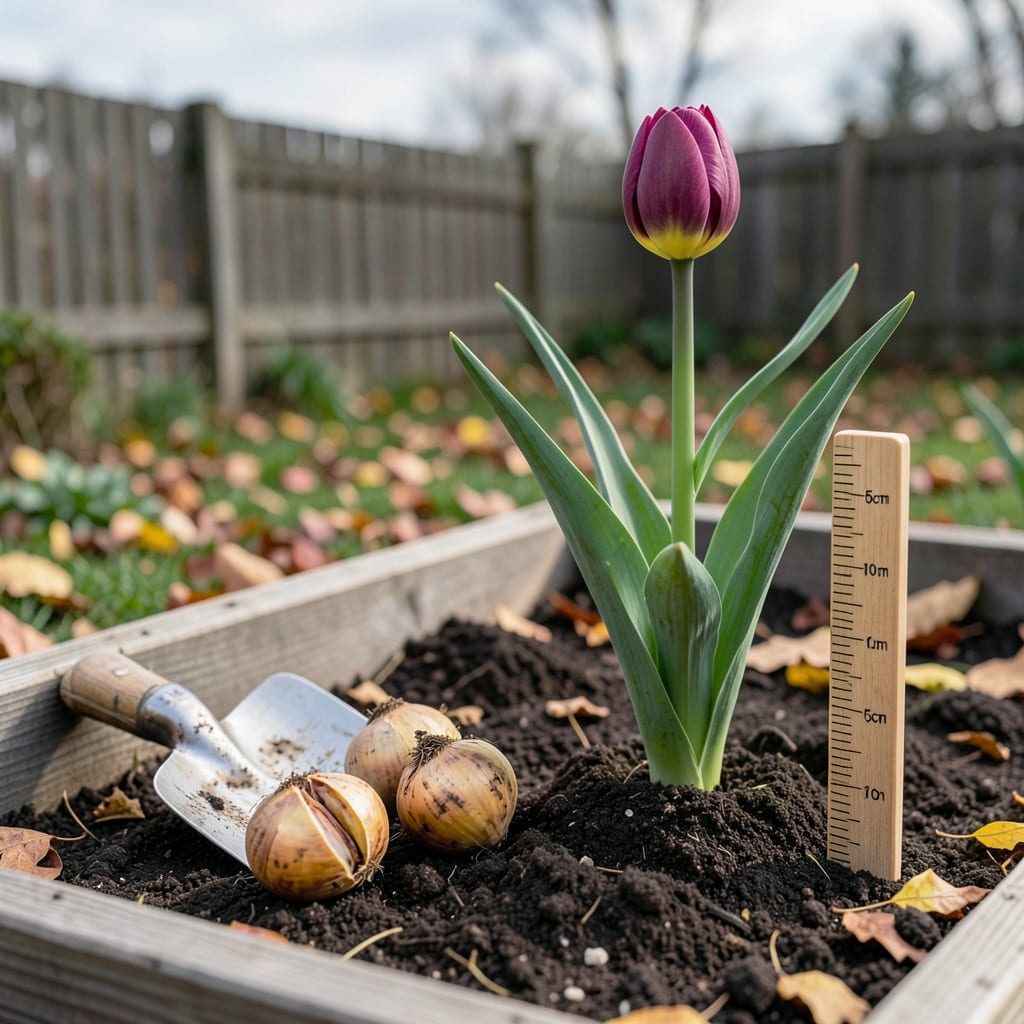
Want those iconic springtime 🌷 tulip displays that make New Jersey gardens pop? Here’s the hard truth: your success starts months earlier—long before winter’s chill sets in. Most gardeners don’t realize that fall timing is everything for tulips in our climate.
I’ll cut through the guesswork and show you exactly when to get those bulbs in the ground for Zone 6-7 conditions. Whether you’re in North Jersey’s cooler pockets or along the milder Shore, we’ll cover the critical 6-week window that separates thriving blooms from disappointing flops. Let’s get this right.
If you want those iconic spring tulip blooms in New Jersey, timing your fall planting is everything. Our state’s USDA zones 6a-7b mean you’ve got a narrow window—plant too early, and bulbs may sprout prematurely; too late, and roots won’t establish before winter. I’ll break down the perfect schedule for Northern, Central, and Southern NJ.
Here’s the golden rule: Aim for 6–8 weeks before your first frost. In NJ, that typically means mid-October to early November, when soil temps drop below 60°F. This gives bulbs time to develop strong root systems without top growth. Coastal areas can push planting to mid-November, while inland gardeners should finish by Halloween.
| Region | USDA Zone | Planting Window | First Frost Date |
|---|---|---|---|
| Northern NJ | 6a-6b | Oct 1–20 | Oct 15–25 |
| Central NJ | 6b-7a | Oct 10–30 | Oct 25–Nov 5 |
| Southern NJ/Shore | 7a-7b | Oct 20–Nov 15 | Nov 5–15 |
Adjust for microclimates: Urban areas may be 1–2 weeks later due to heat retention.
Soil temperature is your best guide—use a soil thermometer to check. When temps hit 55–60°F at 6″ depth, it’s go time. I’ve found that well-draining soil is critical in NJ’s clay-heavy regions. Amend with compost or sand to prevent bulb rot during our wet falls.
For Northern NJ gardeners (Zone 6a), that first frost often arrives by mid-October, so don’t delay. In Central NJ (Zone 6b-7a), you’ve got a bit more wiggle room—just avoid planting after Halloween. Down the Shore (Zone 7b), you can plant as late as mid-November, but bulbs need mulch protection from temperature swings.
Pro tip: If you’re planting hundreds of bulbs, stagger your schedule over 2–3 weeks. This extends your bloom season in spring. I like to plant early varieties (like ‘Fosteriana’) first, followed by mid-season (‘Darwin Hybrid’) and late bloomers (‘Parrot Tulips’) last.
Watch the 10-day forecast before planting. If unseasonably warm weather is predicted, hold off—you want bulbs to stay dormant until spring. Conversely, if a hard freeze is coming, get those bulbs in the ground ASAP and mulch heavily with straw or shredded leaves.
Remember, tulip bulbs need chill time to bloom. NJ’s winters provide this naturally, but if you’re forcing bulbs indoors, you’ll need to refrigerate them for 12–16 weeks first. For outdoor planting, our climate does the work for you—just focus on that October planting window.
If you miss the ideal window, don’t panic. You can plant tulips as late as December in NJ, but you’ll need to pre-chill bulbs in the fridge for 6 weeks first. Cover the planting area with 6 inches of mulch to insulate against frost heaving. It’s not ideal, but I’ve saved many a late-planted bulb this way!
Finally, mark your calendar for next year’s planting as soon as your tulips fade in spring. I keep a garden journal with notes like “Plant ‘Ice Cream’ tulips Oct 12—bloomed beautifully April 15.” This helps refine your timing each season for those show-stopping spring displays.
Now that you know when to plant your tulips in New Jersey, let’s focus on the how-to part. Proper planting technique makes all the difference between spectacular spring displays and lackluster blooms. I’ll walk you through my proven method for getting those bulbs in the ground just right.
Start by selecting high-quality tulip bulbs that feel firm and heavy for their size. Avoid any with soft spots or mold, as these won’t perform well. I recommend choosing varieties like ‘Darwin Hybrid’ for reliability or ‘Parrot Tulips’ for dramatic flair. Plan for about 5–7 bulbs per square foot for a lush look.
In NJ’s clay-heavy areas, add sand to planting holes for better drainage.
For planting depth, remember this rule: 3 times the bulb’s height. Most tulip bulbs are about 2 inches tall, so you’ll want to plant them 6 inches deep. In sandy coastal soils, go an inch deeper. In heavy clay (common in parts of Central NJ), plant an inch shallower to prevent rot.
Spacing matters for air circulation and future growth. I plant my tulips 4–6 inches apart for a natural look, but you can go closer for a dense display. If planting in containers, use a well-draining mix and space bulbs shoulder-to-shoulder. Remember that tulips look best in groups of 10+ rather than single rows.
After planting, water deeply to settle the soil and eliminate air pockets. Then apply a 2–3 inch layer of mulch—I prefer straw or shredded leaves. This protects bulbs from temperature fluctuations and retains moisture. In NJ’s variable climate, mulch is your best defense against frost heaving, which can push bulbs out of the ground.
For deer-prone areas (common in suburban NJ), consider planting deer-resistant varieties like ‘Tulipa greigii’ or using repellents. I’ve had success with chicken wire cages over planting areas—just remove them when shoots emerge in spring. Squirrels can also be problematic, so some gardeners add a layer of sharp gravel beneath bulbs as a deterrent.
Finally, resist the urge to water frequently after planting. Tulips need moisture to establish roots, but overwatering in fall can cause rot. Let nature handle most of the watering unless we have an unusually dry autumn. Come spring, you’ll be rewarded with those vibrant blooms you’ve been dreaming of! 🌷
Even experienced gardeners can stumble when planting tulips in New Jersey. I’ve seen beautiful bulbs turn into disappointing displays because of simple oversights. Let’s tackle the five most common mistakes I encounter in NJ gardens—and how to avoid them for those perfect spring blooms you’re dreaming of.
The biggest error? Planting too shallow. Many gardeners dig holes that are only 3-4 inches deep, but tulips need 6-8 inches of soil coverage to protect against our freeze-thaw cycles. Shallow planting leads to frost heaving, where bulbs get pushed out of the ground by winter’s expansion and contraction.
*Fix these issues for 3x more blooms next spring!
Another critical mistake is ignoring soil drainage. NJ’s clay-heavy soils can suffocate bulbs during wet falls. I always recommend amending planting areas with compost and coarse sand to create that perfect balance. If your soil stays soggy after rain, consider raised beds for your tulips—they’ll thank you with bigger blooms.
Planting too late is a heartbreaker. When bulbs go in after mid-November, they often don’t develop enough roots before winter. I’ve rescued late plantings by pre-chilling bulbs in the fridge for 6 weeks, then planting with extra mulch. But it’s always better to hit that October sweet spot when soil temps are just right.
Many gardeners also overwater after planting. While tulips need moisture to establish roots, our NJ falls are usually wet enough. I only water if we’ve had less than 1 inch of rain in a week. Overwatering leads to rot, especially in our heavy soils. Let nature do the work unless we’re in a drought.
Finally, don’t forget about pest protection. NJ’s deer and squirrels consider tulip bulbs a gourmet meal. I’ve had entire plantings disappear overnight! Use chicken wire cages during planting, or opt for deer-resistant varieties like ‘Tulipa fosteriana’. For squirrels, a layer of sharp gravel beneath bulbs can deter digging.
Remember, tulips are one-and-done performers in NJ unless you’re willing to dig and divide annually. Many gardeners treat them as annuals, planting fresh bulbs each fall. If you want perennizing tulips, choose ‘Darwin Hybrid’ varieties and feed with bulb fertilizer in early spring. With these fixes, you’ll avoid the pitfalls and enjoy those stunning spring displays! 🌷
Planting before mid-October risks premature sprouting during warm spells. Early-planted bulbs may grow leaves too soon, making them vulnerable to winter damage.
Use containers with drainage holes and well-draining potting mix. Plant at the same depth as in-ground (6-8 inches) and move pots to a sheltered spot for winter protection.
Try layering sharp gravel beneath bulbs or covering planting areas with chicken wire. Some gardeners use repellents or plant bulbs in wire cages for extra protection.
Along the Shore (Zone 7b), you can plant as late as mid-November. For best results, pre-chill bulbs in the fridge for 6 weeks if planting after this date.
No fall fertilization needed! Apply bulb food in early spring when shoots appear. Over-fertilizing in fall can encourage premature growth before winter.
