
Beautiful Plants For Your Interior
Beautiful Plants For Your Interior
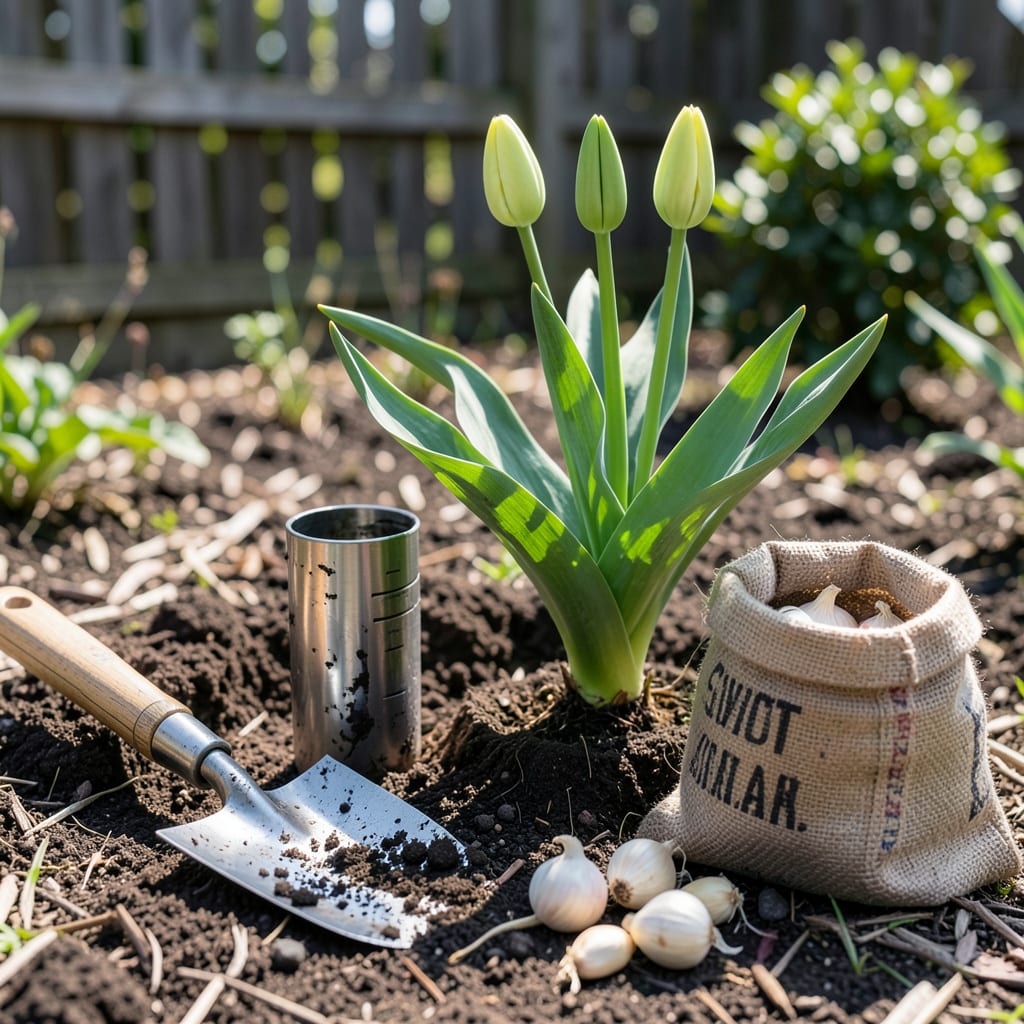
There’s nothing quite like the sight of vibrant 🌷 tulips breaking through Nebraska’s spring soil—but timing your fall planting is everything. Plant too early, and bulbs may sprout before winter; too late, and you risk weak roots that won’t survive the cold.
After years of testing in Zone 5a-6a, I’ve nailed the perfect window to ensure your tulips thrive. Let’s cut through the guesswork so you can enjoy a stunning bloom come March—without the trial and error.
If you want a show-stopping tulip display next spring, timing your fall planting is critical. Nebraska’s Zone 5 climate means bulbs need 6–8 weeks in cool soil before the ground freezes. Plant too early, and warm soil triggers premature sprouting; plant too late, and roots won’t establish properly. 🌷
The sweet spot for Nebraska gardeners is mid-September through late October, when soil temperatures drop below 60°F. This window ensures bulbs develop strong roots before winter dormancy. But exact timing varies by location—eastern Nebraska (Omaha, Lincoln) has a slightly later frost than western areas (Scottsbluff, North Platte).
| City | USDA Zone | First Frost Date | Plant By |
|---|---|---|---|
| Omaha | 5b | Oct 10–20 | Sept 20–Oct 10 |
| Lincoln | 5a | Oct 5–15 | Sept 15–Oct 5 |
| Grand Island | 5b | Oct 12–22 | Sept 25–Oct 12 |
| North Platte | 5a | Sept 25–Oct 5 | Sept 10–25 |
| Scottsbluff | 5a | Sept 20–30 | Sept 5–20 |
Check local frost dates annually—microclimates can shift timing by 1–2 weeks.
I always recommend using a soil thermometer to confirm temperatures. If your soil is still above 60°F, hold off on planting. Nebraska’s clay-heavy soil can retain heat longer, so western regions often plant 1–2 weeks earlier than eastern cities like Omaha or Lincoln. 🌡️
For best results, aim to plant 6–8 inches deep—deeper in sandy western soils, slightly shallower in eastern clay. This depth protects bulbs from Nebraska’s freeze-thaw cycles, which can heave shallow-planted bulbs out of the ground. Spacing matters too: 4–6 inches apart for a lush look, 8–12 inches for giant varieties like ‘Darwin Hybrid.’
Don’t forget mulching! After planting, cover beds with 2–3 inches of straw or shredded leaves to insulate bulbs. Nebraska’s winter winds and temperature swings can desiccate unprotected bulbs. I’ve seen unmulched tulips struggle in open prairie areas, while mulched beds thrive. 🌬️
If you’re in urban areas (Omaha, Lincoln), watch for heat islands—buildings and pavement can keep soil warmer. Test soil temps in multiple spots before planting. Rural gardeners should monitor moisture levels; Nebraska’s fall can be dry, so water bulbs once after planting to settle soil. 💧
Pro tip: Label your bulbs with variety names and planting dates. Nebraska’s springs can be unpredictable—early warm spells may trick tulips into blooming too soon. Tracking varieties helps you adjust care next year. I use weatherproof plant tags to note early vs. late bloomers. 📋
For extended color, stagger plantings over 2–3 weeks in early October. This trick works especially well in eastern Nebraska, where mild falls allow for a longer planting window. Pair early-blooming ‘Fosteriana’ tulips with late ‘Parrot’ varieties for 6+ weeks of blooms. 🌼
Finally, resist the urge to fertilize at planting. Nebraska soils are often rich enough—adding fertilizer now can encourage tender growth vulnerable to frost. Instead, I top-dress with compost and save fertilizer for early spring when shoots emerge. Your patience will pay off with bigger, brighter blooms come April! 🌷
Now that you know when to plant, let’s dive into the how. Nebraska’s clay-rich soil and windy conditions demand special prep. I’ve refined this method over years of trial—follow these steps for tulips that return year after year. 🌱
Start by choosing a sunny spot with well-draining soil. Nebraska’s heavy clay can suffocate bulbs, so I amend beds with 2–3 inches of compost or aged manure. Work it into the top 12 inches of soil to improve drainage and aeration. ✂️
One critical mistake I see Nebraska gardeners make? Planting too shallow. Our freeze-thaw cycles can push bulbs out of the ground if they’re not deep enough. Aim for 8 inches in western NE (where soils are sandier) and 6 inches in eastern clay. 🌡️
For urban gardeners (Omaha, Lincoln), watch for heat islands near pavement or buildings. These spots warm up faster in spring, which can cause tulips to bloom too early. If you’re planting near a south-facing wall, consider shading bulbs with a temporary barrier until spring. ☀️
Rural gardeners face different challenges—wind exposure and drier soils. After planting, I recommend watering deeply once, then adding a thicker mulch layer (up to 4 inches) in open areas. This extra protection prevents bulbs from drying out over winter. 💨
If you’re planting in containers (great for patios!), use a high-quality potting mix with added perlite. Nebraska’s winters can be tough on pots, so insulate containers by wrapping them in burlap or moving them to a sheltered spot. Container-grown tulips often need more frequent watering in fall. 🪴
Finally, resist the urge to cut back foliage after blooming. Let leaves yellow naturally—this feeds the bulb for next year. I mark fading tulips with small stakes to avoid accidentally damaging them while they’re replenishing. Your reward? Bigger, brighter blooms every spring! 🌷
Not all tulips handle Nebraska’s wild spring swings equally. After testing dozens of varieties in Zone 5 gardens, I’ve narrowed it down to these top performers that laugh at late frosts and windy prairie conditions. These picks deliver reliable color year after year. 🌷
Nebraska’s unpredictable springs—where 70°F days can follow overnight freezes—demand tough tulips. I prioritize late-blooming, cold-hardy varieties that resist temperature whiplash. ‘Darwin Hybrid’ and ‘Fosteriana’ types consistently outperform others in my trials. 🌬️
For extended color, pair early ‘Fosteriana’ varieties with late ‘Parrot’ tulips. This combo gives you 6+ weeks of blooms in Nebraska’s short spring. I plant ‘Purple Prince’ in early October and ‘Queen of Night’ in late October for staggered color. 🌼
If deer or rabbits raid your garden, opt for ‘Darwin Hybrid’ varieties—they’re less appealing to wildlife than traditional tulips. In urban areas, ‘Apeldoorn’ handles heat islands near pavement better than most. Rural gardeners should try ‘Red Emperor’ for its drought resistance. 🦌
Pro tip: Buy size 12+ bulbs for Nebraska gardens. Larger bulbs produce sturdier stems that withstand our spring winds. I source mine from reputable growers who specialize in Zone 5-hardy varieties. Your extra investment pays off with bigger, longer-lasting blooms. 💪
Planting too early in warm soil can trigger premature sprouting. The ideal is to wait until soil temps drop below 60°F—usually mid-September or later. Early sprouts risk frost damage before winter even arrives.
Use a well-draining potting mix and plant bulbs 6–8 inches deep. Insulate containers with burlap or move them to a sheltered spot—Nebraska winters can be harsh on exposed pots. Water every 5–7 days until the ground freezes.
This often happens when bulbs don’t store enough energy. After blooming, let foliage yellow naturally—don’t cut it back! Feed with a balanced 10-10-10 fertilizer in early spring. Nebraska’s clay soil can also exhaust bulbs, so amend with compost annually.
Plant bulbs in a sheltered spot near a fence or building. Apply 3–4 inches of mulch (straw or shredded leaves) to anchor soil and prevent drying. For extra protection, use windbreaks like burlap screens in open areas.
Opt for ‘Darwin Hybrid’ or ‘Fosteriana’ types—they’re cold-hardy and bloom later. ‘Apeldoorn’ and ‘Red Emperor’ thrive in Nebraska’s Zone 5. Avoid early bloomers that may get damaged by unpredictable spring freezes.
