
Beautiful Plants For Your Interior
Beautiful Plants For Your Interior
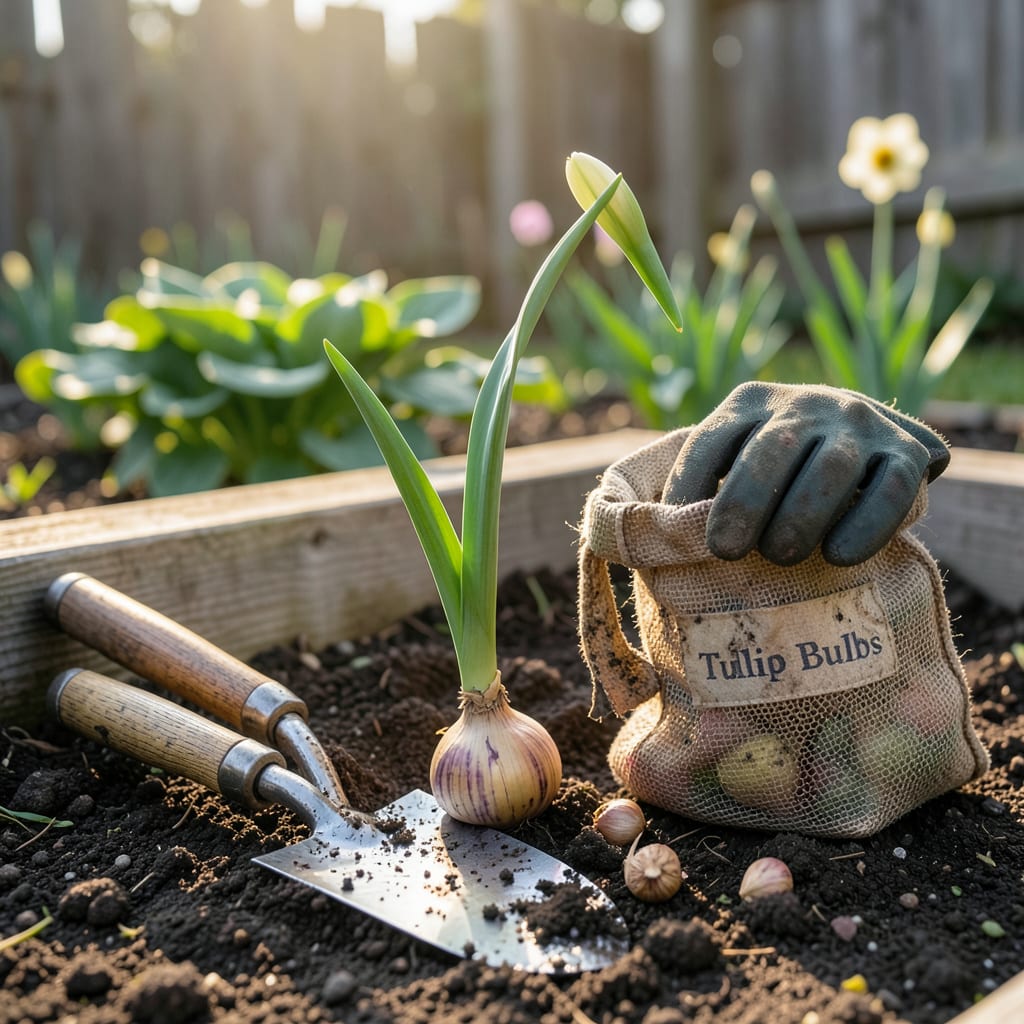
Timing your tulip planting in Minnesota can mean the difference between a stunning spring display and a disappointing no-show. Those vibrant 🌷 blooms start underground long before winter hits, and getting the timing right is everything.
I’ve seen too many gardeners plant too early or too late—both mistakes that ruin next year’s show. Let me break down the perfect window for your zone, so you can set those bulbs up for success. The secret? It’s all about soil temps and frost timing.
If you’ve ever wondered why your neighbor’s tulips burst into color while yours fizzle out, it’s likely all about timing and location. Minnesota’s USDA zones 3-5 demand precise planting windows to avoid bulb rot or frost damage. The sweet spot? 6-8 weeks before the ground freezes, when soil temps dip below 60°F.
In the Twin Cities (Zone 4b), aim for late September to mid-October. Up north near Duluth (Zone 3-4a), shift earlier by 1-2 weeks. Southern MN gardeners can push planting into late October if the weather stays mild. The key is giving bulbs enough time to root before winter but not so much they sprout prematurely.
| Region | Zone | Planting Window | Soil Temp Threshold |
|---|---|---|---|
| Duluth/North Shore | 3-4a | Sept 1–20 | Below 55°F |
| Twin Cities Metro | 4b | Sept 20–Oct 10 | Below 60°F |
| Rochester/Southern MN | 4b-5a | Oct 1–20 | Below 60°F |
Pro Tip: Use a soil thermometer to check temps at 6″ depth—where bulbs will root!
I always check the 10-day forecast before planting. If nighttime temps consistently hit 40°F or lower, it’s go time. In warmer falls, I’ll refrigerate bulbs for 6 weeks before planting to mimic winter chill. This trick works especially well for Species tulips like Tulipa tarda, which need extra cold to thrive.
For microclimates, adjust your timing. South-facing slopes or urban heat islands (like Minneapolis) can be 1-2 weeks later than shaded or rural areas. If you’re near a lake (hello, Lake Superior!), expect cooler soils—plant 7-10 days earlier than the table suggests.
Here’s my foolproof soil prep routine for MN clay: Mix 2″ of compost and 1″ of sand into the top 12″ of soil. This improves drainage and prevents bulbs from sitting in winter wetness. I also add a handful of bone meal per square foot for root development—just avoid fresh manure, which can burn bulbs.
Plant bulbs pointy-side up, 6-8″ deep (measure from the bulb’s base!). In sandy soil, go 1″ deeper; in heavy clay, 1″ shallower. Space them 4-6″ apart for bold drifts. After planting, water deeply to settle soil, then add 2-3″ of mulch (straw or shredded leaves) to insulate against MN’s temperature swings.
If deer or squirrels are a problem (and in MN, they usually are!), try layering chicken wire over the bed until spring. I’ve also had success with daffodil bulbs planted nearby—they’re toxic to critters but bloom beautifully alongside tulips. For extra protection, spray bulbs with repellent before planting.
Don’t forget to label your bulbs! I use popsicle sticks with permanent marker to track varieties—trust me, you’ll forget where you planted ‘Purple Prince’ vs. ‘Ice Cream’ by spring. Come April-May, your patience will pay off with vibrant blooms that laugh at Minnesota’s late frosts.
One last tip: If you’re planting container tulips for patios, use a well-draining mix (50% potting soil, 50% perlite) and bury pots in the ground or insulate them with burlap in an unheated garage. This prevents the freeze-thaw cycles that can heave bulbs out of the soil.
Even with perfect timing, small errors can sabotage your tulip display. I’ve seen gardeners in Minnesota’s Zone 4 make the same mistakes year after year—often without realizing it. Let’s fix that. The most common blunder? Planting too shallow, which leaves bulbs vulnerable to freeze-thaw cycles.
Another biggie: Ignoring soil drainage. Our heavy clay soils hold moisture, which rots bulbs over winter. I always amend beds with compost and sand before planting. Trust me, soggy soil is a tulip’s worst enemy. If your yard stays wet, consider raised beds or containers with drainage holes.
Quick Fix: Mark your calendar for October 1st—that’s your deadline to get bulbs in the ground in most of MN!
Here’s a mistake I made my first year: Using fresh manure as fertilizer. Big no-no! It burns bulbs and introduces weeds. Stick to bone meal or a balanced 10-10-10 fertilizer worked into the soil below the bulbs. And never fertilize in spring—tulips need nutrients at planting time to fuel roots.
Another overlooked issue? Poor bulb quality. Always buy firm, plump bulbs from reputable sellers. Soft or moldy bulbs won’t perform. I once planted discount-store bulbs that turned out to be dud hybrids—zero blooms! Now I source from MN-based nurseries like Bachman’s or Gertens, which stock cold-hardy varieties.
Don’t forget about post-planting watering. Many gardeners plant and walk away, but bulbs need one deep watering to settle soil and jumpstart root growth. After that, let nature handle it—no winter watering needed. Come spring, resist the urge to cut foliage early. Let leaves yellow naturally to feed next year’s blooms.
If your tulips flopped last year, dig up a few bulbs now. Healthy ones feel firm and heavy; rotten ones are mushy or hollow. Replace any suspects and rotate planting spots every 3-4 years to prevent disease buildup. I keep a garden journal to track performance—it’s the best way to spot patterns and improve year over year.
Last tip: Label your varieties! I use color-coded popsicle sticks (red for early bloomers, yellow for mid-season, etc.). Come spring, you’ll know which ‘Apeldoorn’ tulips to pair with your ‘Angelique’ for a staggered bloom show. And if all else fails? Darwin Hybrid tulips are nearly foolproof for MN—they naturalize, resist deer, and bloom reliably year after year.
Not all tulips can handle Minnesota’s subzero winters and unpredictable springs. After years of testing, I’ve found the toughest varieties that return reliably—even after polar vortex winters. The secret? Focus on late-blooming, cold-hardy types that resist deer and thrive in our clay soil.
At the top of my list: Darwin Hybrid tulips. These powerhouses naturalize beautifully, growing taller and stronger each year. ‘Apeldoorn’ (golden yellow) and ‘Pink Impression’ are my favorites—they bloom in late April and laugh at late frosts. Their 24-inch stems also make them perfect for cut flowers.
Best for: Naturalizing, deer resistance
Bloom: Late April
Best for: Early color, huge blooms
Bloom: Early April
Best for: Rock gardens, short borders
Bloom: Mid-April
Best for: Naturalizing, low maintenance
Bloom: March-April
For early spring color, I swear by Fosteriana tulips like ‘Purple Emperor’ or ‘Orange Emperor’. Their giant blooms (up to 6 inches wide!) appear when snow still lingers. Plant these in full sun near your home’s foundation—they’ll bloom 1-2 weeks earlier thanks to radiant heat.
If you love bold patterns, try Greigii tulips like ‘Red Riding Hood’ or ‘Toronto’. Their mottled leaves add interest even before blooms appear. At just 8-12 inches tall, they’re perfect for front-of-border planting or containers. I tuck them near hostas—their foliage hides tulip leaves as they yellow.
For low-maintenance naturalizing, Species tulips (like Tulipa tarda or T. turkestanica) are unbeatable. These wild tulips multiply yearly and thrive in poor soil. Plant them in rock gardens or along pathways—their star-shaped blooms create a magical carpet effect. Bonus: They’re deer-proof and bloom for 3+ weeks!
Pro tip: Pair tulips with companion plants to extend the show. I plant grape hyacinths and dwarf daffodils nearby—they bloom simultaneously and deter pests. For summer interest, interplant with daylilies or peonies; their foliage will mask fading tulip leaves. Always deadhead spent blooms but leave stems until they yellow completely.
Planting too early can cause bulbs to sprout prematurely before winter. When soil temps stay above 60°F, bulbs may grow shoots that get damaged by frost. Aim for late September to mid-October in most of MN to avoid this issue.
In southern MN (Zone 5), you might get away with early November planting if the ground hasn’t frozen. However, bulbs need 6-8 weeks to establish roots before winter. Check soil temps—if they’re below 50°F, it’s likely too late for optimal growth.
After planting, add 2-3 inches of mulch (straw or shredded leaves) to insulate the soil. This prevents temperature swings that can damage bulbs. In exposed areas, consider covering beds with burlap or chicken wire to block wind and critters.
Yes! Give bulbs one deep watering right after planting to help roots establish. After that, skip watering—bulbs need dry conditions over winter. Overwatering in fall can lead to rot, especially in MN’s clay-heavy soils.
Common culprits include planting too late (weak roots), poor drainage (rotten bulbs), or deer/squirrel damage. Dig up a few bulbs—if they’re mushy or hollow, replace them next fall. Healthy bulbs feel firm and heavy, like a small onion.
