
Beautiful Plants For Your Interior
Beautiful Plants For Your Interior
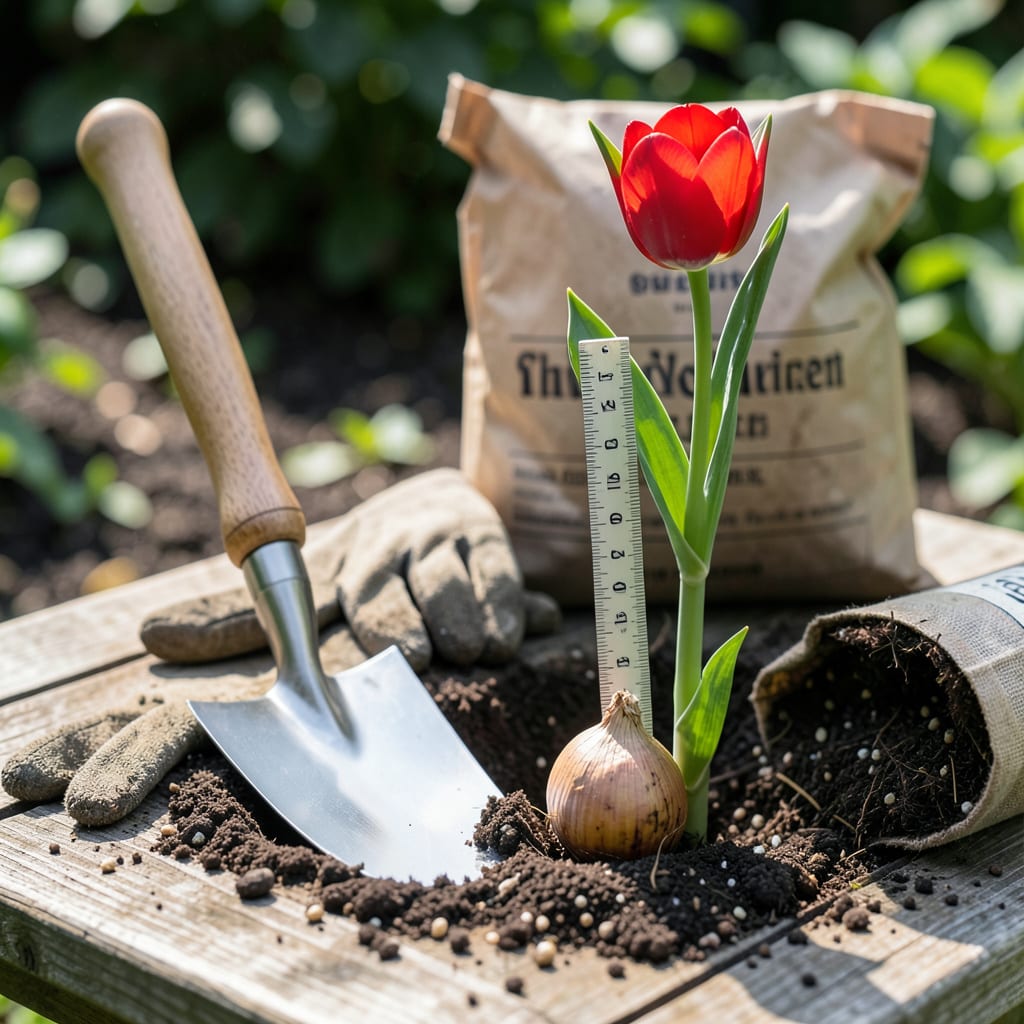
Missouri’s unpredictable weather can turn tulip planting into a guessing game—but nailing the timing means vibrant spring blooms without the stress. The key? Fall planting, but not just anytime.
I’ve tested the perfect window for Missouri’s zones, and it’s all about soil temps and frost dates. Skip the trial-and-error—I’ll show you exactly when to get those 🌷 tulip bulbs in the ground for a showstopping display next year.
If you’ve ever wondered why your neighbor’s tulips burst into color while yours fizzle, timing is likely the culprit. Missouri’s USDA Zones 5-7 demand precise fall planting—too early and bulbs sprout prematurely; too late and roots won’t establish before frost. I’ve found the sweet spot is when soil temps dip below 60°F, typically mid-October to early November.
Northern Missouri (Zone 5) gardeners should aim for early October, while southern regions (Zone 7) can push planting to late November. The goal? Give bulbs 6-8 weeks of root growth before the ground freezes. Trust me, a soil thermometer is your best friend here—no guesswork!
| Missouri Region | USDA Zone | Ideal Planting Window | Soil Temp Threshold |
|---|---|---|---|
| Northern MO | 5a-5b | Early to mid-October | Below 55°F |
| Central MO | 6a-6b | Mid-October to early November | Below 60°F |
| Southern MO | 7a | Late October to mid-November | Below 65°F |
💡 Pro Tip: Use a soil thermometer to check temps at 6-inch depth—where bulbs live!
Missouri’s first frost usually hits around October 15, but don’t let that rush you. Bulbs need time to develop roots, not shoots. If you plant too early in warm soil, you’ll get leggy, frost-damaged sprouts by winter. I once made this mistake—my tulips looked like sad, frozen noodles by February!
For clay-heavy soil (common in MO), amend beds with compost or sand to improve drainage. Tulips rot in soggy soil, so I recommend planting bulbs on a slight mound if your yard stays wet. Aim for 6-8 inches deep, pointed end up, with 4-6 inches between bulbs for best airflow.
Wondering about mulch? Absolutely yes! After planting, add a 2-3 inch layer of straw or shredded leaves to insulate bulbs. This prevents frost heave—where freezing/thawing cycles push bulbs out of the ground. I use straw because it’s lightweight and won’t smother sprouts in spring.
If you’re in urban areas like St. Louis or Kansas City, watch for heat islands—buildings and pavement can keep soil warmer longer. In these spots, delay planting by 7-10 days compared to rural areas. Rural gardeners, you’re lucky: your soil cools faster, so stick to the earlier end of the window.
What about squirrels and deer? Missouri’s wildlife loves tulip bulbs. To protect yours, try planting bulbs in wire cages or sprinkling red pepper flakes in the hole. I’ve had success with daffodil bulbs planted nearby—they’re toxic to critters but bloom beautifully alongside tulips.
Still unsure? Here’s my foolproof test: If you can comfortably wear a light jacket outside in the evening, your soil is likely cool enough for planting. Missouri’s fall weather is fickle, but tulips are forgiving if you hit that 6-week root growth window before hard frost.
Finally, resist the urge to water heavily after planting—moist, not soggy is the goal. Overwatering in fall can rot bulbs before they even sprout. Let nature handle most of the watering, and you’ll be rewarded with vibrant blooms by April. Now go grab those bulbs—your spring self will thank you! 🌷
Even experienced gardeners can sabotage their tulips with simple oversights. I’ve seen it time and again—planting too early or ignoring soil prep leads to weak blooms or no flowers at all. Missouri’s clay-heavy soil and unpredictable frost dates make timing and technique extra critical.
One year, I planted my bulbs in late September during a warm spell, and they sprouted before winter. The result? Stunted, frost-bitten leaves by spring. Lesson learned: Soil temperature trumps calendar dates. Let’s dive into the top five mistakes I see—and how to fix them before you dig.
✅ Fix just one of these, and you’ll see bigger, brighter blooms next spring!
Another classic error? Crowding bulbs for a “fuller” look. I get it—empty space feels wasteful. But tulips need 4-6 inches between bulbs for airflow and nutrient access. Pack them too tightly, and you’ll get moldy bulbs or weak stems that flop over in rain.
Missouri’s squirrels and deer are notorious bulb thieves. If you’ve ever dug up a freshly planted bed to find half your bulbs gone, you’re not alone. The fix? Plant daffodil bulbs nearby—they’re toxic to critters but harmless to tulips. Or, bury bulbs in wire mesh cages (hardware cloth works great).
Here’s a mistake I made for years: Using fresh manure as fertilizer. While it’s nutrient-rich, fresh manure burns bulb roots. Stick to well-aged compost or a balanced bulb fertilizer (like 5-10-10) at planting time. A light sprinkle of bone meal in the hole gives roots a phosphorus boost for winter.
Finally, don’t assume “more bulbs = more flowers.” Overplanting leads to competition for nutrients, resulting in smaller blooms. In Missouri’s Zone 6, I recommend 9-12 bulbs per square foot for a lush (but not overcrowded) display. And if you’re tempted to dig up bulbs after blooming? Resist! Let foliage die back naturally to feed next year’s flowers.
Remember, tulips are perennials in theory, but many Missouri gardeners treat them as annuals because our summers can be too hot for bulbs to recharge. If you want repeat blooms, plant in a spot with afternoon shade and mulch heavily to keep soil cooler. Or, dig up bulbs after foliage yellows and store them in a cool, dry place until fall.
Missouri’s soil can be a tulip’s worst enemy—heavy clay, poor drainage, and unpredictable pH levels often spell disaster for bulbs. But with a few simple tweaks, you can transform even the toughest dirt into a tulip paradise. I’ve tested these steps in my own garden, and the results speak for themselves: bigger blooms and healthier plants.
The first step is testing your soil’s pH level. Tulips thrive in slightly acidic to neutral soil (6.0–7.0 pH). Grab a soil test kit from your local extension office or garden center. If your soil is too acidic, add lime; if it’s too alkaline, mix in sulfur or peat moss. This small effort makes a huge difference in bulb health.
Clay soil? Mix in 2-3 inches of compost and 1 inch of coarse sand to improve drainage. For rocky soil, remove stones larger than a golf ball to prevent bulb damage.
Bonus: Add a handful of bone meal per square foot for extra phosphorus—tulips love this nutrient for root growth!
Next, focus on drainage. Tulips hate wet feet, and Missouri’s clay soil holds water like a sponge. To fix this, create raised beds or plant bulbs on a slight mound. If digging isn’t an option, amend the soil with organic matter like compost or well-rotted manure. I’ve found that pine bark fines also help loosen heavy soil.
When planting, dig holes 6–8 inches deep—deeper in warmer zones (like southern Missouri) to keep bulbs cooler. Space bulbs 4–6 inches apart for airflow, which reduces fungal risks. Place bulbs pointy-end up, then backfill with your amended soil. Press gently to remove air pockets, but don’t compact the soil too tightly.
After planting, water thoroughly to settle the soil, then add a 2–3 inch layer of mulch. Straw or shredded leaves work best—they insulate bulbs from Missouri’s freeze-thaw cycles while allowing moisture to penetrate. Avoid heavy mulches like wood chips, which can smother emerging sprouts in spring.
Finally, mark your planting spots with biodegradable flags or sticks. This prevents accidental digging and helps you track varieties. Come spring, you’ll be rewarded with vibrant, healthy tulips that stand out in your neighborhood. Now grab your trowel—your soil is ready! 🌷
Planting before soil cools below 60°F can cause premature sprouting. These early shoots often get damaged by frost, leading to weak or no blooms in spring.
Try planting bulbs in wire mesh cages or sprinkling red pepper flakes in the hole. Planting daffodils nearby also helps—they’re toxic to critters but won’t harm tulips.
Spring-planted tulips rarely bloom that year. They need 12-16 weeks of cold to develop properly. For spring color, plant pre-chilled bulbs in pots indoors.
Use 2-3 inches of straw or shredded leaves. These materials insulate bulbs from freeze-thaw cycles while allowing moisture through. Avoid heavy wood chips that can smother sprouts.
In Missouri’s clay, plant 6-8 inches deep and consider mounding soil slightly. This improves drainage while giving roots room to establish before winter.
