
Beautiful Plants For Your Interior
Beautiful Plants For Your Interior
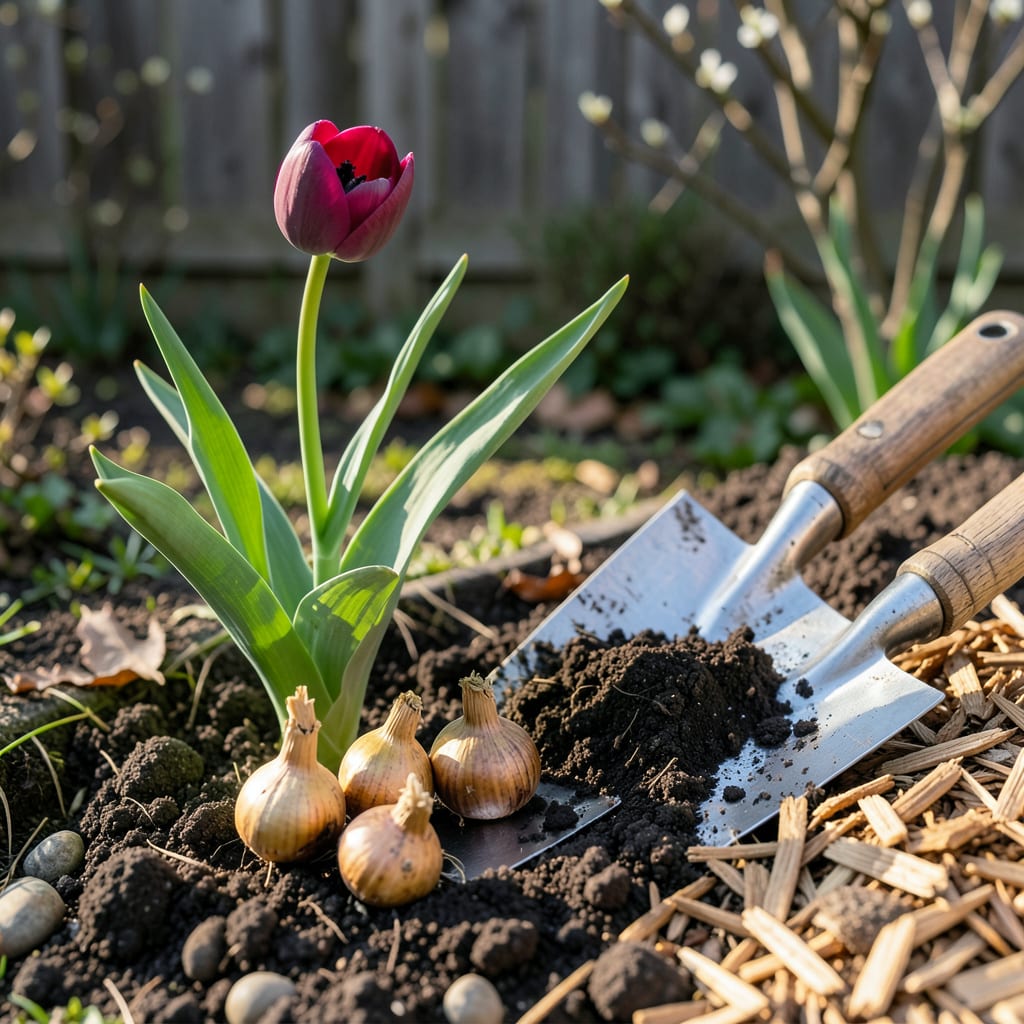
There’s nothing quite like the sight of vibrant 🌷 Tulips bursting into bloom after a long Kansas winter—but timing your planting wrong could leave you with a lackluster spring display. Too early, and bulbs may sprout prematurely; too late, and they won’t root properly before the freeze.
After years of testing, I’ve nailed the perfect fall window for Kansas gardeners. Whether you’re in Wichita or Kansas City, I’ll show you exactly when to get those bulbs in the ground for a showstopping display. Let’s dig in.
If you want a vibrant spring tulip display in Kansas, timing your fall planting is everything. The ideal window is when soil temps drop below 60°F—usually mid-October to early November for most of the state. Plant too early, and bulbs may sprout; too late, and roots won’t establish before winter.
Kansas spans USDA Zones 5-7, meaning your exact timing depends on where you live. Eastern Kansas (like Kansas City) can plant slightly later than western regions (near Dodge City), where colder temps arrive sooner. Let’s break it down by region and zone.
| Region | USDA Zone | Ideal Planting Window | Soil Temp Trigger |
|---|---|---|---|
| Eastern KS (KC, Topeka) | Zone 6a-6b | Oct 15–Nov 10 | Below 60°F at 6″ depth |
| Central KS (Wichita, Salina) | Zone 6a | Oct 10–Nov 1 | Below 58°F at 6″ depth |
| Western KS (Dodge City, Garden City) | Zone 5b-6a | Oct 1–Oct 25 | Below 55°F at 6″ depth |
Check local soil temps with a thermometer or use this tool for real-time data.
In Zone 5 areas (like Goodland), aim for early October planting—these regions see frost sooner, so bulbs need extra time to root. For Zone 7 pockets (near the Missouri border), you can push planting to mid-November if soil stays cool but not frozen.
Why does soil temp matter? Tulips need 6–8 weeks of chilling (below 50°F) to bloom properly. Planting when soil is 55–60°F ensures roots grow before winter dormancy. Use a soil thermometer or check your local extension office for updates.
If you miss the window, don’t panic! You can still plant bulbs until the ground freezes, but mulch heavily (4–6 inches of straw) to insulate. Avoid planting in September—warm soils may trigger premature sprouting, which winterkill can destroy.
For microclimates (like urban heat islands or sheltered yards), adjust by 1–2 weeks later. South-facing beds warm faster in spring, so plant slightly deeper (8 inches) to delay blooming if you want synchronized flowers.
Pro tip: Pair tulips with daffodils or hyacinths for layered spring color. Both thrive in Kansas and deter pests like squirrels and deer—just plant daffodils 2 weeks earlier since they need more chilling.
Still unsure? Grab a handful of soil—if it feels cool to the touch and crumbles easily (not muddy or frozen), it’s tulip-planting time. Now’s the moment to dig in and secure next spring’s showstopping blooms! 🌷
Now that you know when to plant your tulips in Kansas, let’s talk about how to do it right. Proper planting ensures your bulbs establish strong roots before winter and burst into color come spring. Follow these steps for a foolproof tulip display.
Start by choosing a sunny spot with well-draining soil. Tulips thrive in 6+ hours of sunlight and despise soggy roots. If your Kansas soil is heavy clay, amend it with compost or sand to improve drainage. A quick soil test can reveal if you need to adjust pH (aim for 6.0–7.0).
For container planting, use a pot with drainage holes and a mix of potting soil + perlite.
In Kansas, mulching is non-negotiable. Our winters can swing from freezing nights to mild days, which confuses bulbs. A thick mulch layer keeps soil temps steady and prevents frost heave (when bulbs get pushed out of the ground). Straw works best—it’s lightweight yet insulating.
After planting, water weekly until the ground freezes, unless rain provides 1 inch per week. Overwatering is a common mistake—tulips rot in soggy soil. If you’re in western Kansas (drier climate), check moisture levels with your finger before watering. In eastern Kansas, rainfall is usually sufficient.
Want bigger blooms? Try the “lasagna planting” method: Layer bulbs at different depths (e.g., daffodils deep, tulips mid-level, crocuses shallow) in the same hole. This creates a succession of color and maximizes space. Just ensure each layer has 1–2 inches of soil between bulbs.
Avoid cutting foliage after blooming—let it yellow naturally (about 6 weeks). The leaves feed the bulb for next year’s flowers. If the dying foliage bothers you, plant tulips behind perennials like hostas to hide the brown leaves. Mark bulb locations with garden stakes to avoid accidental digging.
By spring, you’ll be rewarded with vibrant tulips that pop against Kansas’ early greenery. Pair them with pansies or grape hyacinths for a layered look. Now grab your trowel—it’s time to plant the foundation for next year’s garden masterpiece! 🪴
Even with perfect timing, small mistakes can ruin your tulip display. After helping dozens of Kansas gardeners troubleshoot their bulbs, I’ve seen the same issues pop up again and again. Let’s fix them before they wreck your spring blooms.
The biggest culprit? Planting too shallow. Tulips need 6–8 inches of soil above them to protect against Kansas’ freeze-thaw cycles. Shallow bulbs often heave out of the ground or dry out. Always measure depth from the bulb’s base—not the tip.
*Fix these, and you’ll double your blooms next spring!
Another silent killer is poor drainage. Kansas’ clay soil holds water like a sponge, drowning bulbs. If your yard stays wet after rain, plant tulips in raised beds or amend soil with perlite or pine bark fines. Test drainage by digging a 12-inch hole, filling it with water, and timing how long it takes to empty. Anything over 1 hour needs improvement.
Ever had tulips flop over mid-bloom? That’s usually from late-season nitrogen. Avoid high-nitrogen fertilizers after planting—stick to balanced 10-10-10 in fall and low-nitrogen 5-10-10 in spring. Too much nitrogen = lush leaves but weak stems. For organic options, try bone meal (1 tbsp per bulb) at planting time.
Deer and squirrels love tulip bulbs like candy. In rural Kansas, critters can wipe out a bed overnight. Protect bulbs by planting daffodils or alliums nearby—they’re toxic to pests. For heavy pressure, lay chicken wire over planted areas (remove in spring) or spray bulbs with hot pepper wax before planting. Container gardeners: elevate pots on wire mesh stands to foil diggers.
Finally, don’t replant tulips in the same spot yearly. Kansas soil-borne diseases like tulip fire build up over time. Rotate beds every 2–3 years, or lift bulbs after foliage dies to divide and replant in fresh soil. If you notice spotted leaves or stunted growth, solarize the bed next summer by covering it with clear plastic for 6 weeks to kill pathogens.
By dodging these pitfalls, you’ll get bigger, brighter tulips that return year after year. Next spring, while your neighbors wonder why their bulbs flopped, you’ll be snipping armfuls of perfect blooms for bouquets. Now go fix those mistakes—your future self will thank you! 🌷
Planting before soil cools below 60°F can cause premature sprouting. Warm temperatures trick bulbs into thinking it’s spring, leading to weak shoots that winterkill easily. Wait until mid-October for most regions to avoid this issue.
You can, but it’s risky. Bulbs need 6-8 weeks to establish roots before hard freezes. If planting late, add 4-6 inches of mulch and water thoroughly. Eastern Kansas has slightly more flexibility than western regions.
Dig holes 6-8 inches deep, measuring from the bulb’s base. In heavy clay, aim for the shallower end (6 inches) to prevent waterlogging. Amend soil with compost to improve drainage and root growth.
Kansas summers often don’t provide enough heat for bulbs to recharge. Cutting foliage too soon (before it yellows) also weakens them. Try lifting bulbs after foliage dies, storing in a cool/dry place, and replanting in fall.
Use straw or shredded leaves (3-4 inches thick). They insulate against temperature swings while allowing airflow. Avoid hay (weed seeds) or plastic (traps moisture). Remove mulch gradually in spring as shoots emerge.
