
Beautiful Plants For Your Interior
Beautiful Plants For Your Interior
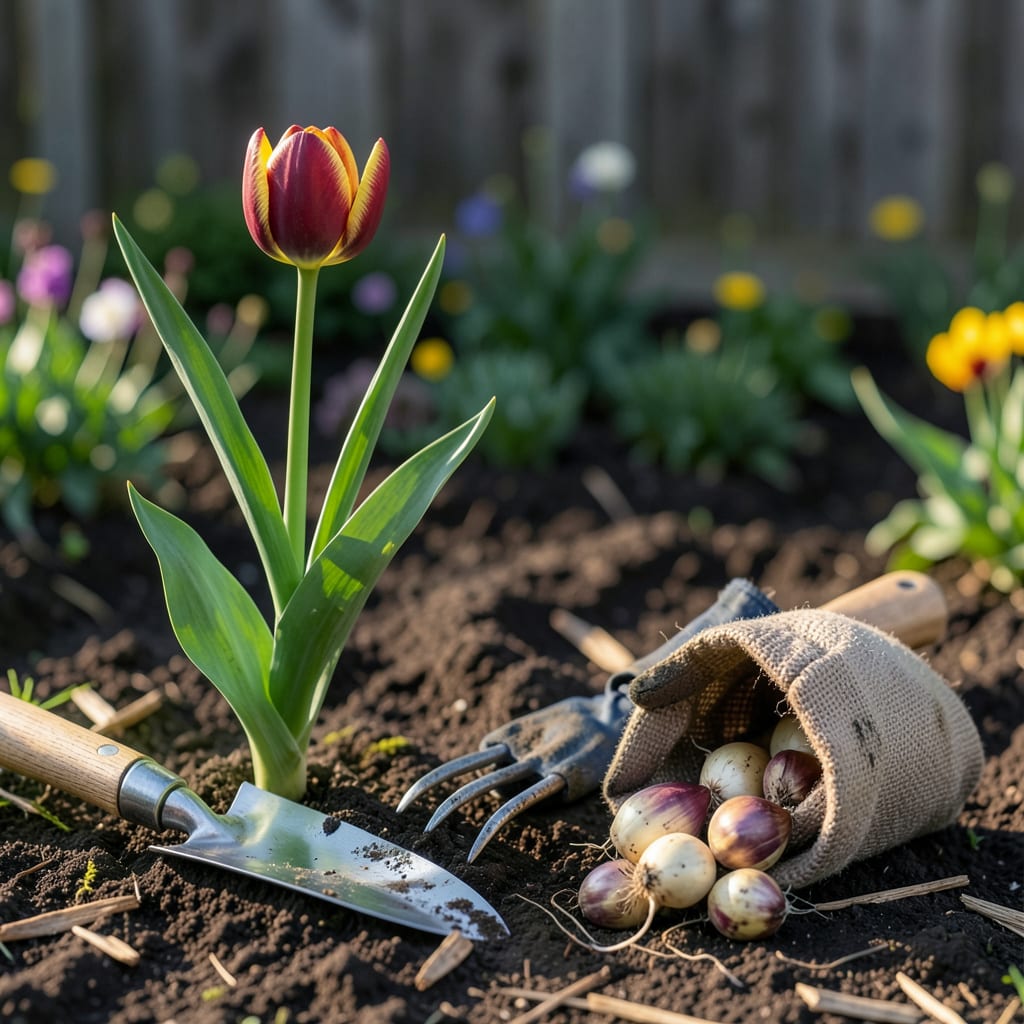
Timing your tulip planting in Arkansas can mean the difference between a stunning spring display and a disappointing no-show. Those iconic 🌷 blooms depend entirely on when you get the bulbs in the ground—too early or late, and you risk weak roots or rot.
After years of testing what works in our unpredictable Zones 7a-8b, I’ve nailed down the exact fall window that gives tulips the chill period they crave. Let me break down the science-backed schedule so you can plant with confidence—and enjoy vibrant colors come March.
If you’ve ever wondered why your tulips didn’t bloom in spring, the answer often comes down to when you planted them. Arkansas’s varied climate—spanning USDA Zones 6a to 8b—means timing isn’t one-size-fits-all. The key? Planting when soil temps dip below 60°F, but before the ground freezes.
In northern Arkansas (Zones 6a-7a), aim for early to mid-October. Southern gardeners (Zones 7b-8b) can push planting to late October through November. This window gives bulbs 6-8 weeks to root before winter—critical for spring success. 🌷
| Zone | Planting Window | First Frost Date | Soil Temp Target |
|---|---|---|---|
| 6a-6b | Oct 1–15 | Oct 15–25 | Below 55°F |
| 7a-7b | Oct 15–31 | Oct 25–Nov 5 | Below 60°F |
| 8a-8b | Nov 1–15 | Nov 10–20 | Below 60°F |
*Plant 6-8 weeks before first frost for optimal root growth.
Why does soil temperature matter? Tulip bulbs need cool soil to trigger root development, but not freezing temps. Use a soil thermometer—or check local reports—to hit that 55–60°F sweet spot. Too warm, and bulbs may rot; too cold, and roots won’t establish.
Pro tip: If you miss the ideal window, you can plant tulips as late as early December in Zone 8b—just add 2–3 inches of mulch (straw or shredded leaves) to insulate the soil. This mimics nature’s blanket, protecting bulbs from temperature swings that plague Arkansas winters.
For northern Arkansas (like Fayetteville or Bentonville), err on the earlier side. A September 30 planting ensures roots dig deep before frost. In central Arkansas (Little Rock, Conway), mid-October is perfect. Down south (Texarkana, El Dorado), you’ve got until mid-November—but don’t delay!
Remember: Tulips planted too late often fail to bloom or produce weak stems. If life gets busy, set a phone reminder for October 15—that’s the safe middle ground for most of the state. Pair planting with a light fertilizer (5-10-5 NPK) to fuel early root growth.
What if Arkansas throws a heatwave in October? Hold off until temps drop. Bulbs planted in warm soil may sprout prematurely, leaving them vulnerable to winter kill. I once lost a batch of ‘Apeldoorn’ tulips by planting too early—learn from my mistake!
Finally, mark your calendar for spring care: Once blooms fade, let foliage yellow naturally. This feeds the bulb for next year’s show. In Arkansas’s humidity, fungal diseases can strike—space bulbs 4–6 inches apart for airflow and water at the base, not overhead. 🌱
Ready to dig in? Grab your bulbs, a trowel, and that bag of mulch. Your future self will thank you come April, when vibrant tulips steal the show in your garden. For extra insurance, pair tulips with daffodils—they’re deer-resistant and bloom around the same time!
Even with perfect timing, small errors can sabotage your tulip display. After helping dozens of Arkansas gardeners troubleshoot their 🌷 tulip fails, I’ve pinpointed the five most common mistakes—and how to fix them before you even plant.
First up: planting depth. Tulip bulbs need to be 6–8 inches deep—any shallower, and they’re vulnerable to freezing; deeper, and they may not sprout. Use a ruler to measure from the bulb’s base to the soil surface. This isn’t the time for guesswork! 🌱
*Bonus: Avoid overhead watering—it spreads fungal diseases in Arkansas’s humidity!
Another biggie: soil prep. Tulips despise clay-heavy soil, which is common in parts of Arkansas. Before planting, mix in 2–3 inches of compost or aged manure to improve drainage. I’ve seen bulbs rot overnight in unamended clay—don’t let it happen to you!
Ever had tulips flop over in spring? That’s often from planting too late. Bulbs need 6–8 weeks to root before frost. In Zone 8b, you can plant as late as early December, but earlier is always safer. Set a reminder for October 15—that’s your fail-safe date.
Bulb quality matters more than you think. Cheap, undersized bulbs (less than 12cm around) often produce weak stems or no blooms. Invest in top-size bulbs from reputable sellers. For Arkansas’s heat, I swear by ‘Darwin Hybrid’ or ‘Fosteriana’ tulips—they’re tougher and longer-lasting.
Deer and squirrels are the bane of Arkansas tulip lovers. If you garden in rural areas, protect bulbs with chicken wire at planting or interplant with daffodils (which critters avoid). In suburbs, repellent sprays like Liquid Fence work wonders—apply at planting and monthly.
Finally, resist the urge to cut foliage after blooms fade! Those ugly yellow leaves feed the bulb for next year. Instead, braid or fold leaves to tidy them up while they photosynthesize. In Arkansas’s humidity, fungal diseases thrive on damp foliage—water at the base, not overhead, to keep leaves dry. ✂️
Not all tulips thrive in Arkansas’s sweltering summers and unpredictable springs. After testing dozens of varieties in my own Little Rock garden, I’ve found the top performers that laugh at heat, shrug off humidity, and even handle late frosts. Here’s your shortcut to foolproof color.
The secret? Choosing tulips bred for warm climates or with strong disease resistance. Arkansas’s Zone 7a-8b demands varieties that won’t fizzle out after one season. I prioritize perennializing tulips—those that return for 3+ years—like ‘Darwin Hybrid’ or ‘Fosteriana’ types. 🌷
Why? Thrive in Zone 8b’s heat; large blooms.
Why? Struggle with humidity; often one-year wonders.
Plant tulips with daffodils or alliums to deter critters. In rural areas, add chicken wire at planting time.
For early color, ‘Fosteriana’ tulips (like ‘Purple Emperor’) bloom in late February—perfect for Arkansas’s mild winters. Their huge flowers (up to 6” wide!) make a statement. For late-season drama, ‘Darwin Hybrids’ (e.g., ‘Pink Impression’) extend the show into May.
Humidity lovers, take note: ‘Greiglii’ tulips (like ‘Red Riding Hood’) have waxy petals that resist fungal spots. Their mottled leaves add interest even after blooms fade. For cutting gardens, ‘Triumph’ tulips (e.g., ‘Gavota’) hold their shape for 10+ days in a vase—just harvest when buds show color but aren’t open.
Pro tip: Mix early, mid, and late varieties for 8+ weeks of blooms. I layer bulbs in my Little Rock beds: ‘Red Emperor’ (early) + ‘Angelique’ (mid) + ‘Menton’ (late). This “lasagna planting” method maximizes space and extends color without extra work. 🪴
Finally, for container gardeners, choose ‘Kaufmanniana’ tulips (like ‘Heart’s Delight’). Their compact size (6–10” tall) and early blooms make them ideal for pots. Use a well-draining mix (50% potting soil + 50% perlite) and move containers to a sheltered spot during heavy rains to prevent rot.
Planting too early in warm soil can cause bulbs to sprout prematurely. These early shoots are vulnerable to winter freezes, which often kill them before spring. Always wait until soil temperatures drop below 60°F—typically mid-October for most of the state.
In Zone 8b (southern Arkansas), you can plant as late as early December. Just add 2–3 inches of mulch (straw or shredded leaves) to insulate the soil. For Zones 6a-7b, December planting risks poor root development—stick to October-November for best results.
Use a soil thermometer to check temperatures at 6-inch depth. Ideal planting temps are 55–60°F. No thermometer? Watch for consistent nighttime air temps in the 40s–50s—this usually means soil is ready. Local weather reports often include soil temp data too.
Apply 2–3 inches of organic mulch (straw, shredded leaves, or pine bark) after planting. This moderates soil temps, preventing freeze-thaw cycles that can damage roots. In rural areas, add chicken wire over beds to deter critters—remove it when shoots emerge in spring.
Container-planted tulips need 1–2 weeks earlier planting since pots expose roots to colder temps faster. Use well-draining potting mix and move containers to a sheltered spot (like against a south-facing wall) for winter. In-ground beds are more forgiving with timing.
