
Beautiful Plants For Your Interior
Beautiful Plants For Your Interior
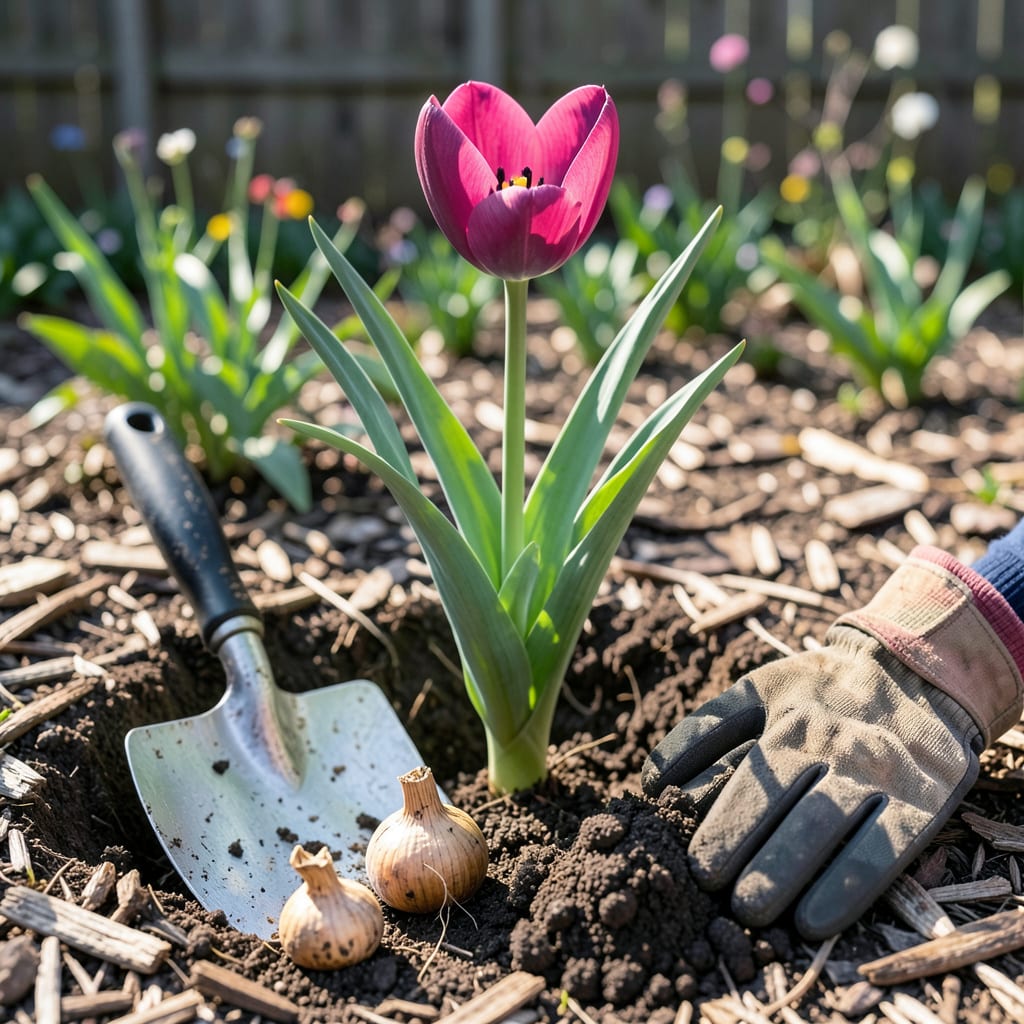
Imagine your Alabama garden bursting with vibrant 🌷 tulips next spring—but here’s the catch: timing is everything. Plant those bulbs too early, and they might sprout prematurely. Wait too long, and you’ll miss the window for those show-stopping blooms.
I’ve seen gardeners across the state struggle with this exact issue. The good news? With Alabama’s unique climate zones, there’s a perfect sweet spot for planting that ensures your tulips thrive. Let me show you exactly when to get those bulbs in the ground for maximum impact.
If you want those iconic tulip blooms to steal the show next spring, timing your planting is absolutely critical in Alabama. Our state’s unique climate—spanning USDA Zones 7a through 9a—means what works in Huntsville might not fly in Mobile. The golden window? Mid-October through early December, when soil temps dip below 60°F.
Here’s why fall planting is non-negotiable: tulips need 12-16 weeks of chilling to trigger spring blooms. Plant too early in warm soil, and you risk premature sprouting. Wait too long, and bulbs won’t establish roots before winter. Alabama’s unpredictable weather makes this timing especially tricky, but I’ll show you how to nail it.
| Alabama Region | USDA Zone | Ideal Planting Window | First Frost Date | Soil Prep Tip |
|---|---|---|---|---|
| North Alabama (Huntsville, Decatur) |
7a-7b | Oct 15 – Nov 15 | Nov 1-10 | Add 2″ compost for clay soil |
| Central Alabama (Birmingham, Montgomery) |
7b-8a | Oct 25 – Dec 1 | Nov 15-25 | Test drainage—tulips hate wet feet |
| South Alabama (Mobile, Dothan) |
8a-9a | Nov 10 – Dec 10 | Dec 1-15 | Mulch with 3″ pine straw |
| Coastal Areas (Gulf Shores, Orange Beach) |
8b-9a | Nov 20 – Dec 15 | Dec 10-20 | Pre-chill bulbs 6 weeks if planting late |
North Alabama gardeners, you’re working with cooler soils earlier in the season. I recommend planting closer to mid-October to give bulbs extra root-growing time before hard freezes. In Central Alabama, that late October to early December window is perfect—just watch the 10-day forecast for sudden cold snaps.
Now, South Alabama and coastal areas, here’s your challenge: warmer winters mean soil stays above 60°F longer. If you’re in Zone 9a, you’ve got two options. First, plant by early December and cross your fingers for enough chilling. Second—my preferred method—pre-chill bulbs in your fridge for 6-8 weeks before planting.
Soil temperature is your best planting guide. Grab a cheap soil thermometer (I use one with a long probe) and check at 6 inches deep. When it consistently reads 55-60°F, that’s your green light. Remember, tulips need well-draining soil—Alabama’s clay can be problematic, so amending with compost or sand is crucial.
Here’s a trick I swear by for Alabama’s finicky weather: stagger your planting. Put in a third of your bulbs in late October, another third in mid-November, and the final batch by early December. This hedges your bets against unseasonable warm spells or early freezes, giving you blooms from early to late spring.
Don’t forget about microclimates in your yard. South-facing beds warm up faster—great for early blooms but risky if planted too early. North-facing or shady spots stay cooler longer, which can be perfect for late-planted bulbs. I’ve had best results planting my early bloomers (like ‘Early Harvest’ tulips) in cooler spots and late-season varieties in sunnier areas.
Lastly, keep an eye on the long-range forecast. If we’re expecting an unusually warm fall (which happens more often these days), you might need to delay planting by 1-2 weeks or pre-chill bulbs. Conversely, if an early cold snap is predicted, get those bulbs in the ground ASAP and mulch heavily with 3-4 inches of straw or shredded leaves.
Timing tulips in Alabama is part science, part art, and all about paying attention to your specific location. But when you get it right? That first sight of vibrant tulip colors popping through the soil in early spring makes every bit of planning worthwhile. Trust me, your future self will thank you when your garden becomes the talk of the neighborhood come April! 🌷
Now that you know when to plant, let’s talk about how to plant tulips for Alabama success. Our state’s clay-heavy soil and unpredictable winters demand special attention. I’ll walk you through my proven method that’s helped countless Alabama gardeners achieve stunning spring displays.
First things first: soil preparation is everything. Alabama’s native soil tends to be acidic and clay-rich, which tulips despise. I recommend testing your soil pH (aim for 6.0-7.0) and amending with compost and sand to improve drainage. A good rule of thumb is to mix in 2-3 inches of organic matter to your planting area.
For coastal Alabama gardeners, here’s a crucial tip: our warmer winters mean you might need to pre-chill bulbs. Place them in a paper bag in your fridge’s crisper drawer for 6-8 weeks before planting. This mimics the cold period they’d get in northern climates.
When planting, I always recommend using a bulb planter tool—it makes digging perfect holes a breeze. If you’re planting in containers, choose ones at least 12 inches deep and use a high-quality potting mix. Remember that container-grown tulips will need more frequent watering than those in the ground.
Here’s an Alabama-specific trick I’ve perfected: layer your bulbs for continuous blooms. Plant late-blooming varieties deepest (8 inches), mid-season at 6 inches, and early bloomers at 4 inches. This creates a stunning succession of color from March through May.
After planting, resist the urge to water daily. Tulips need moist but not soggy soil. I check moisture by sticking my finger 2 inches into the soil—if it’s dry, it’s time to water. Come spring, when shoots appear, you can switch to a balanced fertilizer (10-10-10) to support strong stems and vibrant blooms.
Remember, Alabama’s humid springs can encourage fungal diseases. To prevent issues, I recommend removing spent blooms but leaving foliage until it yellows. This allows the bulb to store energy for next year. With proper care, your tulips can naturalize and return for 3-5 years of stunning displays! 🌷
Even experienced Alabama gardeners can stumble when growing tulips. Our unique climate presents challenges that don’t exist in northern states. Let me share the three biggest mistakes I see Alabama gardeners make—and how you can avoid them for spectacular spring blooms.
The first mistake is planting too late in our warmer zones. Many gardeners wait until December, but by then, soil temperatures in South Alabama might still be too warm. Remember, bulbs need 12-16 weeks of chilling below 60°F to bloom properly.
The second critical error is not pre-chilling bulbs in warmer zones. I’ve lost count of how many disappointed gardeners in Mobile or Gulf Shores have told me their tulips didn’t bloom. The solution is simple: place bulbs in a paper bag in your fridge’s crisper drawer for 6-8 weeks before planting.
Another common issue is poor drainage preparation. Alabama’s clay soil holds water like a sponge, which spells disaster for tulip bulbs. I recommend creating raised beds or amending soil with coarse sand and compost to improve drainage. A good test: dig a 12-inch hole, fill with water, and time how long it takes to drain.
Finally, many gardeners forget about post-bloom care. After your tulips flower, resist the urge to cut back foliage. The leaves need 6 weeks to photosynthesize and store energy for next year. Instead, remove just the flower heads and let the leaves yellow naturally. This simple step can mean the difference between one-time blooms and years of enjoyment.
By avoiding these common pitfalls—proper timing, pre-chilling when needed, soil preparation, and post-bloom care—you’ll set your Alabama tulips up for success. Remember, our climate is different, so what works in Michigan won’t necessarily work here. With these adjustments, you’ll be rewarded with vibrant, healthy tulips that make your spring garden the envy of the neighborhood! 🌷
Planting too early in warm soil can cause premature sprouting. Tulips need 12-16 weeks of chilling below 60°F to bloom properly. Early planting risks weak stems or no flowers at all.
Yes! In Zones 8-9, bulbs often don’t get enough natural chilling. Store them in your fridge for 6-8 weeks before planting. This mimics winter conditions needed for spring blooms.
Plant bulbs 6 inches deep (8 inches in sandy soil). In clay-heavy areas, amend with compost first. Proper depth protects against temperature swings and ensures strong root development.
Use containers at least 12 inches deep with drainage holes. Container-grown tulips need more frequent watering than in-ground bulbs. Mulch topsoil to protect against winter temperature fluctuations.
Common reasons include: not enough chilling hours, poor drainage, or cutting foliage too soon. Leave leaves until yellowed (about 6 weeks post-bloom) to nourish next year’s flowers.
