
Beautiful Plants For Your Interior
Beautiful Plants For Your Interior
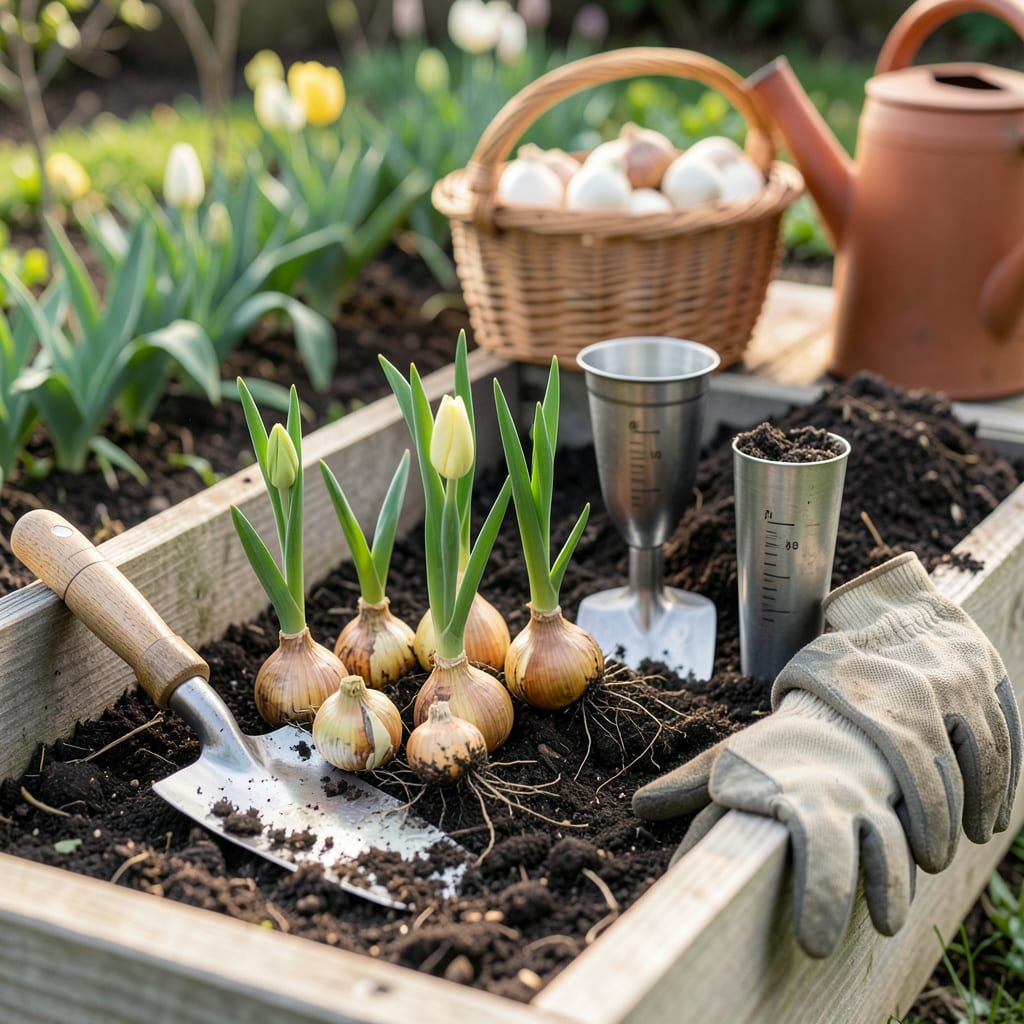
Picture this: next spring, your Tennessee garden exploding with vibrant 🌷 tulips—but only if you nail the timing now. Plant those bulbs too soon, and they might sprout prematurely. Wait too long, and you risk weak roots before winter hits.
I’ve seen gardeners in Zone 7a miss their window by just weeks, costing them a season of color. The good news? There’s a perfect fall sweet spot for Tennessee soil, and I’ll show you exactly how to hit it. Let’s dig in—literally.
If you want show-stopping tulips next spring, timing is everything in Tennessee. The ideal window spans from mid-October to early December, but your exact dates depend on which of the state’s three USDA zones (6a, 6b, or 7a) you call home.
Here’s the secret: Soil temperature matters more than calendar dates. Aim to plant when the ground cools to 50–60°F—about 6–8 weeks before your first hard freeze. In Nashville (Zone 7a), that’s early November. In the mountains (Zone 6a), you’ll want to start by late October.
| USDA Zone | Tennessee Regions | Best Planting Window | Soil Temp Goal |
|---|---|---|---|
| 6a | Mountains (e.g., Johnson City) | Oct 15–Nov 1 | 45–55°F |
| 6b | Knoxville, Chattanooga | Oct 25–Nov 10 | 50–60°F |
| 7a | Nashville, Memphis | Nov 1–Nov 20 | 55–65°F |
Note: Adjust 1–2 weeks earlier for high elevations or later for urban heat islands.
Why does this timing work? Tulip bulbs need 12–16 weeks of chilling (below 40°F) to trigger spring blooms. Plant too early in warm soil, and they’ll sprout prematurely. Too late, and roots won’t establish before winter. A soil thermometer (under $10!) takes the guesswork out.
In West Tennessee (Zone 7a), the milder winters mean you can push planting to mid-November. But in East Tennessee’s higher elevations, aim for late October. Pro tip: Check your local frost dates—tulips need to be in the ground before the first hard freeze (28°F for 4+ hours).
For clay-heavy soils common in Middle Tennessee, amend with compost or sand to improve drainage. Bulbs rot in soggy ground! I like mixing in pine bark fines for extra aeration. And don’t forget: 6 inches deep, pointy-end up, with 4–6 inches between bulbs for best results.
If you’re in a microclimate—like Nashville’s urban core or a sheltered valley—watch for heat retention. Concrete and buildings can keep soils warmer longer. In these spots, plant closer to the later end of your zone’s window. Rural areas? Stick to the earlier side.
What if you miss the window? You’ve got options! Potted tulips can be planted as late as December if you pre-chill bulbs in the fridge for 8–10 weeks. Just avoid storing them near apples or bananas—the ethylene gas they emit can sterilize your bulbs!
After planting, water deeply once to settle the soil, then add 2–3 inches of mulch (straw or shredded leaves). This insulates against temperature swings. Come spring, you’ll be rewarded with bold, long-lasting blooms—just in time for Tennessee’s unpredictable April showers.
Still unsure? Grab a thermometer probe and check your soil at 6 a.m. for the most accurate reading. When it hits that 50–60°F sweet spot, it’s go time. Your future self will thank you when those tulips steal the show next March! 🌷
Even with perfect timing, small errors can sabotage your tulip display. I’ve seen gardeners in Tennessee make these five critical mistakes—and trust me, they’re easier to avoid than you think. Let’s tackle them one by one so your bulbs thrive.
First up: planting depth. Too shallow, and bulbs freeze or dry out. Too deep, and they waste energy pushing through soil. The golden rule is 6 inches deep—measure from the bulb’s base, not the tip. In heavy clay? Go an inch shallower to prevent rot.
Skipping the soil test: Tennessee’s clay-heavy soils often lack drainage. Fix it: Mix in compost + sand (50/50) before planting. Aim for a pH of 6.0–7.0.
Ignoring chill hours: Bulbs need 12–16 weeks below 40°F to bloom. Fix it: Plant by Nov 20 in Zone 7a; earlier in cooler zones. Use a soil thermometer!
Overcrowding bulbs: Too close = weak stems and disease. Fix it: Space 4–6 inches apart. For big displays, dig a trench and stagger bulbs like bricks.
Wrong end up: Planting bulbs upside down wastes a season. Fix it: Pointy side up, flat side down. When in doubt, plant sideways—they’ll correct themselves.
Forgetting mulch: Tennessee’s temperature swings can heave bulbs. Fix it: Add 2–3 inches of straw after planting. Remove it gradually in early March.
Another sneaky issue? Poor bulb quality. Always buy from reputable sellers—avoid bulbs that feel soft or moldy. I like to soak mine in 1:10 bleach-water solution for 10 minutes before planting to kill fungi. It’s a game-changer for Tennessee’s humid falls.
Don’t overlook watering after planting. One deep soak helps roots establish, but then back off. Too much water in fall = rot. In spring, resume watering when shoots appear. And please—skip the fertilizer at planting time! Bulbs already contain next year’s food.
Finally, watch for pests. Squirrels and deer love tulip bulbs like candy. My go-to trick? Lay chicken wire over the planting area, then cover with mulch. Remove it in spring when shoots emerge. For deer, try daffodil bulbs nearby—they’re toxic to them!
Remember: Tulips are one-and-done in Tennessee’s heat unless you pick perennializing varieties like Darwin Hybrids. If your blooms fade after year one, don’t blame yourself—it’s our hot summers. Treat them as annuals and replant fresh bulbs each fall for guaranteed color. 🌷
Not all tulips are created equal—especially in Tennessee’s humid springs and hot summers. While classic Dutch tulips often fizzle after one season here, I’ve found five powerhouse varieties that return year after year with proper care. The key? Picking types bred for heat tolerance and perennializing.
Let’s start with the champions of longevity: Darwin Hybrids. These beauties naturalize like no other, with 2–3 foot stems that laugh at April rains. Plant them October 20–November 10 for late-April blooms in deep reds, golds, and pinks. They’re deer-resistant too—a bonus for rural gardeners.
| Variety | Best For | Planting Window | Bloom Time | Height |
|---|---|---|---|---|
| Darwin Hybrid 🌷 | Perennializing, cut flowers | Oct 20–Nov 10 | Late April | 20–24″ |
| Fosteriana | Early color, large blooms | Oct 10–30 | Early April | 12–18″ |
| Species Tulips | Naturalizing, rock gardens | Oct 15–Nov 5 | Mid-March | 6–12″ |
| Greiglii | Drought tolerance, slopes | Oct 1–20 | Early April | 8–12″ |
| Parrot Tulips | Dramatic frilled petals | Nov 1–15 | Mid-April | 18–22″ |
💡 Pro Tip: Mark your calendar! Species tulips bloom 3–4 weeks earlier than Darwins—perfect for extended color.
For early spring color, you can’t beat Fosteriana tulips (like ‘Red Emperor’). These giants push through Tennessee’s late frosts with ease. Plant them 2 weeks earlier than other types since they need extra chill time. Their huge, bowl-shaped blooms make them perfect for borders.
Species tulips (think Tulipa clusiana or T. tarda) are my secret weapon for low-maintenance gardens. These tiny but mighty bloomers naturalize freely, spreading each year. Plant them in drifts of 15+ bulbs for a carpet effect. They thrive in Tennessee’s rocky soils where others struggle.
Want late-season drama? Parrot tulips steal the show with their ruffled, multi-colored petals. While they’re not as perennial as Darwins, their May blooms bridge the gap to summer. Plant these last (by November 15) since they need less chilling. Pair them with alliums for a pollinator-friendly combo.
Remember: Even the toughest tulips need well-draining soil. In Tennessee’s clay-heavy regions, I recommend planting on slight mounds or in raised beds. Add 1/4 cup of bone meal per square foot at planting for stronger roots. And here’s my favorite trick: Layer bulbs (lasagna-style!) with species tulips on top, Darwins in middle, and late bloomers deepest for 8+ weeks of color. 🌷
Planting too early (before soil cools to 50–60°F) can cause premature sprouting. The tender shoots may freeze during Tennessee’s unpredictable fall weather.
Yes, but pre-chill bulbs in the fridge for 8–10 weeks first. In West Tennessee (Zone 7a), you can plant until mid-December if the ground isn’t frozen.
Most Dutch tulips struggle with Tennessee’s hot summers. Opt for perennializing varieties like Darwin Hybrids or Species tulips for better return rates.
Lay chicken wire over planting areas, then cover with mulch. Plant deer-resistant daffodils nearby—they’re toxic to critters.
Water once deeply to settle soil, then stop until spring. Overwatering in clay-heavy areas causes rot. Add compost to improve drainage.
