
Beautiful Plants For Your Interior
Beautiful Plants For Your Interior
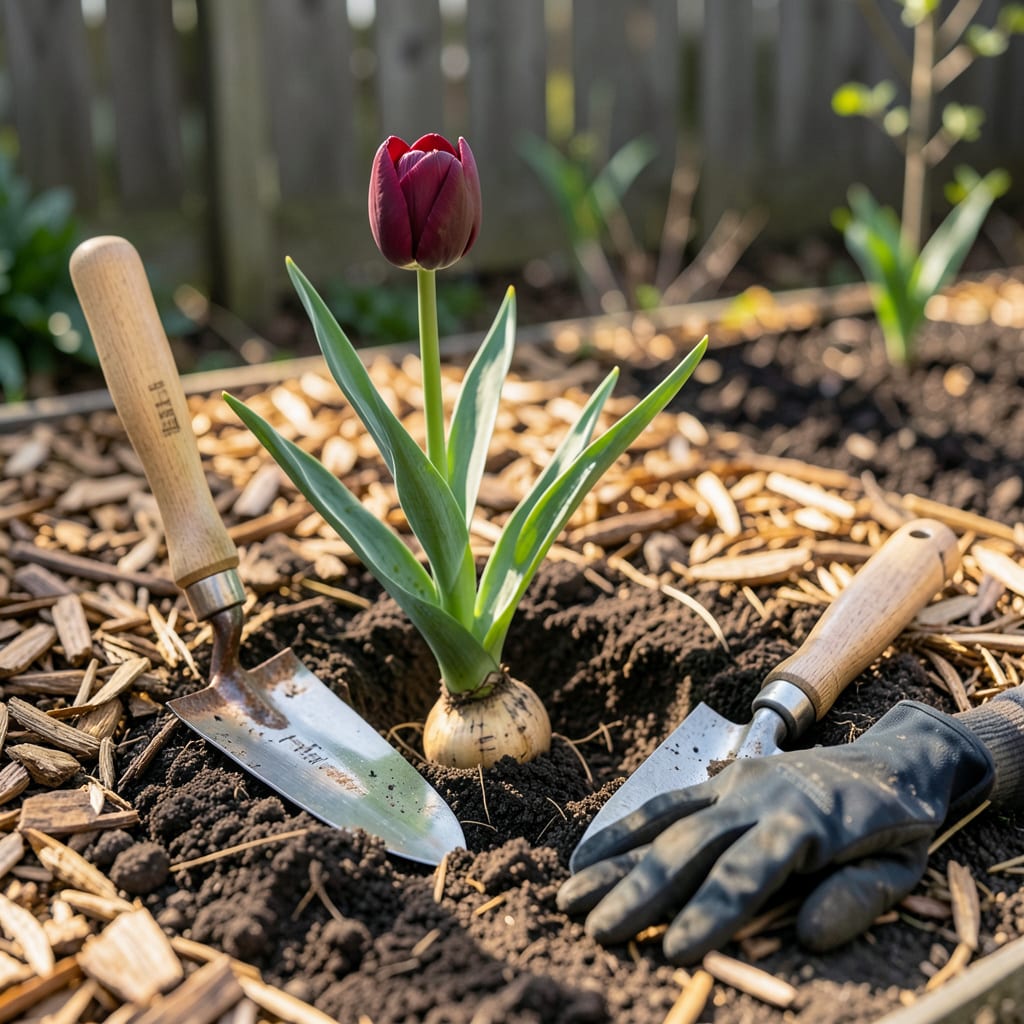
Imagine planting your tulip bulbs with excitement, only to find sparse blooms—or worse, none at all—come spring. That heartbreak happens when timing is off, and in Pennsylvania, fall’s narrow window makes all the difference.
I’ve seen gardeners in PA struggle with this exact issue, but the fix is simpler than you think. Whether you’re in the Pocono Mountains or Philadelphia’s suburbs, I’ll show you how to nail the timing for vibrant spring tulips—without guesswork or wasted effort.
If you’ve ever wondered why your neighbor’s tulips burst into color while yours stay stubbornly underground, the answer often lies in when those bulbs hit the soil. Pennsylvania’s diverse climate—from the chilly Pocono Mountains to Philadelphia’s milder zones—means planting timing isn’t one-size-fits-all.
Here’s the golden rule: Tulip bulbs need 6–8 weeks of cool soil (below 60°F) to establish roots before winter. Plant too early in warm soil, and they’ll sprout prematurely. Plant too late, and roots won’t develop in time. Let’s break it down by region so you get it right.
| Region | USDA Zone | Ideal Planting Window | Soil Temp Threshold |
|---|---|---|---|
| Pocono Mountains | 5a–6a | Late September–Mid-October | Below 55°F |
| Central PA (Harrisburg, Lancaster) | 6b–7a | Early–Late October | Below 60°F |
| Philadelphia & SE PA | 7a–7b | Mid-October–Early November | Below 60°F |
Pro Tip: Use a soil thermometer to check temps at 6″ depth—where bulbs root!
In northern PA (Zones 5a–6a), I recommend erring on the earlier side—late September to early October. The first hard frost here can hit by mid-October, so bulbs need those extra weeks. A 2–3 inch mulch layer (straw or shredded leaves) after planting insulates soil and prevents frost heave.
For central PA gardeners (think Harrisburg or State College), aim for October 1–20. This zone’s moderate winters give you a bit more flexibility, but don’t push it past late October. If you’re planting Darwin Hybrid tulips (a PA favorite for deer resistance), they’ll thank you for the extra rooting time.
Down in southeastern PA (Philly, Chester County), you’ve got until early November—but watch the forecast. Urban heat islands can keep soil warmer longer. I’ve seen gardeners here plant ‘Ice Cream’ tulips (a late-blooming variety) as late as November 10 with success, but October 15–30 is safest.
Still unsure? Here’s my foolproof trick: Plant when nighttime temps consistently dip below 50°F. That’s nature’s signal that soil is cooling. And if you’re layering bulbs (like tulips over daffodils for extended blooms), plant the deepest layer first—they need the most time to establish.
Remember, tulips are perennial in PA if given proper care, but even the best-timed planting won’t save bulbs from poor drainage or deer snacks. Amend heavy clay soil with compost or sand, and consider chicken wire cages if Bambi’s a regular visitor.
If you miss the window, don’t panic. You can still plant bulbs in late November or early December—just add a thick mulch blanket (4–6 inches) and hope for a mild winter. But for guaranteed spring color, stick to the regional timestamps above.
Next up, I’ll show you what happens when timing goes wrong—and how to fix it. Spoiler: Moldy bulbs and blind stems are avoidable with a little know-how! 🌱
Planting tulip bulbs in Pennsylvania isn’t just about picking a date—it’s about giving roots enough time to establish before winter. Get it wrong, and you might face weak stems, no blooms, or even rotted bulbs. Let’s break down the risks so you can avoid these pitfalls.
If you plant too early (say, late August or early September), warm soil tricks bulbs into sprouting prematurely. Those tender green shoots are no match for PA’s first frost, which can hit as early as mid-October in northern zones. I’ve seen gardeners lose entire beds this way—don’t let it happen to you!
Fix it: Mulch heavily (4–6″) if timing’s off!
Plant too late, and bulbs won’t root properly before the ground freezes. Come spring, you’ll likely see “blind stems”—tulips that grow leaves but zero flowers. This happened to my neighbor last year; she planted in late November during a warm spell, and her bulbs never bloomed.
Here’s how to salvage mistimed bulbs: If you planted early and see sprouts, cover them with 6 inches of straw mulch to insulate against frost. For late plantings, water deeply after planting and add a thick leaf mulch to retain warmth. I’ve saved bulbs this way even in Zone 5a!
Watch for moldy bulbs if planted in warm, wet soil—this is a sign of fungal rot. Dig them up, let them dry, and replant in fresh, well-draining soil. If bulbs feel soft or smell foul, toss them; they’re beyond saving. Healthy bulbs should feel firm like an onion.
In PA’s urban areas (like Philly), heat islands can keep soil warm longer, fooling you into planting too late. Use a soil thermometer—if temps at 6” depth are above 60°F, hold off. Rural gardeners, watch for early frosts; a sudden cold snap can ruin early-planted bulbs overnight.
Remember, tulips are forgiving but not indestructible. Even with perfect timing, poor drainage or deer pressure can wreck your efforts. Next, I’ll share my top tips to bulletproof your PA tulip planting—from soil prep to critter control! 🌷
Pennsylvania’s clay-heavy soil and deer pressure can turn tulip planting into a challenge—but I’ve got five battle-tested tips to help your bulbs thrive. These aren’t just generic suggestions; they’re PA-specific strategies I’ve used in my own garden for years.
First, amend your soil before planting. Most of PA has dense clay, which holds too much moisture and suffocates bulbs. Mix in compost or coarse sand to improve drainage. I add a 2-inch layer of compost and till it to 12 inches deep—this gives roots room to grow.
Bonus: Soak bulbs in 0.1% bleach solution for 10 mins to kill fungi before planting! 💧
For deer and squirrel control, skip the sprays—they wash away. Instead, lay hardware cloth over the bed after planting, then cover with mulch. I’ve saved hundreds of bulbs this way in Zone 6a. If critters are relentless, try ‘Deer Out’ repellent granules—they last longer than sprays.
Here’s a PA soil prep trick: Test drainage by digging a 12” hole, filling it with water, and timing how long it takes to drain. If water sits for over 1 hour, your soil needs more amendments. I add perlite or pine bark fines to heavy clay—it’s a game-changer for bulb health.
Don’t forget companion planting! Pair tulips with alliums or grape hyacinths—their strong scents deter pests. In my garden, I interplant tulips with ‘Purple Sensation’ alliums for a deer-resistant, long-blooming display. Plus, alliums mark where bulbs are planted, so you won’t accidentally dig them up!
Finally, water deeply after planting—this settles soil and eliminates air pockets. Then, hold off on watering until spring unless we have a dry fall. Overwatering in cool weather leads to rot. I check soil moisture at 3” depth; if it’s dry, I water. If it’s damp, I wait. Simple as that! 🌱
Tulip bulbs thrive when soil temps drop below 60°F at 6″ depth. In PA, this typically happens in October, but use a soil thermometer for precision. Planting in warmer soil risks premature sprouting and frost damage.
Yes, but act fast! In SE PA (Zone 7), early November works with 4–6″ mulch. In colder zones, plant by November 1 and add extra insulation. Late bulbs may bloom poorly, so prioritize next year’s timing.
Layer chicken wire over beds, then cover with mulch. Plant daffodils nearby—their toxins deter pests. For heavy pressure, try ‘Deer Out’ granules or interplant with alliums. I’ve saved bulbs this way in Zone 6a!
Planting in clay-heavy soil without amending it. PA’s dense clay suffocates bulbs. Mix in 2″ compost + sand to 12″ depth before planting. Skipping this step leads to rot and weak blooms.
Water deeply once to settle soil, then stop unless fall is bone-dry. Overwatering in cool weather causes rot. Check moisture at 3″ depth—if damp, wait. PA’s fall rains usually handle the rest.
