
Beautiful Plants For Your Interior
Beautiful Plants For Your Interior
Oregon’s unpredictable falls can turn tulip planting into a guessing game—plant too soon, and bulbs may sprout prematurely; wait too long, and frost could ruin your spring display. But here’s the good news: nailing the timing isn’t about luck.
I’ve dug into the data (and the dirt) to pinpoint the perfect window for Oregon’s diverse zones—from the misty coast to the High Desert. Whether you’re in Portland or Bend, you’ll learn exactly when to get those 🌷 tulip bulbs in the ground for blooms that steal the show next season.
If you want those iconic spring tulip blooms in Oregon, fall is your golden window. The key is getting bulbs in the ground 6-8 weeks before the first hard frost, when soil temps dip below 55°F. This gives roots time to establish without sprouting prematurely.
Oregon’s diverse climate means timing varies dramatically. Coastal gardeners in Zones 8-9 (like Portland) can plant later, while high desert areas (Bend) need earlier action. I’ll break down the perfect schedule for your region—because a well-timed tulip bulb means spectacular spring color. 🌷
| Region | USDA Zone | Planting Window | First Frost Date |
|---|---|---|---|
| Coastal (Astoria, Newport) | 8-9 | Late Oct – Mid Nov | Dec 1-15 |
| Willamette Valley (Portland, Salem) | 8a-8b | Mid Oct – Early Nov | Nov 15-30 |
| High Desert (Bend, Redmond) | 6b-7a | Late Sept – Mid Oct | Oct 1-15 |
| Eastern (Pendleton, La Grande) | 6a-7b | Early Sept – Oct 1 | Sept 20-Oct 10 |
*Soil temp should be below 55°F at planting. Use a soil thermometer for accuracy.
In the Willamette Valley, I’ve found mid-October is the sweet spot—cool enough to prevent early sprouting but warm enough for root growth. If you’re in Portland’s urban heat islands, you might push to early November. Always check your microclimate—sunny south slopes warm faster!
For Eastern Oregon gardeners, that September planting might feel early, but it’s critical. The high desert’s cold snaps arrive suddenly, and bulbs need 4-6 weeks to root before freeze. I recommend adding 2-3 inches of mulch after planting to insulate against temperature swings.
Coastal gardeners get a later pass thanks to milder winters, but don’t wait too long. Waterlogged soil is your enemy—if November rains arrive before planting, you risk bulb rot. I suggest planting in raised beds or well-draining mounds if your soil is heavy clay.
Here’s my pro tip: Buy bulbs early (September) and store them in a cool, dark place (like a basement) until your region’s ideal window. This prevents premature sprouting. And always choose firm, plump bulbs—avoid any with soft spots or mold.
Remember, tulips need winter chill to bloom. If you’re in Zone 9 (like Brookings), you might need to pre-chill bulbs for 6-8 weeks in the fridge before planting. Skip this step, and you’ll get foliage but no flowers—a heartbreaking result after months of waiting!
I’ve seen gardeners make the mistake of planting when daytime temps are still warm. Don’t be fooled by a sunny October afternoon—soil temperature is what matters. Grab a $10 soil thermometer from your local nursery; it’s the best investment for perfect timing.
Finally, if you miss your window, don’t panic. You can plant tulips as late as December in mild winters, but you’ll need to mulch heavily (4-6 inches of straw) and hope for a mild freeze. Just know that late-planted bulbs often bloom smaller or later than ideal. 🌱
Now that you know when to plant in your Oregon region, let’s talk about how to plant for maximum success. The secret to stunning tulips starts with proper soil prep—this isn’t just about digging a hole and dropping in a bulb. I’ll walk you through my foolproof method.
First, choose a sunny location that gets at least 6 hours of direct sunlight daily. Tulips thrive in well-draining soil—if your Oregon garden has heavy clay (common in the Willamette Valley), you’ll need to amend it. I recommend mixing in 2-3 inches of compost or aged manure to improve drainage and fertility. 🌱
*For container planting: Use pots at least 12″ deep with drainage holes, and elevate off ground to prevent waterlogging.
Here’s my Oregon-specific tip: If you’re planting in the Willamette Valley’s wet falls, create raised mounds (6-8 inches high) to prevent bulbs from sitting in water. I’ve saved countless tulips from rot using this simple trick during our infamous November downpours.
For High Desert gardeners, your biggest challenge is dry soil. After planting, water deeply, then cover with 4 inches of mulch to retain moisture. Check soil weekly—if the top 2 inches feel dry, water lightly. Remember, tulips need moisture to root, but soggy soil kills them. ✂️
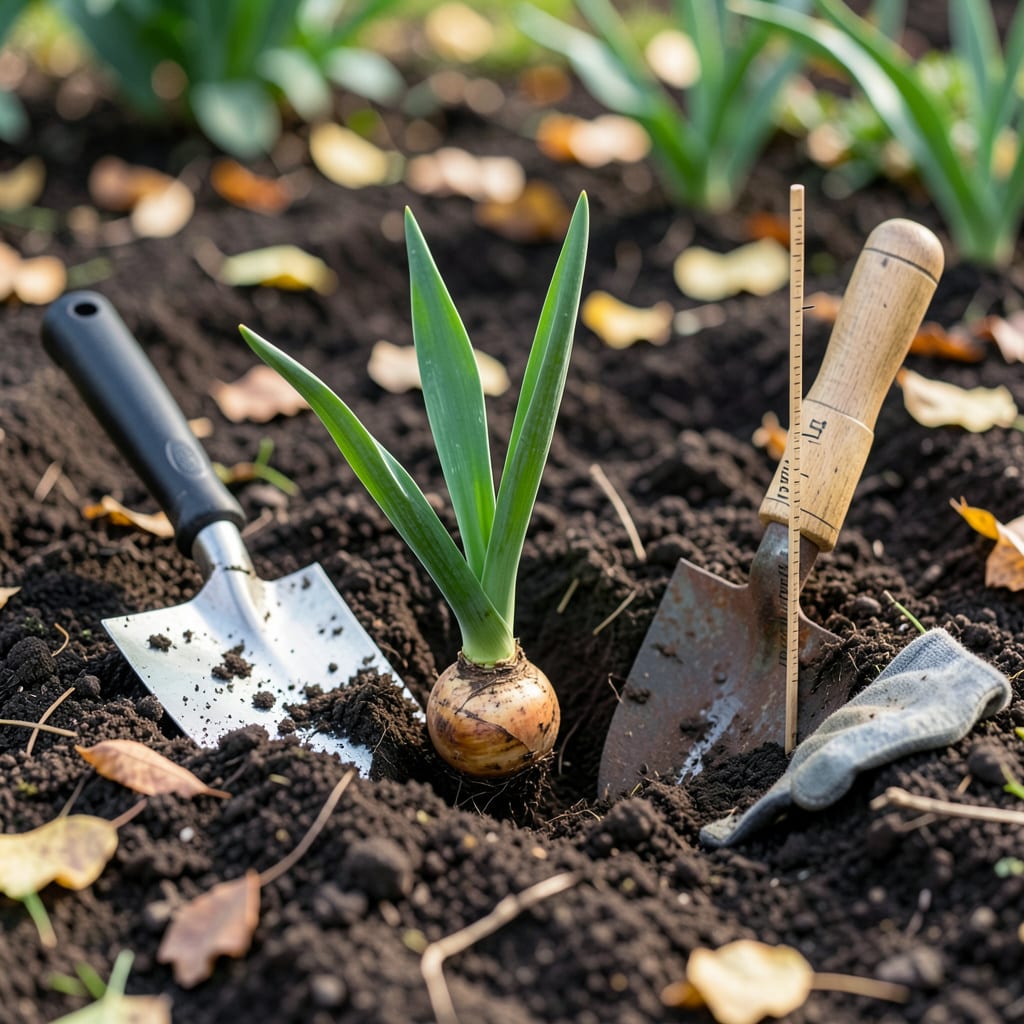
Many Oregon gardeners make the mistake of planting too shallow. If bulbs aren’t deep enough, they’re vulnerable to temperature swings and may not bloom. I use this rule: Plant 3x deeper than the bulb’s height. For standard 2-inch tulip bulbs, that means 6 inches deep—measure from the bulb’s base to the soil surface.
After planting, resist the urge to water daily. Tulips only need 1 inch of water weekly until the ground freezes. Overwatering in fall is a common mistake that leads to bulb rot. Instead, focus on even moisture—let the top inch of soil dry between waterings.
Finally, mark your planting spots! I use biodegradable plant markers or draw a quick map. Come spring, you’ll forget where those bulbs are hiding—and accidentally dig them up while planting annuals. Trust me, I’ve learned this the hard way more than once! 🌿
You’ve got your tulip bulbs planted at the right time—now let’s make those spring blooms truly spectacular. After years of testing in Oregon gardens, I’ve discovered these game-changing tips that transform good tulips into showstoppers. It’s not just about timing; it’s about giving your bulbs the right care.
First, let’s talk about bulb chilling—critical for warmer Oregon zones. If you’re in Zone 8-9 (Portland, coast), your bulbs might not get enough natural chill. I recommend pre-chilling for 6-8 weeks in the fridge (in a paper bag, away from fruit). This mimics winter and ensures vibrant blooms. 🌷
For Willamette Valley gardeners, our wet springs can be tough on tulips. I combat this by planting in raised beds with added perlite for drainage. If your soil stays soggy, try ‘Greigii’ or ‘Fosteriana’ tulip varieties—they tolerate wet better than most.
Here’s my favorite Oregon trick: Layer bulbs for extended color. Plant late-blooming tulips (like ‘Queen of Night’) 8 inches deep, then add early daffodils 4 inches above. This creates a 6-week spring show with minimal space. In containers, use the same technique with gravel between layers for drainage. ✂️
Don’t forget about companion planting. Tulips pair beautifully with Oregon natives like blue camas or western bleeding heart. For a pollinator-friendly display, interplant with early crocuses—they’ll attract bees that later pollinate your fruit trees. I love this combo in my Portland garden.
Finally, if you want bigger blooms, try this: When shoots appear in spring, fertilize with 0-10-10 fertilizer (no nitrogen!). The phosphorus boosts flower production. In Eastern Oregon’s alkaline soil, add sulfur to lower pH slightly—tulips prefer 6.0-7.0 pH. A simple soil test kit from your local nursery takes the guesswork out. 🌱
Planting too early can cause premature sprouting before winter. When soil temperatures stay above 60°F, bulbs may send up shoots that get damaged by frost. This weakens the plant and often results in smaller or no blooms come spring.
Use containers at least 12 inches deep with drainage holes. Fill with well-draining potting mix and plant bulbs 6 inches deep. Store containers in a cool garage (35-45°F) for 12-16 weeks before moving outside in early spring.
Raised beds improve drainage—critical in Oregon’s wet falls and winters. Heavy clay soil (common in the Willamette Valley) can cause bulbs to rot. Elevated beds also warm faster in spring, giving tulips a head start. Aim for 6-8 inches of well-amended soil above ground level.
Try these Oregon-tested methods: Plant bulbs 8 inches deep (harder to dig up), cover planting areas with chicken wire until spring, or interplant with daffodil bulbs (squirrels dislike their toxicity). A light dusting of cayenne pepper in the hole also works!
Water once deeply after planting to settle soil and trigger root growth. Then stop—fall rains typically provide enough moisture. Overwatering is risky, especially in coastal areas. Only water again if you have 2+ weeks without rain and soil feels dry 2 inches down.
