
Beautiful Plants For Your Interior
Beautiful Plants For Your Interior
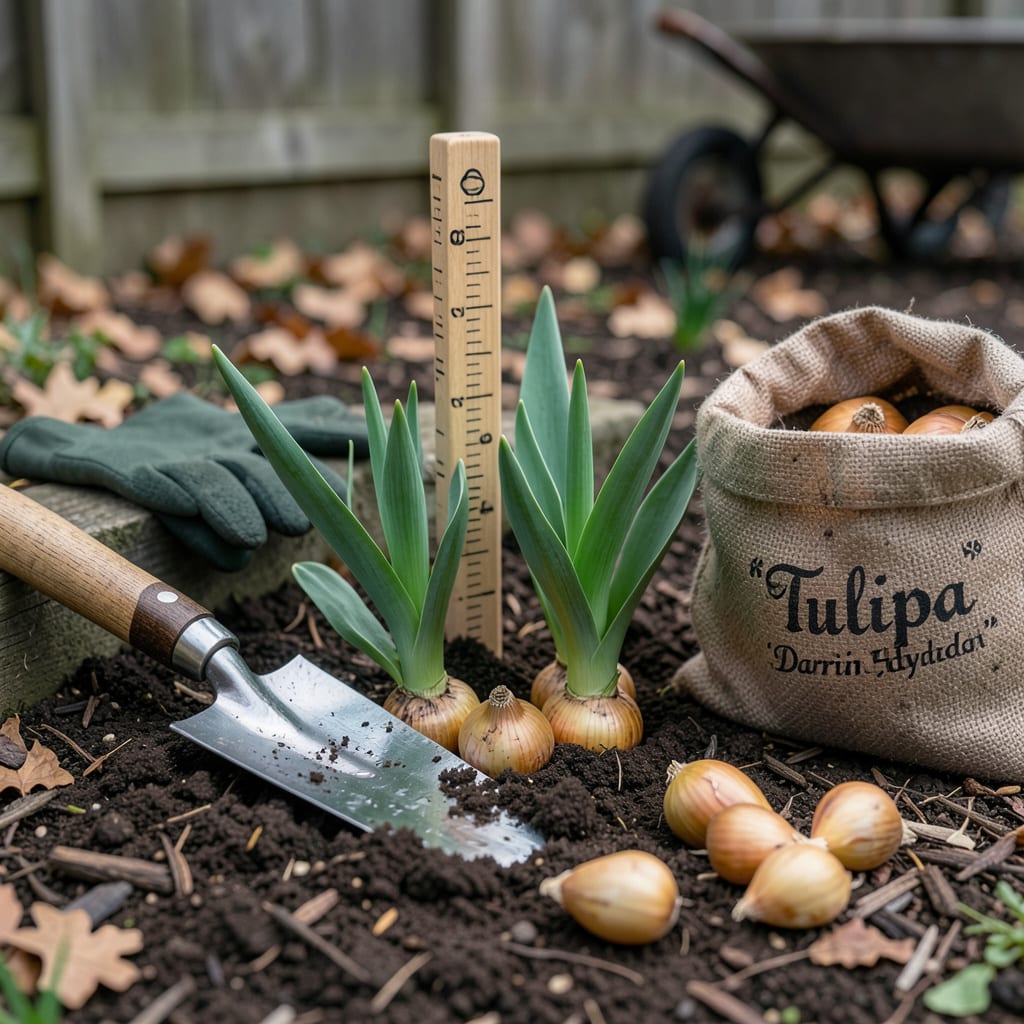
Picture this: next spring, your Ohio garden explodes with vibrant 🌷 tulips—but only if you nail the timing this fall. Plant too soon, and unexpected warmth tricks bulbs into sprouting early. Wait too long, and frozen soil stops roots from establishing.
I’ve helped dozens of Ohio gardeners avoid these mistakes, and the sweet spot is simpler than you think. In this guide, I’ll break down the exact fall window for Zone 6a, plus soil prep tricks to guarantee those show-stopping blooms. Let’s dig in—literally.
If you’ve ever dreamed of a spring garden bursting with tulip blooms, timing your fall planting is non-negotiable. In Ohio, the sweet spot is mid-October to early November, but that window shifts slightly depending on where you live. Soil temperature—not air temp—is the real game-changer here.
Why? Tulip bulbs need 6–8 weeks to establish roots before the ground freezes. Plant too early in warm soil, and you risk premature sprouting. Wait too long, and roots won’t develop in time. Ohio’s USDA Zones 5–6 mean most gardeners should aim for soil temps below 60°F—but let’s break it down by region.
Pro Tip: Use a soil thermometer to check temps at 6″ depth—where bulbs root! 🌡️
In Northern Ohio (think Cleveland or Toledo), aim for early October. The cooler microclimates near Lake Erie mean soil chills faster. I’ve seen gardeners here plant as late as October 15 with great success—just add 2–3 inches of mulch for insulation.
Central Ohioans (Columbus, Dayton) get a slightly longer window. If you’re planting Darwin Hybrid tulips—which need extra root time—shoot for October 10–20. For fosteriana or greigii types, you can push to October 25 since they’re more cold-hardy.
Down in Southern Ohio (Cincinnati, Athens), you’ve got until early November thanks to warmer soils. But don’t wait too long! I once planted ‘Red Emperor’ tulips on November 5 in Zone 6b, and they still bloomed—though the stems were shorter.
Here’s my foolproof trick: Plant when nighttime temps consistently hit 40–50°F. That’s when soil cools enough for roots to grow but not so cold that bulbs go dormant. And always plant 6–8 weeks before your area’s first hard frost (below 28°F).
If you’re unsure, grab a $10 soil thermometer from your local garden center. Stick it 6 inches deep at planting time—if it reads below 60°F, you’re golden. Still too warm? Wait a week and check again. Trust me, this small step saves heartache come spring! 🌱
For container-grown tulips, you can plant a bit later—even into December—since pots cool faster. Just tuck them in a garage or shed for 12–14 weeks of chilling (simulate winter!). Then bring them out in late February for forced blooms.
Remember: Tulips need that cold period to trigger spring blooming. Skipping it? You’ll get foliage but no flowers. So whether you’re in Toledo or Cincinnati, respect the chill—your tulips will thank you with a spectacular show next April! 🌷
Even with perfect timing, tulip bulbs can fail if you overlook key details. After helping Ohio gardeners troubleshoot lackluster blooms for years, I’ve pinpointed the five most common mistakes—and how to fix them before they ruin your spring display.
First up: planting depth. Too shallow, and bulbs freeze or heave out of soil. Too deep, and they exhaust themselves sprouting. The golden rule is 6–8 inches deep—measure from the bulb’s base, not the tip! 🌱
Quick Fix: If you’ve already planted, mulch with 2–3 inches of straw to regulate soil temp and deter diggers! 🪴
Another biggie? Poor drainage. Tulips drown in soggy soil, leading to fungal diseases like tulip fire (yes, it’s as nasty as it sounds). If your garden stays wet, plant bulbs in raised beds or on a slight slope. I’ve seen entire tulip displays wiped out by standing water after heavy rains.
Here’s a trick for heavy clay soil: Dig your hole, add a 1-inch layer of coarse sand at the bottom, then backfill with a 50/50 mix of native soil and compost. This creates a “drainage pillow” that keeps bulbs happy. Avoid peat moss—it compacts and holds too much moisture.
Ever planted tulips only to watch them flop over in spring? That’s often from shallow roots caused by late planting or compacted soil. After planting, water deeply to settle soil, then add 2 inches of mulch (shredded leaves or straw). This insulates bulbs and prevents frost heave, where freeze-thaw cycles push bulbs upward.
Finally, don’t overlook variety selection. Some tulips thrive in Ohio; others sulk. For reliable blooms, choose Darwin Hybrids (‘Apeldoorn’), Fosteriana (‘Red Emperor’), or Species tulips (‘Tarda’). These naturalize well and resist Ohio’s temperature swings. Skip finicky parrot tulips unless you’re ready for extra babying.
If you’ve made these mistakes before, don’t stress! Tulips are forgiving. Next fall, grab a notebook, jot down these tips, and mark your calendar for October planting. Your future self—and your vibrant spring garden—will thank you! 🌷
Planting tulip bulbs at the wrong time in Ohio doesn’t just affect blooms—it can mean no flowers at all. I’ve seen gardeners heartbroken in spring when their tulips either sprout too soon or fail to emerge. Let’s break down what goes wrong and how to fix it.
Plant too early (before soil cools below 60°F), and bulbs may germinate prematurely. Warm soil tricks them into thinking it’s spring, sending up weak shoots that winter kills. I once planted ‘Pink Diamond’ tulips in late September—big mistake. They sprouted in November, then froze solid. 🌱
Recovery Tip: If planted early, mulch heavily (4–6″) to suppress growth. If late, water deeply and hope for mild winter! ❄️
Plant too late (after soil dips below 40°F), and bulbs won’t root properly. They’ll sit dormant until spring, producing weak, floppy stems—or worse, no flowers. A gardener in Columbus once planted in December. Her tulips leafed out but never bloomed. The bulbs had no time to store energy.
Here’s how to salvage mistimed plantings: For early-planted bulbs, add extra mulch (straw or leaves) to insulate and delay growth. For late-planted bulbs, water well, then cover with 6 inches of mulch to trap soil warmth. In containers? Move pots to a protected garage for 12–14 weeks of chilling.
If you’ve already missed the window, try forcing bulbs indoors. Plant in pots by December 1, chill in a 35–45°F space (like a fridge) for 12–16 weeks, then bring into warmth. You’ll get blooms by March—just in time to brighten those gray Ohio days! 🌷
Remember: Tulips are forgiving but not magic. If you’ve planted outside the ideal window, don’t panic—just adjust care and learn for next year. And if all else fails? Daffodils are even more cold-hardy and deer-resistant. Maybe mix a few into your order! 🌿
Spring-planted tulips often fail to bloom because they miss the critical cold period needed to trigger flowering. Bulbs planted in spring may grow leaves but produce weak or no flowers. For best results, stick to fall planting in Ohio.
In Ohio’s heavy clay, plant bulbs 6–8 inches deep—but add a 1-inch layer of sand at the hole’s bottom for drainage. Mix the backfill soil with compost to prevent waterlogging. This extra step keeps bulbs from rotting in wet conditions.
Many tulips (especially hybrids) weaken after year one and produce smaller blooms. For reliable returns, choose species tulips like ‘Tarda’ or ‘Clusiana’. Lift bulbs after foliage dies back, store in a dry place, and replant in fall for better results.
Use 2–3 inches of straw or shredded leaves to insulate bulbs and regulate soil temperature. Avoid heavy mulches like wood chips, which can smother emerging shoots. Mulch also deters squirrels—just remove it gradually in early spring.
