
Beautiful Plants For Your Interior
Beautiful Plants For Your Interior
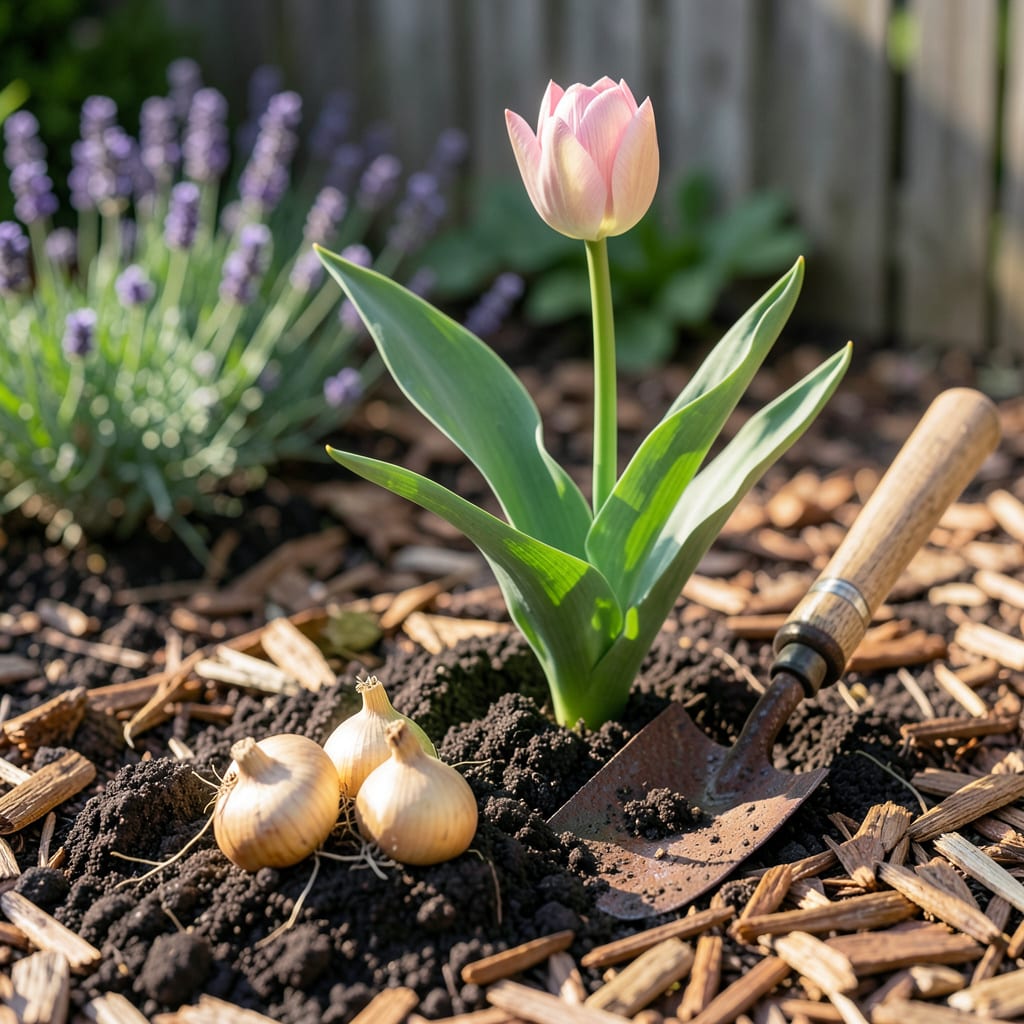
Imagine planting your tulip bulbs only to watch them struggle—or worse—never bloom. In Northern California, timing is everything, and even a few weeks can make the difference between a spectacular spring display and a disappointing flop.
I’ve seen gardeners make this mistake year after year, but here’s the good news: with the right fall schedule, you can set your 🌷 Tulips up for success. Let’s break down exactly when to get those bulbs in the ground—and why it matters more than you think.
If you want vibrant tulip blooms next spring, timing your planting is critical in Northern California. Unlike colder regions, our Mediterranean climate means we plant bulbs later—typically from October through December. This ensures bulbs get the chilling period they need without sprouting too early.
The key is soil temperature—aim for below 60°F to trigger root growth. Coastal areas like San Francisco can plant closer to December, while inland zones (e.g., Sacramento) should target October-November to avoid winter waterlogging. Let’s break it down by microclimate.
| Microclimate | USDA Zone | Ideal Planting Months | Notes |
|---|---|---|---|
| Coastal (SF, Marin) | 9b-10a | November–December | Milder winters; plant later to avoid early sprouting. |
| Inland Valleys (Sacramento) | 9a | October–November | Hotter summers; plant early for root establishment. |
| Foothills (Napa, Sonoma) | 8b-9a | October–early December | Cooler nights; mulch heavily for frost protection. |
🌷 Adjust timing based on your exact location—cooler areas can push planting into early December.
For pre-chilled bulbs (common in NorCal), you can plant as late as January—they’ve already received their required 12-16 weeks of cold. Without pre-chilling, bulbs may produce weak stems or fail to bloom. Always check the label!
Soil prep matters too. Tulips hate soggy roots, so amend heavy clay with compost or sand. In sandy areas, mix in organic matter to retain moisture. A well-draining site with full sun (6+ hours) ensures the best spring display.
If you’re in a foggy coastal zone, like Half Moon Bay, prioritize fungus-resistant varieties (e.g., ‘Darwin Hybrid’ tulips). Inland gardeners should watch for gophers—line planting holes with hardware cloth to protect bulbs.
Pro tip: Use a soil thermometer to confirm temps are below 60°F at 6-inch depth (where bulbs sit). If your soil stays warm, delay planting or pre-chill bulbs in the fridge for 6-8 weeks before planting.
After planting, water deeply once to settle soil, then hold off until sprouts appear in late winter. Overwatering now can rot bulbs. Mulch with 2-3 inches of straw to insulate against temperature swings.
Remember, Northern California’s winters are unpredictable—some years bring early rains, others late heatwaves. If December arrives and your bulbs aren’t in the ground, don’t panic! Plant them anyway, but add extra mulch for protection.
By following these zone-specific guidelines, you’ll set your tulips up for a show-stopping spring. Next, we’ll dive into the step-by-step planting process to ensure your bulbs thrive in our unique climate. 🌱
Now that you know when to plant, let’s talk about how to plant your tulip bulbs for maximum success in Northern California’s unique climate. The right technique ensures strong roots and stunning spring blooms. Here’s my foolproof method.
Start by selecting a sunny spot with well-draining soil. Tulips need at least 6 hours of sunlight daily to thrive. If your soil is heavy clay, mix in compost or sand to improve drainage. In sandy areas, add organic matter to help retain moisture.
Loosen soil to 12 inches deep and mix in 2-3 inches of compost. Remove rocks or debris that could obstruct root growth.
Create holes 6-8 inches deep (or 3x the bulb’s height). Space holes 4-6 inches apart for a full, lush display.
Place bulbs pointy-end up. If unsure, plant them sideways—they’ll find their way! Press soil gently to remove air pockets.
Water deeply once after planting. Add 2-3 inches of mulch (straw or shredded leaves) to protect from temperature swings.
For gopher-prone areas, line planting holes with hardware cloth or use wire baskets. This extra step saves heartache later when critters dig up your bulbs. In foggy coastal zones, consider planting disease-resistant varieties like ‘Darwin Hybrid’ tulips.
After planting, resist the urge to water frequently. Tulips need moisture to establish roots, but overwatering causes rot. Wait until sprouts appear in late winter, then water weekly if rain is scarce. Use a soil thermometer to monitor conditions—ideal root growth happens below 60°F.
If you’re planting pre-chilled bulbs, follow the same steps but adjust timing to January. These bulbs have already received their cold treatment, so they’re ready to grow. For non-chilled bulbs, refrigerate them for 6-8 weeks before planting to mimic winter conditions.
Finally, mark your planting spots with garden stakes or labels. This helps you avoid accidentally digging up bulbs later. With these steps, you’ll enjoy a vibrant tulip display that’s the envy of the neighborhood. Next, we’ll cover common mistakes to avoid for foolproof results. ✂️
Even experienced gardeners can make mistakes with tulips, especially in Northern California’s unique climate. Avoid these pitfalls to ensure your bulbs thrive and deliver gorgeous spring blooms. Trust me, I’ve seen these errors derail many a tulip display!
First up: planting too shallow. Tulip bulbs need to be buried 6-8 inches deep—any shallower, and they risk drying out or getting dug up by critters. In our dry Mediterranean climate, deeper planting also helps bulbs stay cool during unexpected winter warm spells.
Non-pre-chilled bulbs need 12-16 weeks below 40°F. Without it, they’ll produce weak stems or no blooms. Refrigerate bulbs for 6-8 weeks before planting if needed.
Tulips need moisture to root, but soggy soil causes rot. Water once deeply after planting, then wait until sprouts appear in late winter to resume watering.
NorCal’s gophers and squirrels love tulip bulbs. Line planting holes with hardware cloth or use wire baskets to keep critters out.
Tulips rot in soggy soil. Amend heavy clay with compost or sand. In sandy areas, add organic matter to retain just enough moisture.
Coastal gardeners (Zones 9b-10a) often wait too long. Aim for November-December planting to avoid bulbs sprouting prematurely during winter warm spells.
Another big mistake? Choosing the wrong varieties. In foggy coastal areas, opt for disease-resistant tulips like ‘Darwin Hybrid’ or ‘Fosteriana’. These handle moisture better than classic varieties. Inland gardeners should pick heat-tolerant types to withstand late-season warm-ups.
Don’t forget about mulching—or using the wrong type. A 2-3 inch layer of straw insulates bulbs from temperature swings, but avoid heavy mulches like wood chips that trap too much moisture. Remove mulch gradually in early spring as shoots emerge to prevent mold.
Finally, resist the urge to cut back foliage too soon. After blooming, let leaves yellow naturally for 6 weeks to feed next year’s bulbs. Premature trimming weakens bulbs, leading to fewer flowers (or none at all) the following year. If the dying leaves bother you, plant tulips behind perennials to hide the foliage.
By avoiding these common mistakes, you’ll give your tulips the best chance to thrive in Northern California’s climate. Next season, you’ll be rewarded with a vibrant, healthy display that’s worth the effort! 🌷
Planting too early (before October) can cause bulbs to sprout prematurely during warm fall days. These early shoots are vulnerable to frost damage or winter rot. Coastal gardeners face this risk more than inland areas due to milder autumns.
Yes, but only if using pre-chilled bulbs (labeled as such). These have already received their required cold period. For non-chilled bulbs, refrigerate them for 6-8 weeks before January planting to ensure proper blooming.
Line planting holes with hardware cloth or use wire baskets specifically designed for bulbs. You can also try planting bulbs in clusters surrounded by gravel—critters dislike the texture. Avoid blood meal, which attracts animals.
Only if planting after December or using non-pre-chilled varieties. Coastal zones (9b-10a) often lack sufficient winter chill. Refrigerate bulbs for 12-16 weeks at 40°F to mimic winter conditions before planting.
Common reasons include insufficient chilling, planting too shallow, or overwatering. Check if bulbs were pre-chilled and planted 6-8 inches deep. Also ensure they received full sun (6+ hours daily) during growth. Poor drainage can also prevent blooming.
