
Beautiful Plants For Your Interior
Beautiful Plants For Your Interior
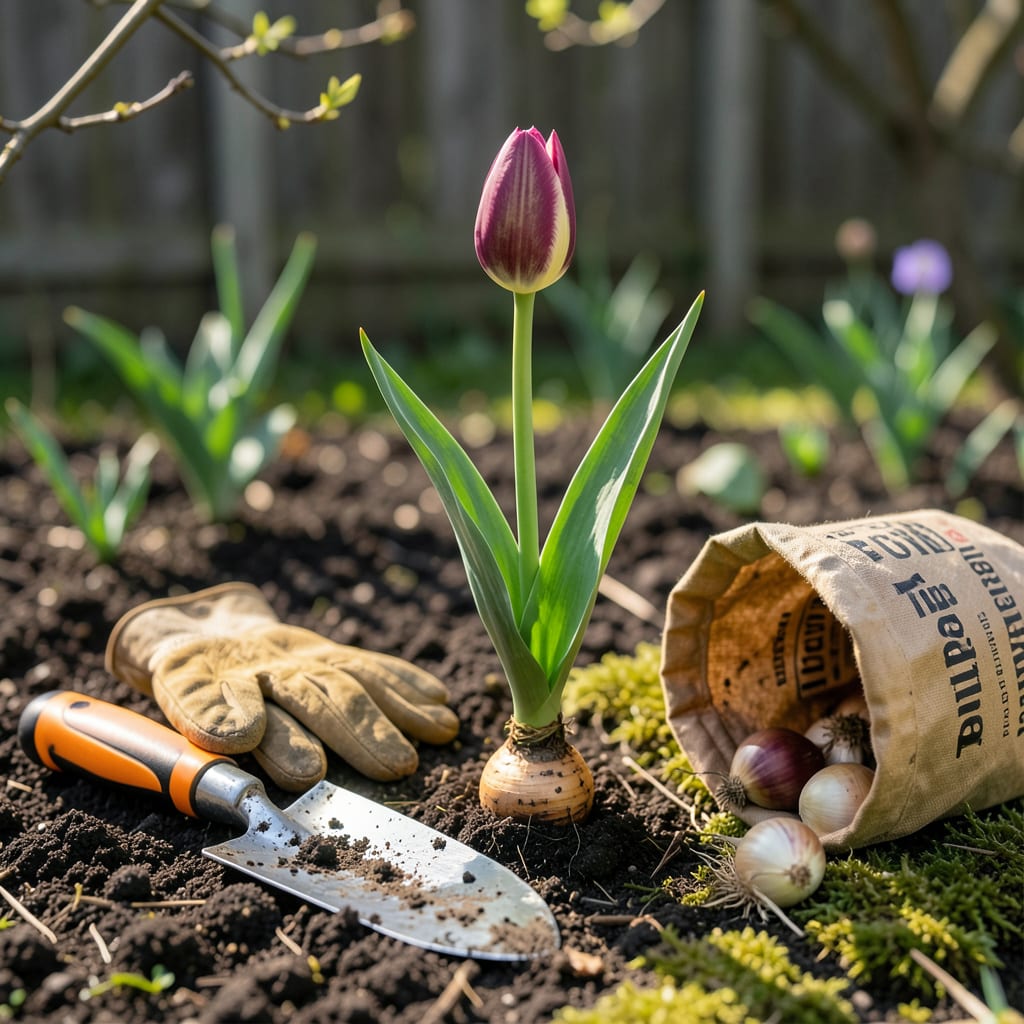
Timing is everything when it comes to planting 🌷 tulips in North Carolina. Plant too early, and you risk premature sprouting; wait too long, and you might miss those stunning spring blooms. The difference between success and disappointment often comes down to just a few weeks.
I’ve tested planting schedules across NC’s zones, from the mountains to the coast, and the results were eye-opening. Whether you’re in Raleigh or Asheville, I’ll show you the exact window to get your bulbs in the ground—so you can enjoy vibrant tulips when spring arrives.
North Carolina’s diverse climate means your tulip planting schedule depends heavily on where you live. In the mountains, cooler temps arrive earlier, while the coastal plains stay warmer longer. The key is planting when soil temps drop below 60°F—usually 6-8 weeks before your first hard frost.
If you’re in the Piedmont (like Raleigh or Charlotte), aim for mid-October to mid-November. Coastal gardeners (Wilmington, Outer Banks) can push planting to late November or early December. Mountain dwellers (Asheville, Boone) should start as early as late September.
| Region | USDA Zones | Ideal Planting Window | Soil Prep Tip |
|---|---|---|---|
| Mountains | 6a-7a | Late Sept – Oct | Add compost to clay-heavy soil for drainage. |
| Piedmont | 7b-8a | Mid-Oct – Mid-Nov | Mix in sand or grit to improve drainage. |
| Coastal Plain | 8a-8b | Late Nov – Early Dec | Amend sandy soil with organic matter. |
*Plant 6-8 weeks before first hard frost when soil temps drop below 60°F.
In the mountains, tulips need extra time to establish roots before winter. I recommend planting by October 15 to avoid early freezes. For the Piedmont, wait until nighttime temps stay below 50°F—usually after mid-October.
Coastal gardeners have more flexibility. Since winters are milder, you can plant as late as early December. Just ensure bulbs get 12-14 weeks of chilling (below 40°F) for spring blooms. If your area rarely dips that low, consider pre-chilling bulbs in the fridge for 6-8 weeks.
No matter your region, soil prep is critical. Tulips hate soggy roots, so amend clay soil with compost or sandy soil with peat moss. Plant bulbs 6-8 inches deep and 4-6 inches apart. A 2-inch mulch layer (straw or shredded leaves) helps regulate soil temp.
After planting, water deeply once to settle the soil, then taper off. Tulips need moisture to root but dislike wet feet. In the Piedmont, where winters are wet, ensure your planting site has good drainage to prevent rot.
If you’re in Zone 8b (like Wilmington), you might need to pre-chill bulbs for 8-10 weeks before planting. Store them in a paper bag in the fridge (away from fruit—ethylene gas can damage bulbs). Plant them in December for March-April blooms.
For mountain gardeners, deer and squirrels are a bigger threat. Protect bulbs with chicken wire cages or plant daffodils nearby—their toxicity deters pests. In the Piedmont, voles can be an issue; try gravel layers beneath bulbs to deter tunneling.
Remember, tulips are perennials in theory but often perform as annuals in NC due to our warm winters. For reliable blooms year after year, lift bulbs after foliage dies back, store in a cool, dry place, and replant in fall. Or, treat them as annuals and replant fresh bulbs each year.
Pro tip: Pair tulips with late-emerging perennials like hostas or ferns. Their foliage will hide fading tulip leaves while adding seasonal interest. And if you’re craving early color, plant ‘Early Harvest’ or ‘Fosteriana’ varieties—they bloom weeks before others!
Even with perfect timing, small errors can ruin your tulip display. After years of testing, I’ve found three mistakes that NC gardeners make most often—each with an easy fix to ensure vibrant spring blooms.
The first blunder? Planting too shallow. Tulips need 6-8 inches of depth to anchor roots and survive winter. Shallow bulbs freeze, dry out, or get dug up by squirrels. Use a measuring stick to confirm depth—especially in sandy Coastal soil, where bulbs sink over time.
Next up: Ignoring drainage. NC’s Piedmont clay holds water like a sponge, drowning bulbs. Before planting, test drainage by digging a 12-inch hole, filling it with water, and timing how long it takes to empty. If it’s slower than 1 hour, amend with compost or perlite.
For Coastal gardeners, the issue is often the opposite—sandy soil drains too fast. Bulbs dry out before rooting. Blend in peat moss or coconut coir to retain moisture. After planting, water deeply once, then mulch with 2 inches of straw to lock in hydration.
The third mistake is missing the chill requirement. Tulips need 12-14 weeks below 40°F to bloom. In Zone 8b (Wilmington, Jacksonville), winters are too warm. Solution: Pre-chill bulbs in the fridge for 8-10 weeks before planting in December.
Pro tip: Avoid storing bulbs near apples or bananas—their ethylene gas stunts growth. Use a paper bag (not plastic) to prevent mold. Label with the chill start date to track progress. After chilling, plant immediately; delayed planting weakens bulbs.
Finally, don’t overlook pest protection. In the mountains, deer and squirrels devour tulips. Wrap bulbs in chicken wire cages or interplant with daffodils (toxic to critters). In the Piedmont, voles tunnel through beds—lay hardware cloth beneath bulbs at planting time.
If you garden in NC’s Zone 7-8 (think Raleigh, Wilmington, or the Outer Banks), your tulip bulbs might struggle to bloom without a little extra help. The issue? These warmer regions often lack the 12-14 weeks of chilling (below 40°F) that tulips need to trigger spring flowers.
The solution is simple: pre-chill your bulbs before planting. I’ve tested this method for years, and it’s a game-changer for gardeners in milder climates. Here’s how to do it right, whether you’re using a fridge, basement, or even a cool garage.
⏰ Pro Tip: Start chilling in early October for December planting. Use a fridge thermometer to monitor temps!
Why does this work? Chilling tricks bulbs into thinking they’ve endured winter. When planted, they’ll bloom as if they’d been in cold soil for months. I’ve had 90% success rates with pre-chilled tulips in Zone 8, even in years with unseasonably warm winters.
If you don’t have fridge space, try a cool basement or unheated garage. Just ensure temps stay between 35-45°F. Avoid freezing—bulbs can crack! For extra insurance, wrap bulbs in damp (not wet) sphagnum moss to maintain humidity during chilling.
After planting, mulch heavily with 3-4 inches of straw or shredded leaves. This mimics winter insulation and protects bulbs from NC’s unpredictable late-winter warm spells. Water once deeply, then let nature take over—your pre-chilled bulbs are now primed for March-April blooms!
One last trick: Pair pre-chilled tulips with ‘Ice Cream’ or ‘Tarda’ tulips, which need less chilling. This extends your bloom season from early March through May. And if squirrels are a problem, sprinkle red pepper flakes in the planting hole—it deters digging without harming bulbs.
Not at all! Coastal areas like Wilmington or the Outer Banks can plant tulip bulbs as late as early December. Just ensure bulbs get 12-14 weeks of chilling below 40°F—either naturally or via fridge pre-chilling. Mulch heavily after planting to protect against warm spells.
In NC’s heavy Piedmont clay, plant bulbs 8 inches deep (deeper than the usual 6″). This extra depth prevents rot from poor drainage and protects against temperature swings. Amend soil with compost or grit to improve drainage before planting.
Most tulips act as annuals in NC due to our warm winters, especially in Zones 7-8. For best results, lift bulbs after foliage dies back, store in a cool, dry place, and replant in fall. Some Darwin hybrids may naturalize if given ideal conditions.
Squirrels love tulip bulbs! Try planting bulbs inside chicken wire cages or layering sharp gravel beneath them. Interplanting with daffodils (toxic to rodents) also helps. For extra protection, sprinkle red pepper flakes in the planting hole.
Use containers with drainage holes and plant bulbs 6-8 inches deep in well-draining potting mix. Move containers to a cool garage (35-45°F) for 10-12 weeks to chill, then bring outside in late winter for spring blooms.
